4 Sticker Materials Compared: Matte Paper, Yupo Synthetic, Clear, and Holographic
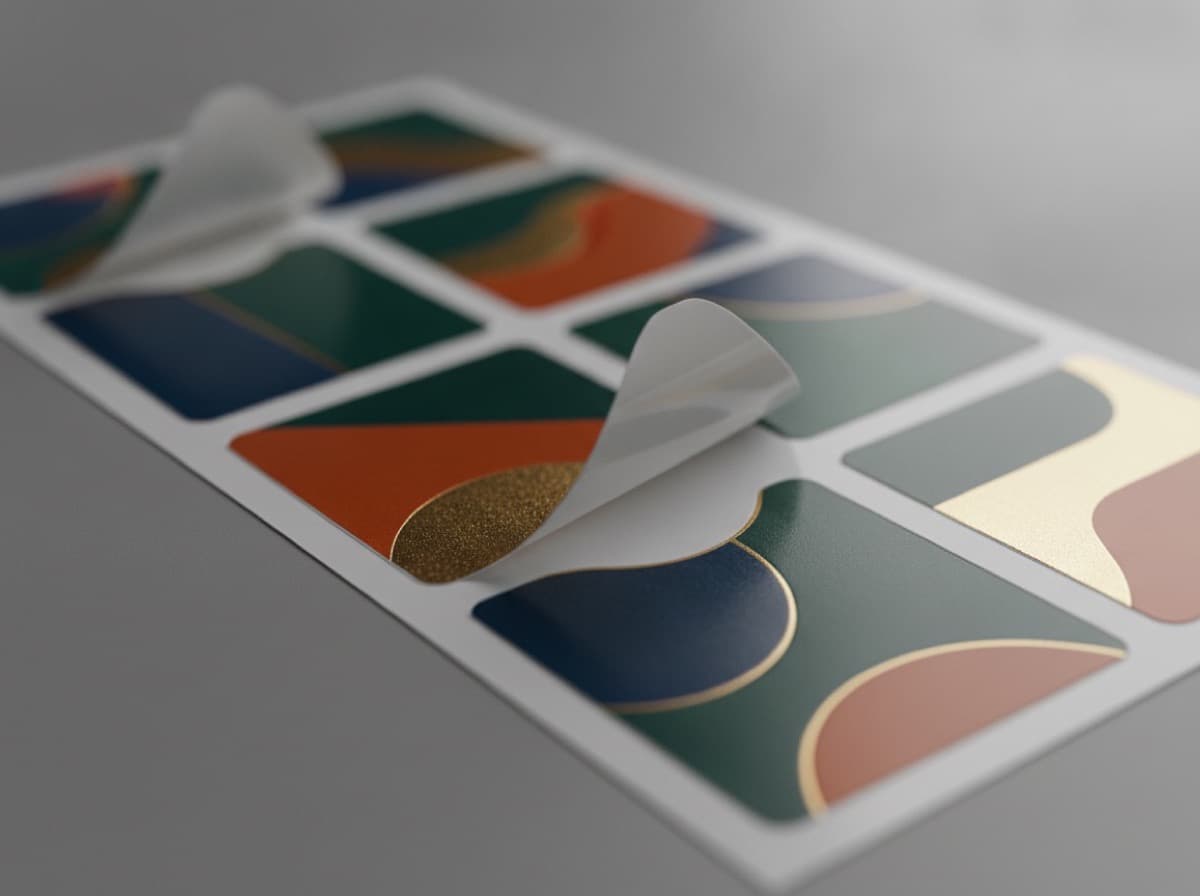
When ordering stickers, the first decision you face is material. Even with the same design, the substrate you print on completely changes the look and feel, durability, price, and final impression. Understanding the differences between the four most common materials lets you avoid wasted spend and get stickers that are perfectly suited to the job.

Matte Paper (Coated Art Paper) Stickers
The most common and economical paper-based option. A white coating layer on the surface delivers vivid ink reproduction, and it has the lowest printing cost per unit. However, because it is paper-based, it is not water-resistant and tears easily. It is best suited for short-term indoor use — box labels, product seals, one-time event stickers, and similar applications.
- Pros: Low unit cost, vibrant color reproduction, fast turnaround
- Cons: Not waterproof, lower durability
- Finishing: Adding a matte or gloss laminate provides a degree of protection
Synthetic (Yupo / Polypropylene) Stickers
A polypropylene-based synthetic paper that combines the printability of paper with the durability of film. It will not tear when wet, and it holds its shape even when hand-cut. Color reproduction is excellent, making it the de facto standard for product labeling.
Why Synthetic Film Holds Up
Because the substrate is made of synthetic resin rather than cellulose fibers, moisture cannot penetrate it. It excels in humid environments — cosmetic containers, food labels, and refrigerated or frozen products are all great fits.
Clear (PET Film) Stickers
Printed on transparent film so the background shows through. Applied to glass or smooth containers, the design appears to float cleanly on the surface. One key caveat: without a separate white ink layer underneath, light colors will look muted or disappear against the transparent background — always confirm whether a white underprint is included when ordering.

Holographic Stickers
A specialty film that shimmers in rainbow hues as the viewing angle changes. Used for authenticity labels, security seals, and premium merchandise. It carries the highest per-unit cost, and because artwork is printed over the holographic pattern, color range is somewhat limited.
Material Comparison at a Glance
| Material | Waterproof | Durability | Cost | Recommended Use | |----------|------------|------------|------|-----------------| | Matte Paper | No | Low | Lowest | Short-term indoor labels | | Synthetic (Yupo) | Yes | High | Mid | General product labels | | Clear PET | Yes | High | Mid-high | Glass & smooth containers | | Holographic | Yes | High | Highest | Security & premium items |
Frequently Asked Questions
What material should I use for outdoor stickers?
Synthetic film (Yupo/PP) or PET with UV coating or lamination is the right choice. Matte paper degrades quickly when exposed to rain and sunlight.
Why doesn't white show up on my clear stickers?
Because the film is transparent, white can only be reproduced by printing a dedicated white ink layer beneath your design. Make sure to select the white underprint option when placing your order.
Which material offers the best value?
For short-term indoor labels, matte paper delivers the best cost-to-performance ratio. For anything exposed to moisture or intended for long-term use, synthetic film is the clear winner in terms of balanced value.
Get 10% off your first order
Join our list for practical printing guides, new finish ideas, and a welcome coupon for your first order.
No spam. Unsubscribe anytime.