How to Structure a Company Profile Brochure That Actually Wins Business
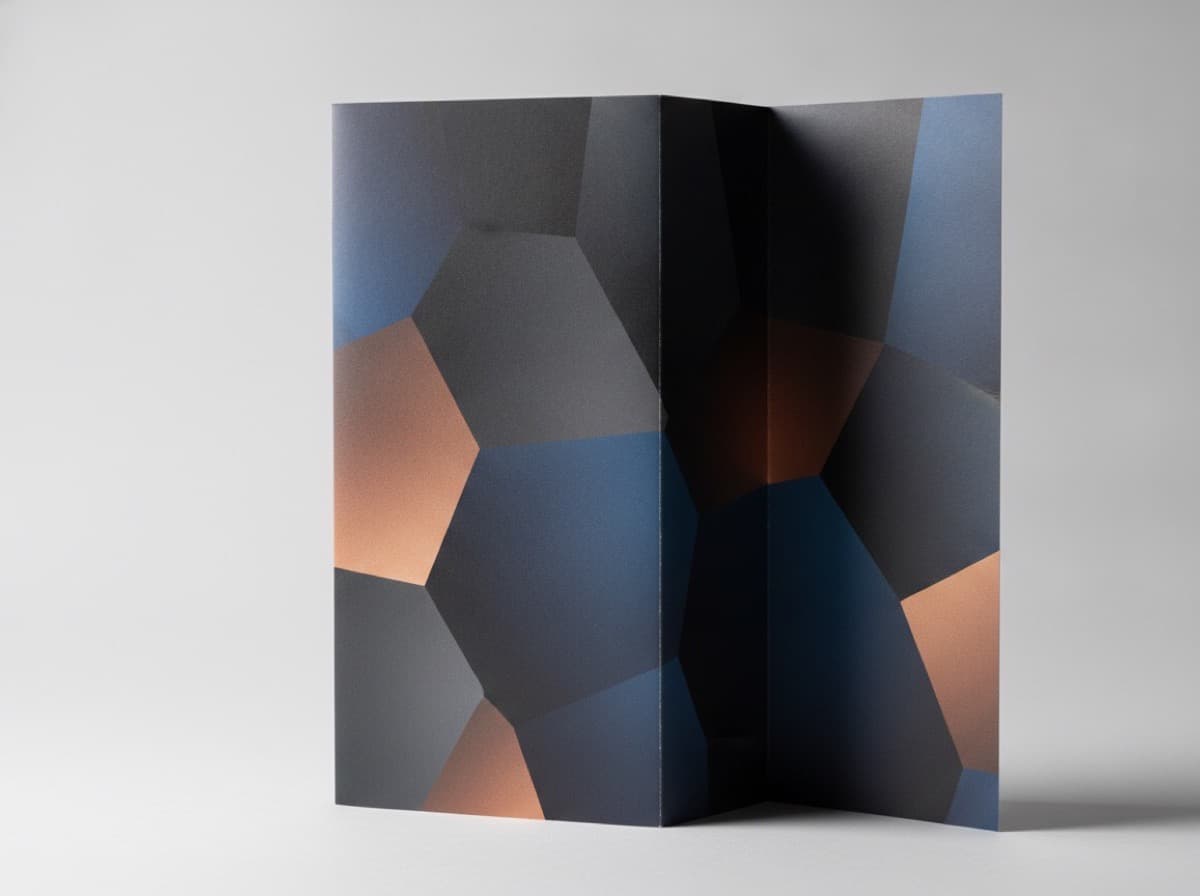
A company profile brochure is not just a printed document — it is a sales tool that forms the first impression of your business. Well-structured company brochures follow a consistent content sequence that builds credibility page by page.

Standard Page Layout
1. Cover
Lead with your logo, a core tagline, and a strong hero image. Keep it clean — resist the urge to cram in information.
2. Welcome Message / Vision
One page for a leadership message and company philosophy. This is where you begin building trust.
3. Services / Core Competencies
Use icons and diagrams so readers can instantly grasp what your company does.
4. Company History / Track Record
A timeline format shows growth at a glance. Support it with specific metrics — client count, years in business, notable milestones — for added credibility.
5. Key Clients / Portfolio
A logo grid or highlighted case studies provide objective proof of your capabilities.
6. Contact Information / Call to Action
Close with clear contact details and a direct call to action on the final page.
Page Count Guide
| Section | Recommended Pages | Notes | |---------|-------------------|-------| | Cover + Welcome | 2 | High impact | | Services + Competencies | 2–4 | Core section | | History + Track Record | 1–2 | Lead with numbers | | Clients + Portfolio | 1–2 | Builds trust | | Contact + CTA | 1 | Make the next step clear |
Design Tips
- Establish a consistent grid so spacing feels intentional across every spread
- Body text at 8–10 pt with generous margins reads as polished, not cramped
- Edit photography to a unified tone and color palette
- For saddle-stitched booklets, always check that facing pages are balanced as a spread
Frequently Asked Questions
How many pages should a company brochure be?
Small and mid-sized businesses typically land in the 8–12 page range. Larger organizations or technical companies may run 16–24 pages. If your content is lean, a tri-fold brochure is a smart, cost-effective format.
Do I still need a printed brochure if I have a digital PDF?
For in-person sales meetings, trade shows, and investor presentations, a physical brochure carries a persuasive weight that a digital file cannot fully replicate. Having both formats is the recommended approach.
Get 10% off your first order
Join our list for practical printing guides, new finish ideas, and a welcome coupon for your first order.
No spam. Unsubscribe anytime.