Unique Business Card Ideas That Actually Get Remembered
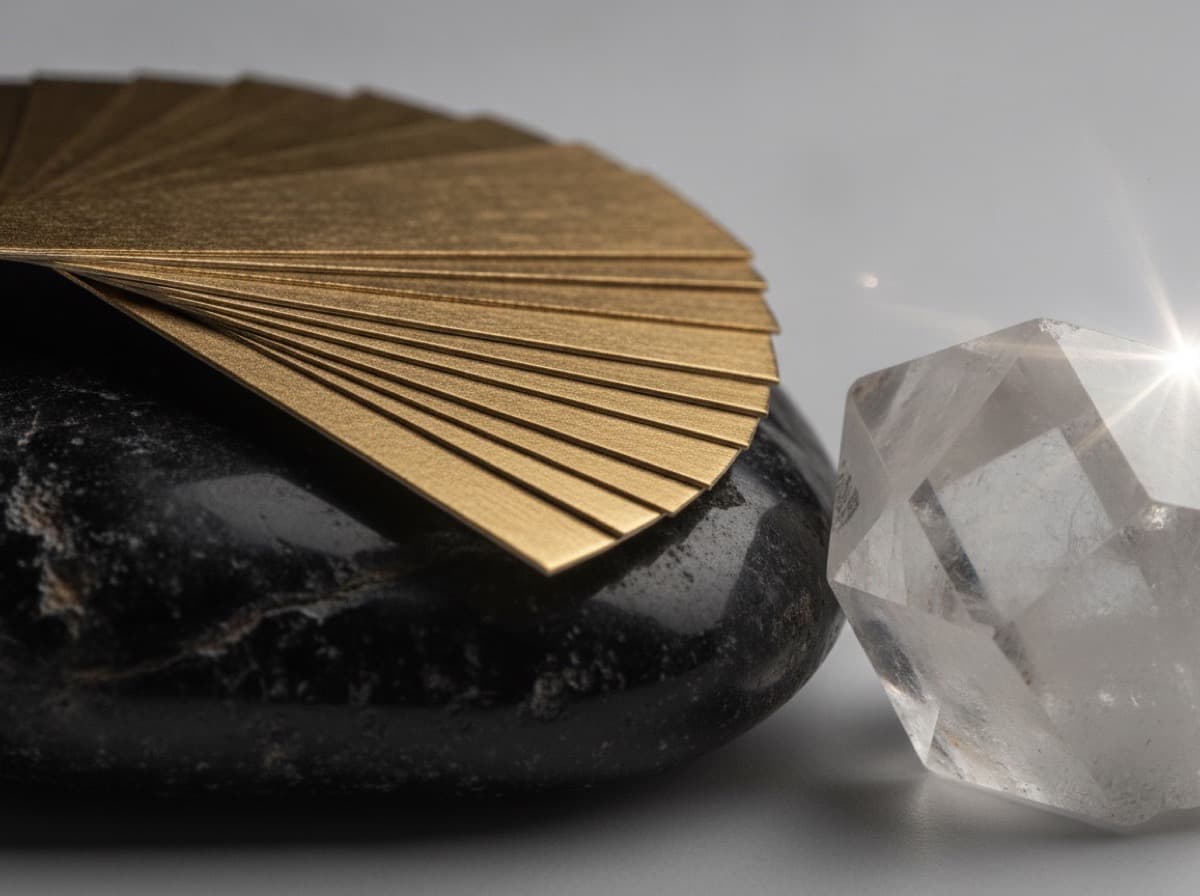
"Unique" business cards sometimes go wrong — QR codes that don't scan, shapes that don't fit in wallets, materials that feel like props. Here are ideas that are genuinely distinctive and still functional.
Contrast finish combinations
The most reliable way to make a card memorable is contrast — not visual noise, but deliberate contrast between elements.
Soft-touch matte + spot UV logo — the go-to premium combination. The velvet surface makes the glossy spot UV element pop visually and tactilely. People run their fingers over it without being told.
Dark base + foil name — a navy or charcoal card with gold foil stamping on the name is immediately distinctive. Practical for finance, law, luxury real estate, and personal brands.
Black card, white ink, no gloss — a flat black matte card with white-printed type and a blind-embossed logo reads like a luxury brand. Minimal inputs, strong impression.
The full-bleed back side
Leave the front clean: name, contact, logo. Put something bold on the back — a full-bleed texture, a strong pattern, a single powerful image, or a brand color at 100% saturation. The front delivers information; the back delivers brand.
Photographers do this with portfolio images. Architects do it with project photography. Contractors can do it with a before-and-after photo of a completed job.
Rounded corners
The lowest-cost, highest-return upgrade. Rounded corners are immediately perceptible as different from the sharp-edged standard, suggest more care was taken, and survive wallet storage better. If you're choosing one upgrade from baseline, this is often the right pick.
Specialty size options
Square format (2.5" × 2.5") — fits card holders, feels modern and intentional. Works for creatives, designers, and brands with a strong visual identity.
Mini cards (3.5" × 1.5") — distinctive and useful as secondary cards, price tags, or handouts at food/product events. Not ideal as a primary card for service professionals.
Folded cards (3.5" × 4" folded to 3.5" × 2") — provides the exterior of a standard card plus interior space for a portfolio sample, service menu, or longer bio.
Avoid the gimmick traps
- Metal cards — impressive to hold, but often not worth the cost, can't be written on, and don't scan easily at metal detectors or with some readers.
- USB cards — outdated and rarely practical.
- Unconventional materials (wood, plastic, fabric) — beautiful samples, but most involve trade-offs in readability, durability, or cardholder compatibility that make them unsuitable as primary business cards.
The best distinctive card is one where the finish and format choices are invisible — the person just knows they're holding something better.
Get 10% off your first order
Join our list for practical printing guides, new finish ideas, and a welcome coupon for your first order.
No spam. Unsubscribe anytime.