Eco-Friendly and Sustainable Business Cards: Materials, Certifications, and Options
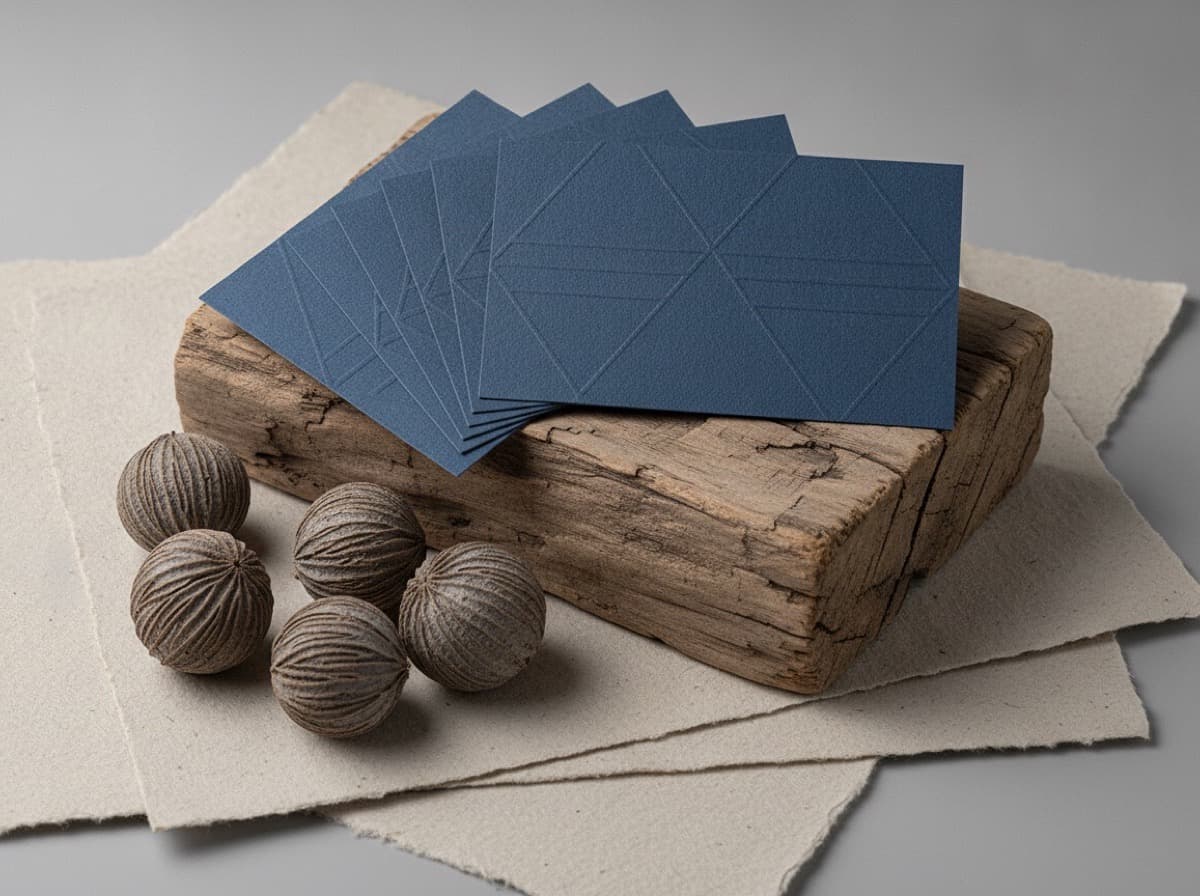
The materials and processes used to produce a business card can align with — or contradict — a brand's environmental values. For businesses that emphasize sustainability, an eco-friendly business card is both a principled choice and a marketing statement.
This guide covers every sustainable business card option and what to look for in a printer committed to environmental responsibility.
Why Eco-Friendly Business Cards Matter
Traditional business cards are typically made from virgin wood pulp paper with petroleum-based inks, plastic laminates (for soft-touch or glossy finishes), and foil from metal mining. In the US alone, over 7 million business cards are printed every day — most of which end up in landfills within a week.
Eco-friendly alternatives:
- Reduce virgin wood consumption
- Use renewable or waste-stream materials
- Eliminate or reduce plastic laminates
- Use vegetable-based inks with lower VOC content
- Enable biodegradability or compostability
For brands that market their environmental values, a conventional card is a visible inconsistency. For any brand, eco-friendly options provide a premium, distinctive card that often feels more considered than standard stock.
Eco-Friendly Paper Options
FSC-Certified Paper
FSC (Forest Stewardship Council) certification is the gold standard for responsible paper sourcing:
- FSC-Certified: Paper from forests managed to strict environmental and social standards
- FSC-Recycled: Made from post-consumer waste paper
- FSC-Mix: A blend of certified, recycled, and controlled wood sources
What to look for: "FSC-Certified" paper stock from your printer. Most professional card printers offer this as an option.
Recycled Paper
- Post-Consumer Waste (PCW) recycled: Made from paper that was used, collected, and recycled — the most beneficial type of recycled content
- 30% PCW, 50% PCW, 100% PCW: Higher percentage = less virgin material
- 100% recycled: No new trees cut for the paper
Recycled paper can have a slightly off-white or warm tone that some brands find appealing as a craft aesthetic.
Tree-Free / Alternative Fiber Papers
Papers made without wood pulp entirely:
- Cotton rag paper: Made from post-industrial cotton linters (fabric scraps). Extremely durable, archival quality, distinctive feel. Associated with fine stationery and currency paper.
- Bamboo paper: Bamboo grows rapidly without replanting and without pesticides. Bamboo-based card stock has natural warmth.
- Agricultural waste paper: Made from wheat straw, sugarcane bagasse, or other crop residues that would otherwise be burned. Reduces agricultural waste while creating paper.
- Hemp paper: Hemp fiber paper — durable, grows without pesticides, renewable
Seed Paper
One of the most distinctive eco-card options:
- Paper embedded with wildflower, herb, or vegetable seeds
- When planted and watered, the card grows into flowers or herbs
- The card becomes a garden
- Best for: Businesses where the "zero waste" story is a strong differentiator — environmental nonprofits, organic brands, sustainability consultants, garden businesses
Limitations: Limited printing resolution (rough texture), limited color range, not suitable for highly detailed designs
Kraft Paper
- Recycled or virgin unbleached paper with natural brown tone
- Industrial recycling process
- Warm, craft aesthetic
- Works well for food brands, artisan goods, and any business with natural/craft positioning
Eco-Friendly Finishes and Coatings
Aqueous Coating
Water-based coating with significantly lower VOC content than UV coating. Offers gloss or matte surface protection without the chemicals of petroleum-based coatings.
Soy-Based or Vegetable-Based Inks
Traditional petroleum-based inks contain VOCs (volatile organic compounds). Soy and vegetable-based inks:
- Lower VOC content
- More biodegradable
- Easier to de-ink for paper recycling
- Colors are vibrant and equivalent to petroleum inks for most applications
Uncoated (No Coating)
Skipping the coating entirely eliminates the laminate or coating waste:
- Uncoated cards are fully recyclable
- No plastic laminate
- Distinctive paper texture
- Works beautifully for letterpress, foil stamping, and premium typographic designs
What to Avoid
- Soft-touch lamination: The velvet feel comes from a plastic film laminate that makes the card unrecyclable and non-compostable
- Gloss UV coating: Petroleum-based, adds plastic layer
- PVC cards: Fully plastic, non-biodegradable
Certifications to Look For in Printers
FSC Chain of Custody Certification
A printer with FSC chain of custody certification can print on FSC-certified paper and pass the certification to the end product. This allows you to print "Made on FSC-certified paper" truthfully.
SFI Certification
SFI (Sustainable Forestry Initiative) — similar to FSC, North American standard.
B Corp Certification
Printers with B Corp certification meet rigorous standards across environmental, social, and governance practices.
Green Seal or EPEAT
Look for these if you need third-party verified environmental claims.
Carbon Neutral Printing
Some printers offer verified carbon offset programs that neutralize the carbon footprint of your print run through investment in certified offset projects.
Practical Considerations
Design for Eco-Friendly Stock
- Seed paper: Use simple, bold designs — fine lines don't print crisply on textured paper
- Kraft paper: Colors appear warmer and slightly muted. White ink (not CMYK) is often needed for light elements on kraft.
- Uncoated: Ink absorbs into the paper — colors appear softer than gloss prints
Cost Premium
Eco-friendly options typically cost 10-40% more than standard options:
- FSC paper: 5-15% premium
- Cotton rag: 20-50% premium
- Seed paper: Significant premium (3-5x standard)
- Tree-free specialty: 25-60% premium
For brands where sustainability is a core value, the premium is part of the brand experience.
Communicating Your Choice
Some brands stamp or print on the card back: "Printed on FSC-Certified recycled paper using soy-based inks" — turning the card itself into a sustainability statement.
Eco-Friendly Card Options by Use Case
| Use Case | Recommended Eco Option | |----------|------------------------| | Standard professional | FSC-certified paper, soy inks | | Premium/luxury eco | Cotton rag, letterpress, no coating | | Craft/artisan brand | Kraft paper, uncoated | | Maximum impact | Seed paper | | Budget-conscious eco | 30%+ PCW recycled, aqueous coating | | Zero waste branding | Seed paper or fully uncoated recycled |
Checklist
- [ ] FSC-certified or recycled paper stock
- [ ] Soy or vegetable-based inks
- [ ] Aqueous coating instead of UV (if coating needed)
- [ ] Avoid plastic laminates (soft-touch, glossy UV) if compostability matters
- [ ] Seed paper for maximum eco statement
- [ ] Printer has FSC chain of custody certification
- [ ] Consider printing "Printed on [material] with [ink]" on back
Get 10% off your first order
Join our list for practical printing guides, new finish ideas, and a welcome coupon for your first order.
No spam. Unsubscribe anytime.
Ready to start your print order?
Browse Printing ProductsNot sure which option fits? Ask Pro Card Crafters