How to Order Small-Batch Business Cards Without Wasting Money on the Wrong Finish
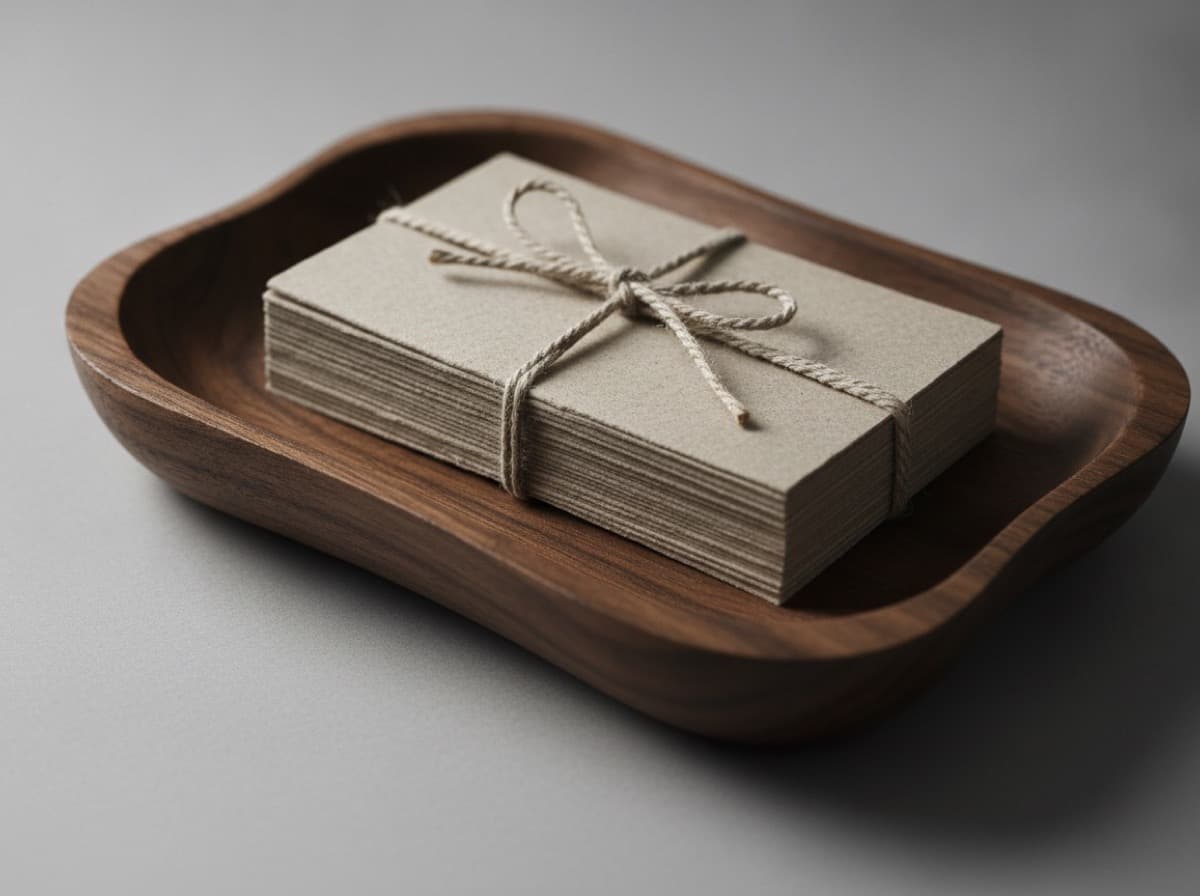
Small-batch business card orders make sense in more situations than most people realize. Here's when to order small, how to choose wisely, and how to avoid the per-card cost trap.
When small-batch orders make sense
Testing a new brand or title. If you're transitioning roles, starting a side business, or experimenting with a rebrand, ordering 50–100 cards lets you validate the design in use before committing to 500.
Testing a new finish. If you're deciding between soft-touch and standard matte, a small batch of each lets you experience them in real hand-offs rather than guessing from an online description.
Specialty events or markets. A food vendor at a farmers market and a realtor at an open house don't need the same supply. Matching quantity to distribution rate prevents overstock.
New side projects. A consultant who starts speaking at events might want a small batch of speaker-specific cards separate from their main cards.
The cost reality of small batches
Per-card cost is highest for small quantities. 50 cards at $0.80 per card is $40; 250 cards at $0.25 per card is $62.50. The 250-card order is only 56% more expensive for 5× the supply.
For most finishes, 250 cards is the sweet spot where per-card cost drops meaningfully from small quantities, but total investment stays manageable. This is the right starting point for most professionals.
What to lock in before ordering any quantity
- Your phone number and email — the most common reason for a reprint. Double-check these before approving the proof.
- Your title and company name — particularly relevant if you're in a new role or launching a new business.
- Your QR destination — the URL or link the QR code points to should be tested before the cards are printed. A broken QR is a wasted upgrade.
Finish strategy for first runs
For a first-time order with a new brand:
- Choose one finish — don't experiment with multiple finishes on a small batch. Pick your intended production finish and test it.
- Start with a standard matte or soft-touch — both are versatile and perform well across professions.
- Hold the specialty finishes — spot UV, foil, and embossing are better tested once you're committed to the design direction.
When to reorder and when to redesign
If you're happy with the cards: reorder at a higher quantity and lower per-card cost.
If you want changes: update the design before reordering. The cost of a design change before printing is zero. The cost of discovering a needed change after 500 cards are printed is the full reprint.
Get 10% off your first order
Join our list for practical printing guides, new finish ideas, and a welcome coupon for your first order.
No spam. Unsubscribe anytime.