Postcard Sizes and Mailing Standards: The Complete Guide
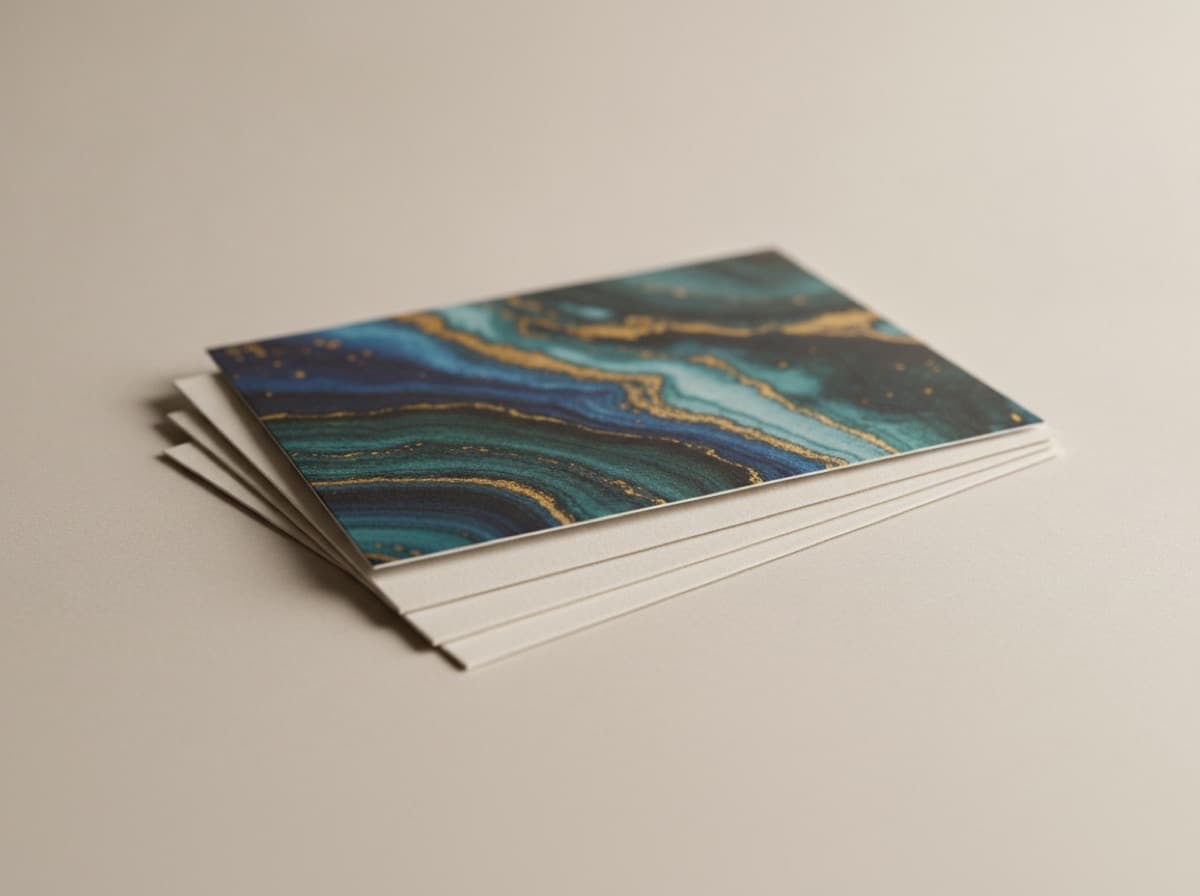
The first decision when designing a postcard is the size. It's not just about aesthetics — your choice directly affects whether the piece can be mailed at the standard postcard rate and how much it costs to print. This guide covers standard postcard dimensions and postal specifications so you can plan your project confidently.

USPS Standard Postcard Dimensions
The United States Postal Service defines a postcard as a rectangular piece between 3.5" × 5" and 4.25" × 6" (approximately 89 × 127 mm to 108 × 152 mm). Pieces within this range qualify for the lower first-class postcard rate. Anything outside these dimensions is classified as a letter or flat, which costs more to mail.
A popular standard size is 4" × 6" (approximately 102 × 152 mm) — it sits comfortably within the USPS postcard rate window and is widely recognized as the go-to postcard format.
Common Postcard Sizes
| Name | Trim Size | Common Use | |------|-----------|------------| | Standard postcard | 4" × 6" (102 × 152 mm) | Direct mail, promotions | | Large postcard | 4.25" × 6" (108 × 152 mm) | Announcements, invitations | | Square postcard | 5" × 5" (127 × 127 mm) | Artistic, photo | | Mini postcard / note card | 3.5" × 5" (89 × 127 mm) | Message cards |
Artwork Size and Bleed
When setting up your print file, add 0.125" (3 mm) of bleed on all four sides beyond the trim size. For a 4" × 6" postcard, your total artwork canvas should be 4.25" × 6.25". Background colors and images must extend to the bleed edge — otherwise you risk a thin white border appearing after trimming.
Keep all important content — text, logos, and other key elements — at least 0.125"–0.25" (3–5 mm) inside the trim line to create a safe zone and avoid anything getting cut off.

Mailing Checklist
- Dimensions fall within the USPS postcard size range
- Weight is within the standard postcard weight limit (heavier stock may exceed it)
- Address area reserved on the right side of the back panel
- Postage area (stamp or indicia) left clear in the upper right corner
- Glossy coating considered — hand-addressing can be difficult on a high-gloss surface
Paper Weight and Mail Integrity
Postcards need enough stiffness to pass through automated mail processing equipment without curling or getting damaged. A stock of 250–300 gsm is generally recommended. Paper lighter than 200 gsm can be too flimsy and may be damaged by sorting machines, while stock heavier than 350 gsm may exceed USPS weight or thickness limits for the postcard rate — so stick close to the recommended range for mailed pieces.
Frequently Asked Questions
Do I need a stamp on a custom-printed postcard?
Unless postage is pre-printed on the postcard (a business reply or permit imprint card), you will need to affix a standard postcard-rate stamp or pay postage at the counter. Self-printed postcards use the standard first-class postcard rate.
Can I mail a square postcard?
A 5" × 5" square postcard falls outside the standard USPS postcard dimensions and is classified as a non-machinable letter or flat, which carries a higher postage rate. It can be mailed, but expect to pay more. If keeping postage costs down is a priority, stick to the standard 4" × 6" size.
Get 10% off your first order
Join our list for practical printing guides, new finish ideas, and a welcome coupon for your first order.
No spam. Unsubscribe anytime.