Die-Cut Business Cards: Shapes, Uses, and Whether the Novelty Is Worth It
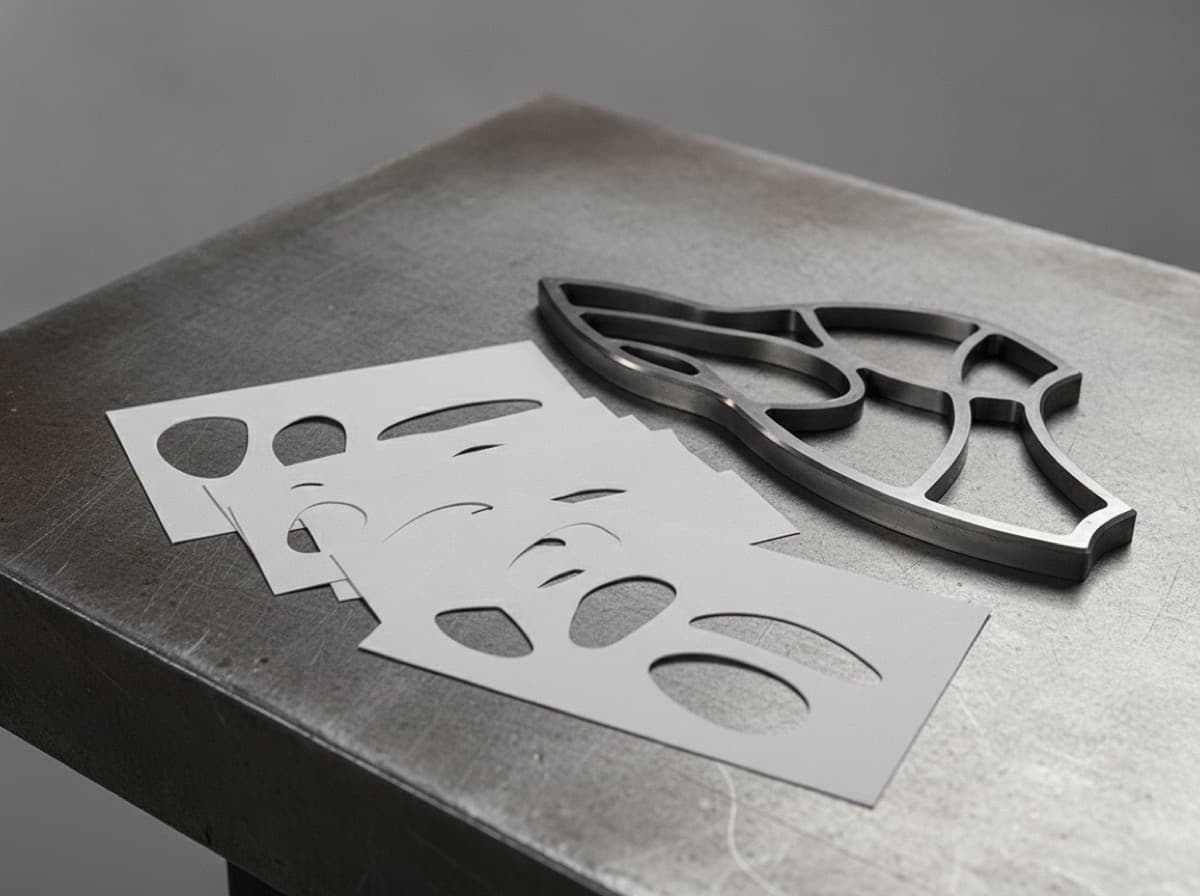
Die-cutting lets a business card be any shape the cutting die can produce. Rounded corners are the most common upgrade. Custom shapes — circles, squares, mini-cards, leaf forms — go further. Here's what to consider.
Why die-cut cards work
Humans notice things that break patterns. A round card in a stack of rectangles gets picked up. A wallet-sized card with soft rounded corners feels better to hand over. Shape communicates before a word is read.
When die-cutting helps:
- Your brand has a strong shape identity (a logo that's circular, a leaf, a house)
- You want to stand out in a competitive networking context
- Your audience holds onto cards rather than scanning and discarding
Common die-cut options
Rounded corners — the safest upgrade. Adds polish without complexity. Works with any design. Widely available and cost-effective.
Circle cards — dramatic. Work well for photographers, makeup artists, and brands with a portrait or icon as the focus. Difficult to write notes on.
Square cards — clean, modern. Fits in a standard card holder. Works well for architects, designers, and tech companies.
Leaf or custom organic shapes — memorable but niche. Best when the shape directly relates to the brand (florist, spa, landscaper).
Mini cards (1/2 size) — great for price tags, loyalty cards, or tucking into packaging. Not ideal as a primary business card for service businesses.
Design considerations for non-standard shapes
- Bleed still matters — extend background artwork to the shape's cut edge, not just the rectangular page edge.
- Keep text away from the cut zone — 3mm safety margin applies to every edge, including the curve.
- Test the shape at scale — what looks good at full size on screen can feel awkward at 3.5" × 2".
When to skip the custom shape
If your audience is traditional (law, finance, C-suite enterprise), an unusual card shape can read as gimmicky. For those audiences, invest in a better finish on a standard shape.
Also: round cards don't stack flat in a card holder. If your recipients are likely to file cards in a Rolodex or standard holder, rounded corners are the better upgrade.
The budget reality
Custom dies cost more than standard cuts. For small runs (under 250 cards), the per-card cost can be significantly higher. If you want to test a shape before committing, order a smaller batch first.
Browse die-cut options or contact us for a custom shape quote.
Get 10% off your first order
Join our list for practical printing guides, new finish ideas, and a welcome coupon for your first order.
No spam. Unsubscribe anytime.
Ready to start your print order?
Browse Printing ProductsNot sure which option fits? Ask Pro Card Crafters