Business Card Finishes & Stocks
In-depth guides to premium business card finishes and materials — foil stamping, spot UV, embossing, die-cutting, laminates, and choosing the right card stock.
Premium finishes are what separate a forgettable business card from one people keep. This hub collects our in-depth guides to the materials and finishing techniques that define a high-end card — from foil stamping and spot UV to embossing, die-cutting, laminates, and the paper stock underneath it all.
Whether you're deciding between soft-touch and gloss lamination, weighing foil against emboss for a logo, or choosing a stock weight that feels substantial without cracking on the fold, these guides walk through the trade-offs, typical use cases, and what to check before you send a file to print.
What you’ll find in this hub
- Foil stamping, spot UV, and letterpress compared
- When embossing beats foil (and when it doesn't)
- Choosing card stock weight and texture
- Gloss, matte, and soft-touch laminates explained
- Die-cut shapes and whether the novelty pays off
Latest business card finishes & stocks articles
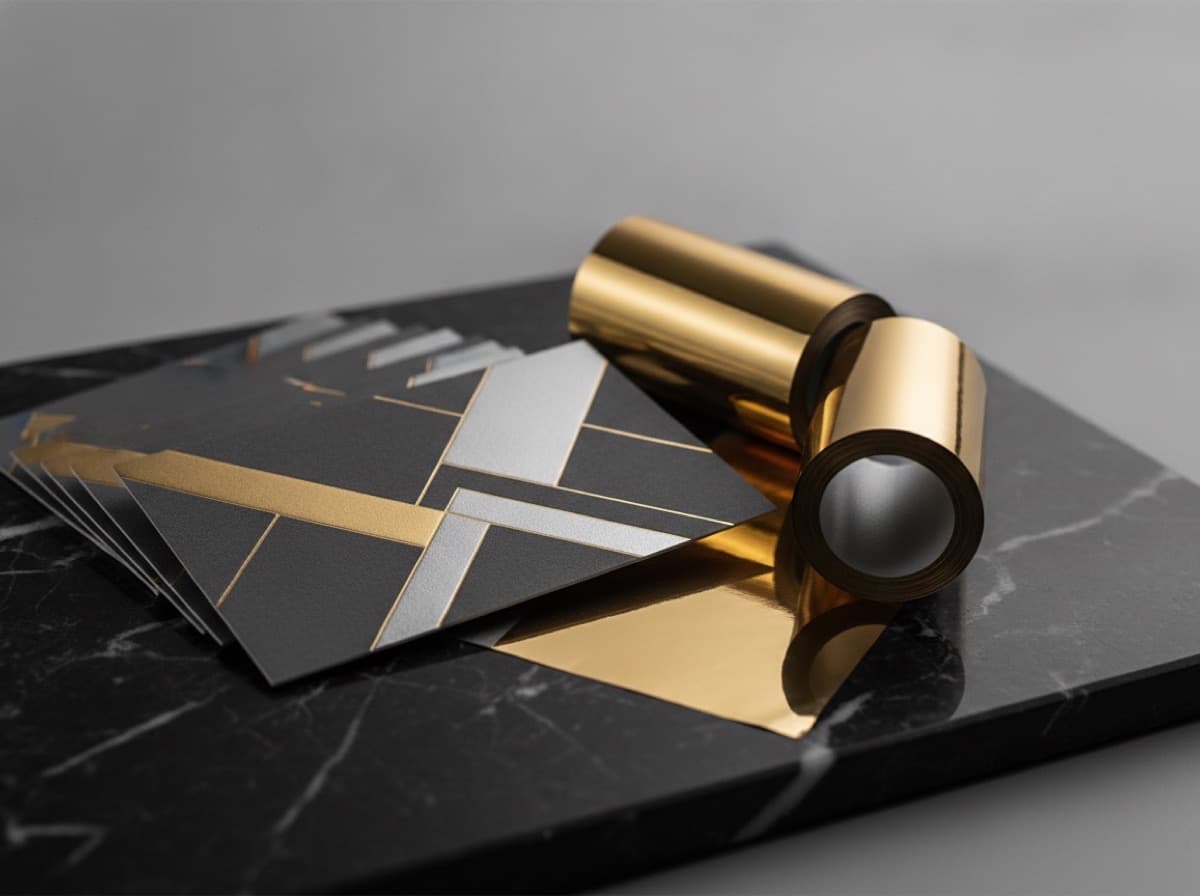
Foil-Stamped Business Cards: Colors, Cost, and Design Tips
Foil-stamped business cards use heat and pressure to press a thin metallic or pigmented film into the paper, leaving a bright, reflective mark that ordinary ink cannot match. If you are weighing gold…
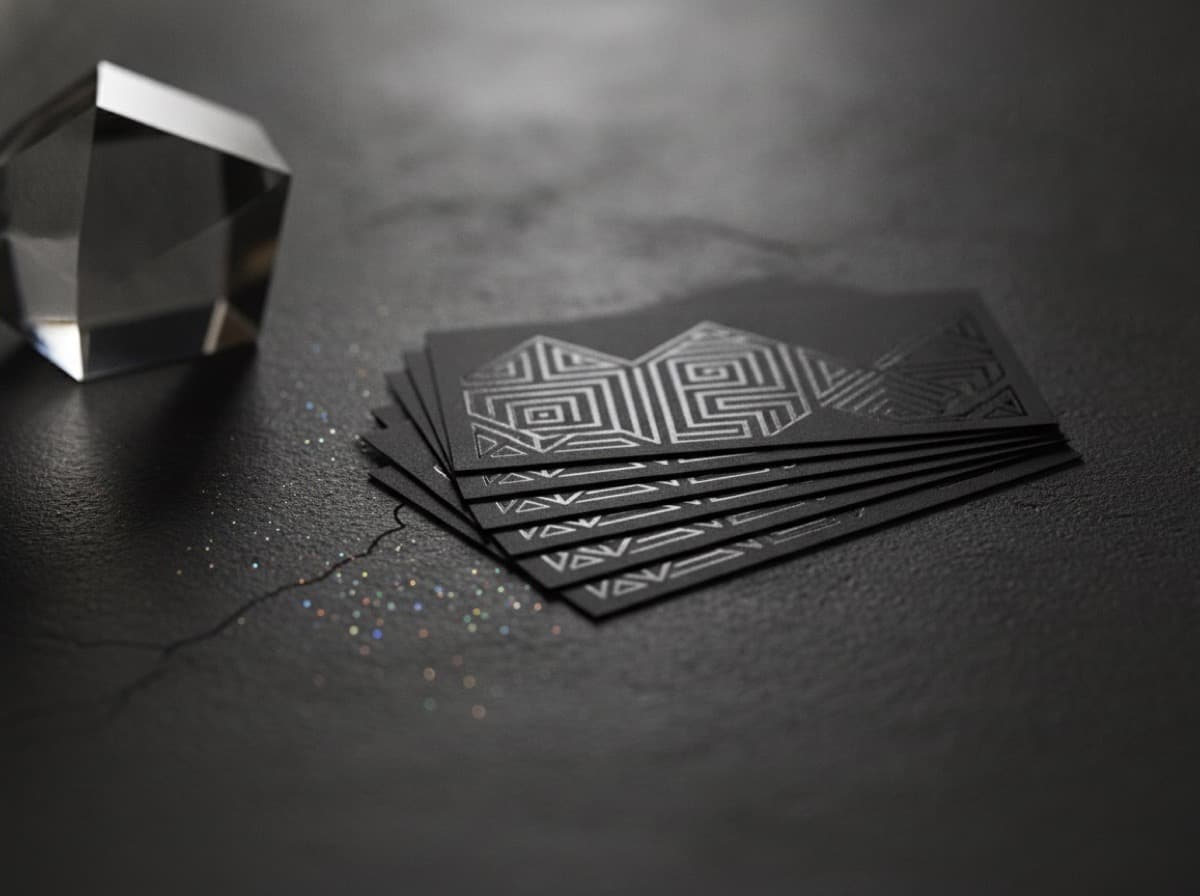
Spot UV Business Cards Explained: Raised vs Flat Gloss
Spot UV business cards use a clear, glossy coating applied to specific areas of the card and cured under ultraviolet light, so the treated spots shine while the rest of the surface stays matte. The…
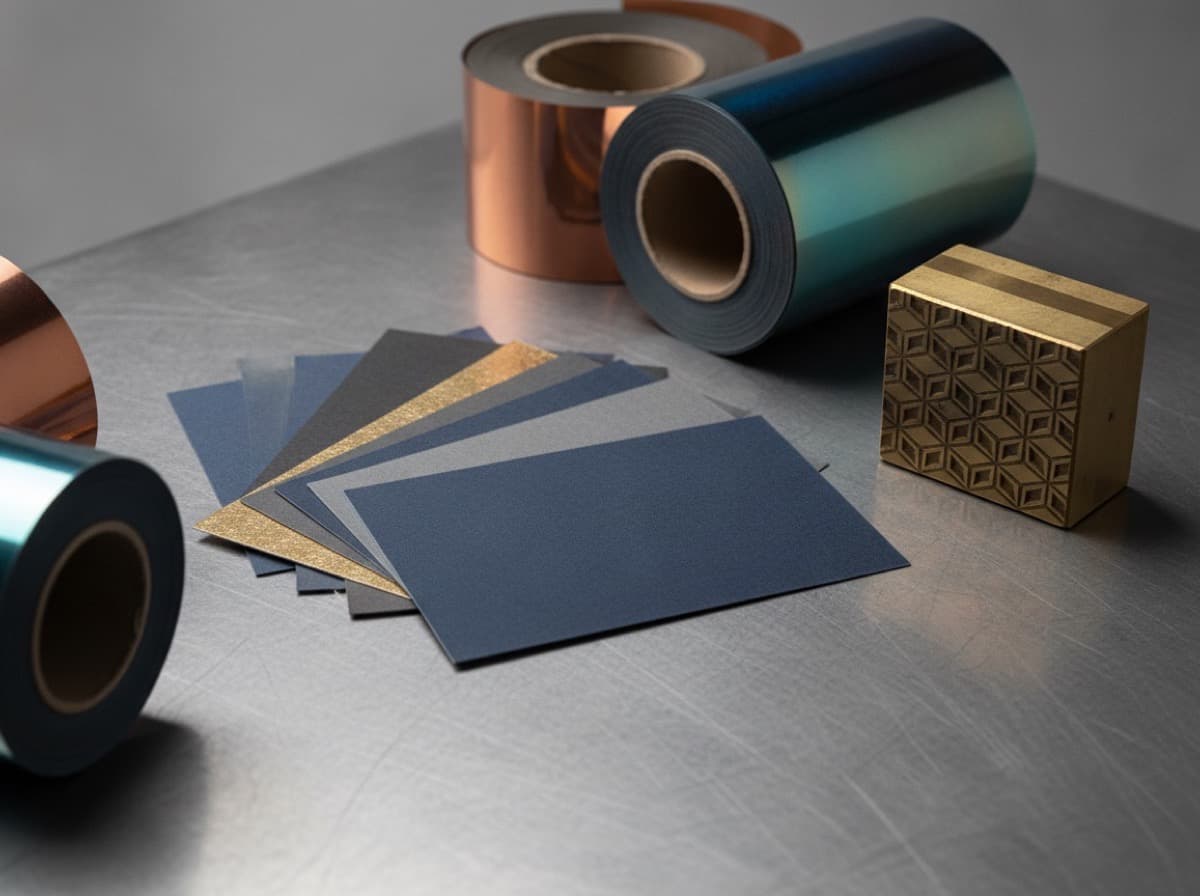
Premium Business Card Finishes: The Complete Guide (Foil, Spot UV, Letterpress & More)
The short answer: a "premium finish" is any post-print treatment — foil, spot UV, letterpress, embossing, edge painting, soft-touch lamination — that changes how a business card feels and catches…
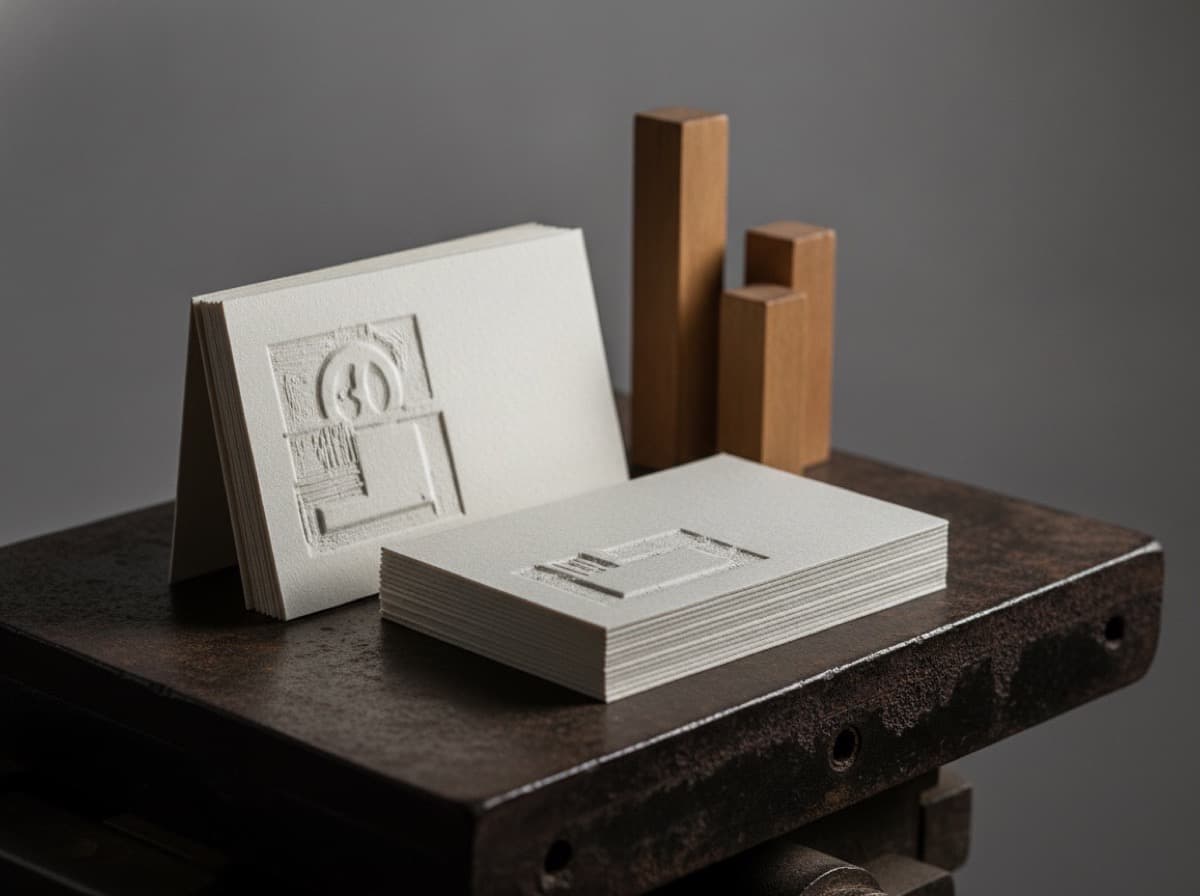
Letterpress Business Cards: Are They Worth It?
Letterpress business cards are printed by pressing an inked plate firmly into thick, soft cotton stock, leaving a crisp impression you can feel from both sides of the card. Are they worth it? For a…
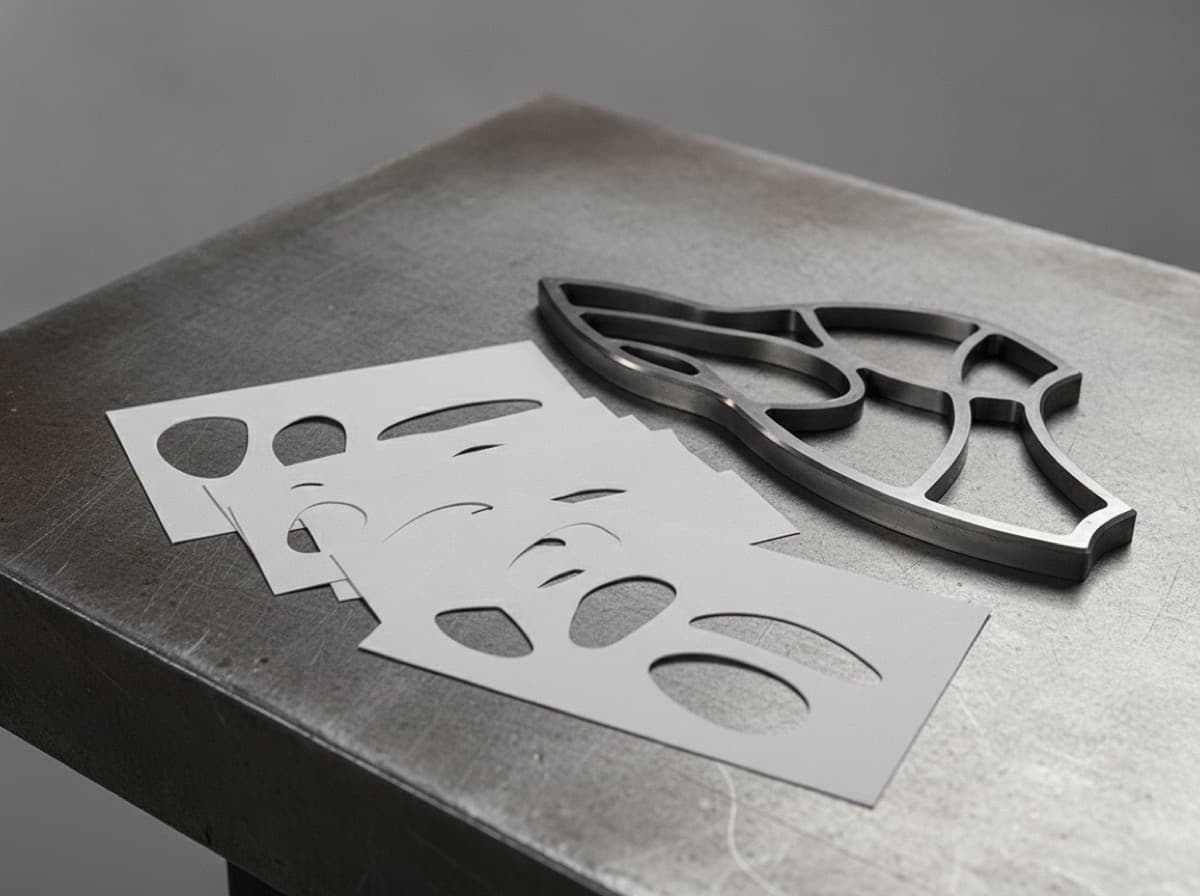
Die-Cut Business Cards: Shapes, Uses, and Whether the Novelty Is Worth It
Rounded corners, circles, leaf shapes, and custom cuts — die-cut cards get noticed. Here's what to know before you order an unusual shape.
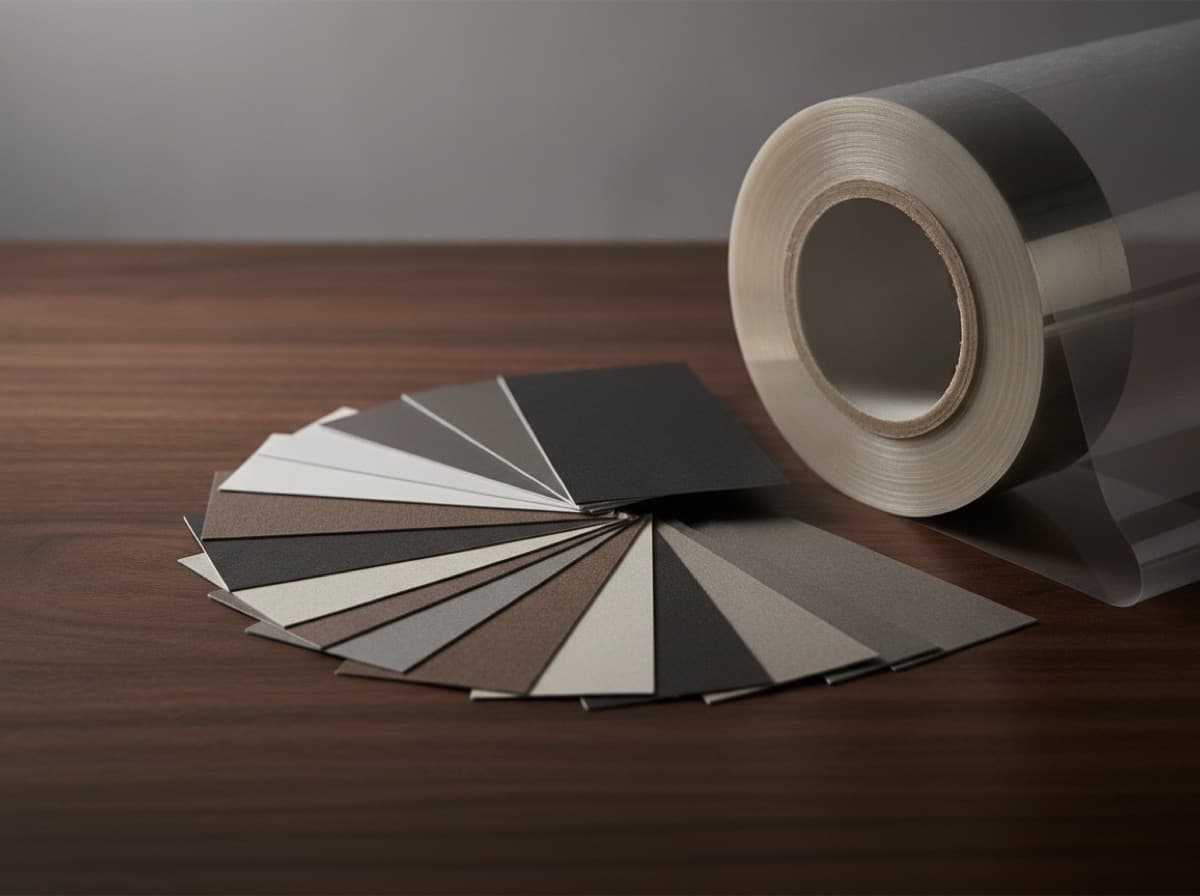
Understanding Business Card Laminates: Gloss, Matte, Soft-Touch, and When Each Works
Laminate is the thin film applied over a printed card to protect it and define its feel. Choosing the right one is simpler than it sounds.
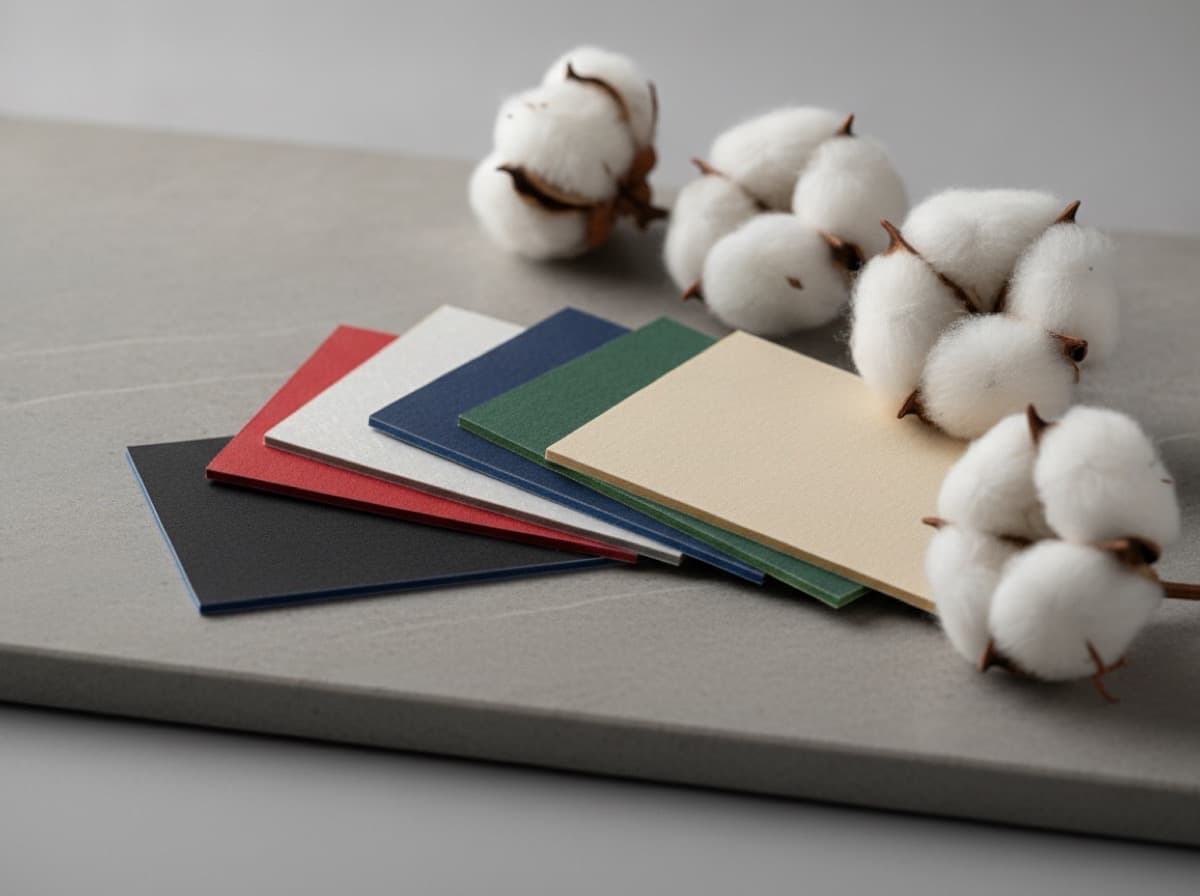
Choosing the Right Business Card Stock
Matte, glossy, soft-touch, or textured? A plain-English guide to picking the paper that matches your brand and budget.
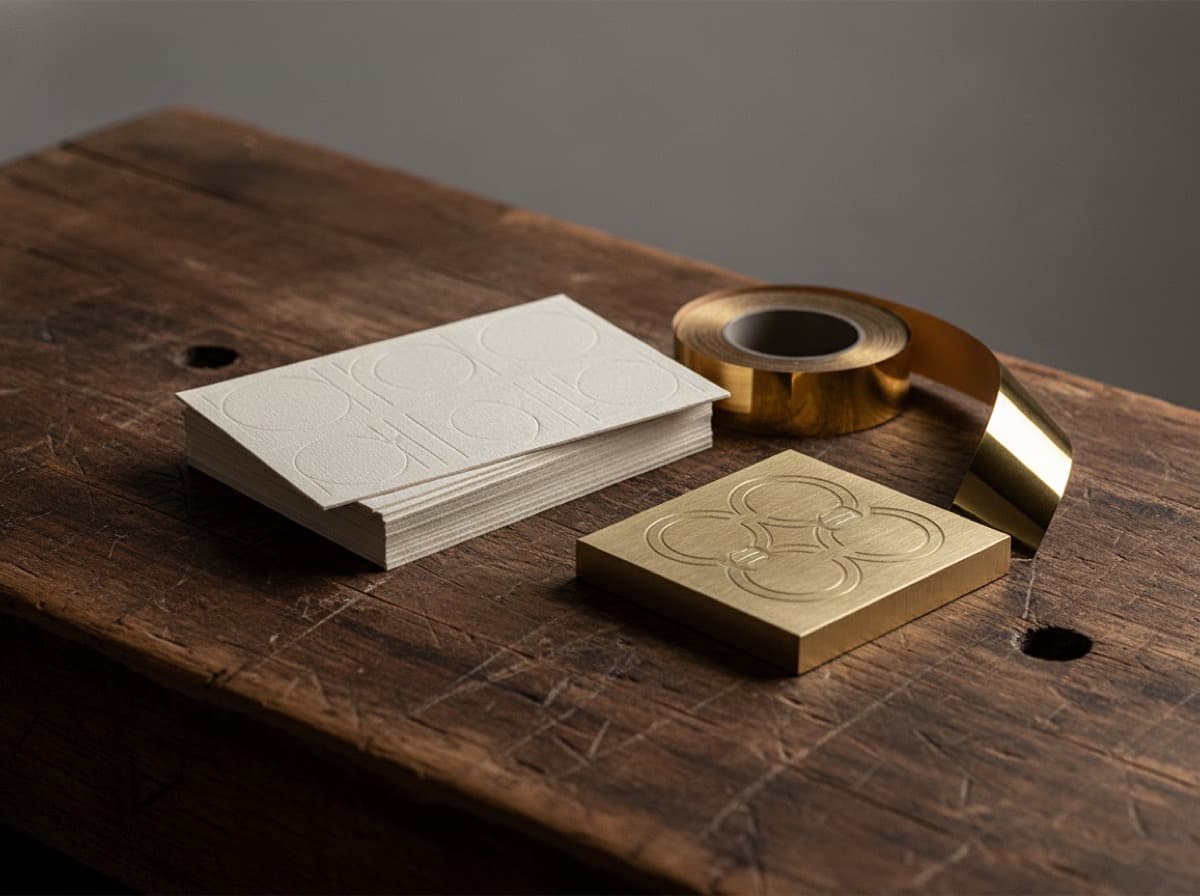
Foil Stamping vs Embossing on Business Cards: Which Premium Finish Is Right for You?
Both foil and embossing signal luxury — but they do it differently. Here's how to tell them apart and choose the one that fits your brand.
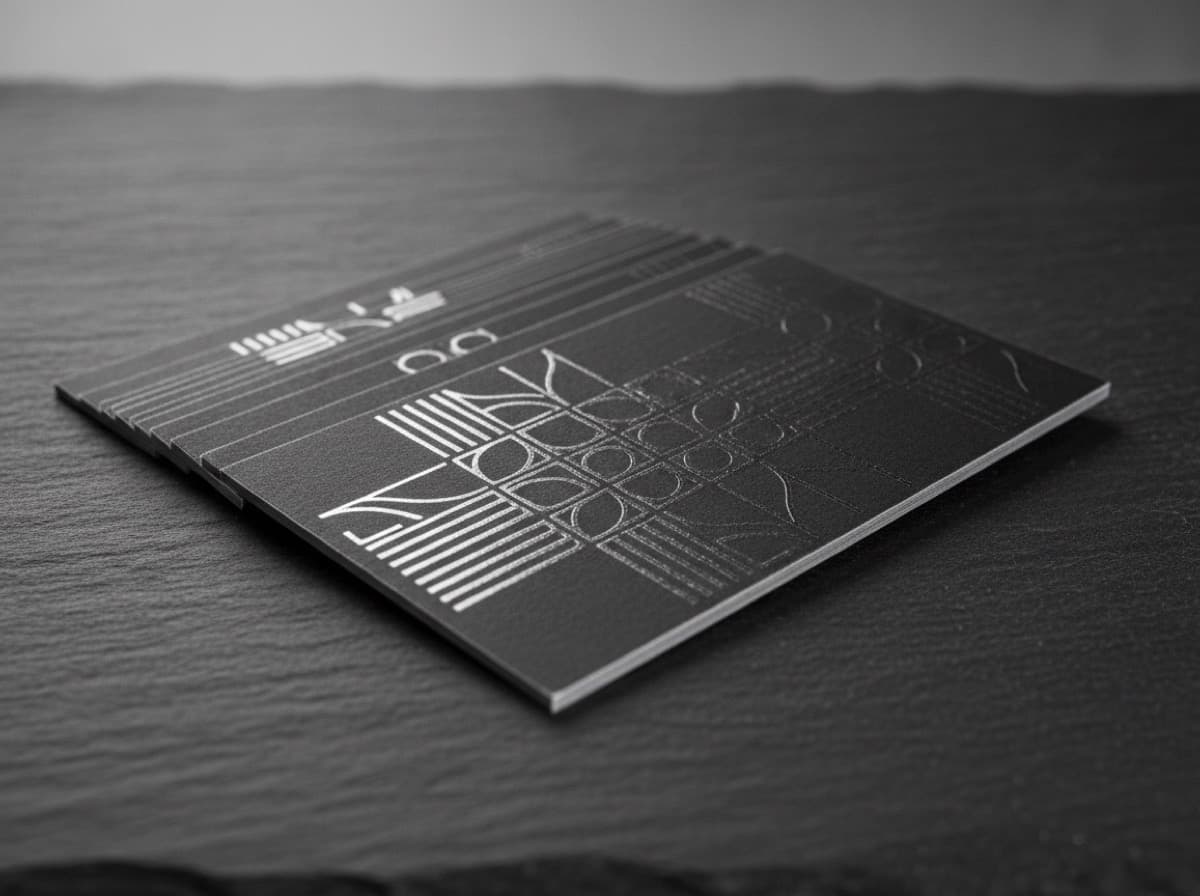
When to Use Spot UV on Business Cards (and When to Skip It)
Spot UV adds a glossy accent to a matte card that makes people look twice. Here's when it's worth the upgrade — and when it just adds cost.
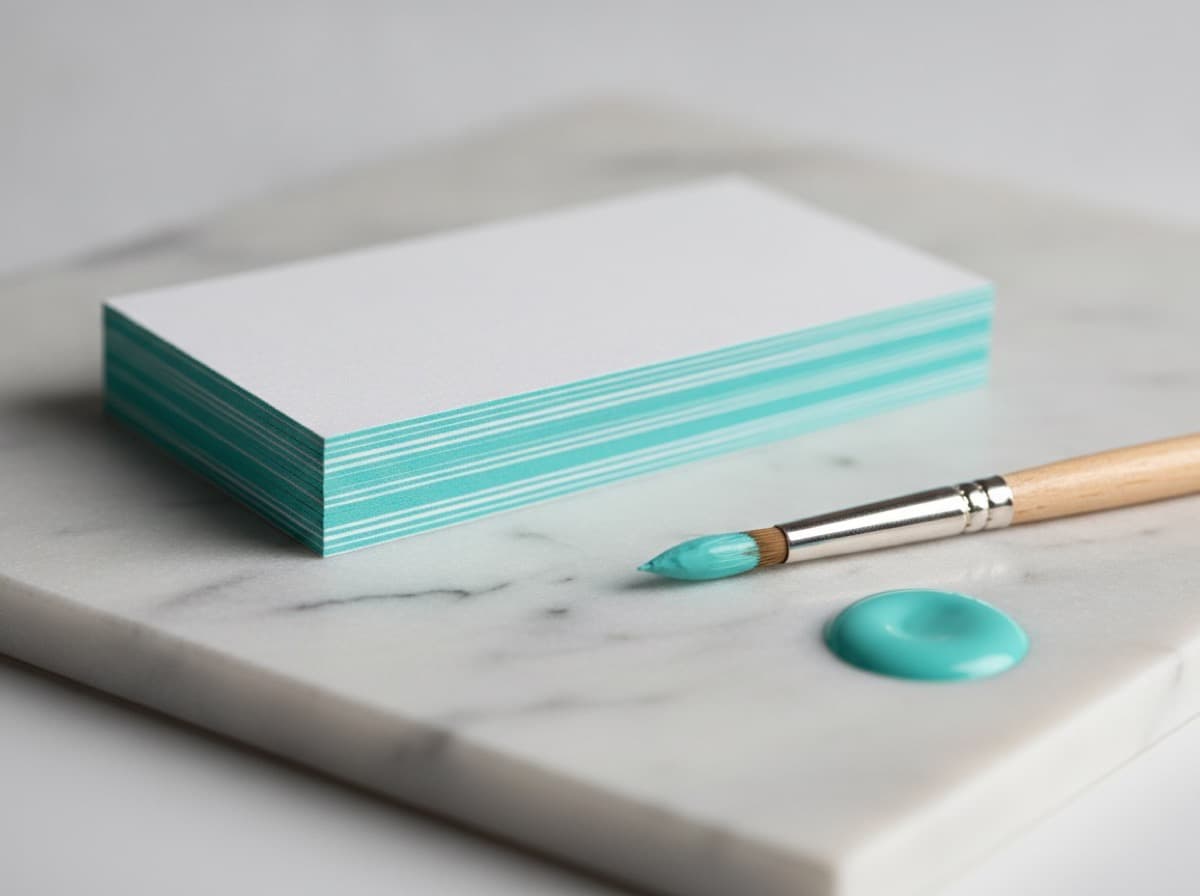
Edge-Painted Business Cards: A Complete Guide
Edge-painted business cards have a solid band of color applied to all four sides of the card's cross-section, turning the edge — the part that's normally plain white — into a deliberate design…