Choosing Flyer Paper Weight (GSM): From 80 GSM to 200 GSM
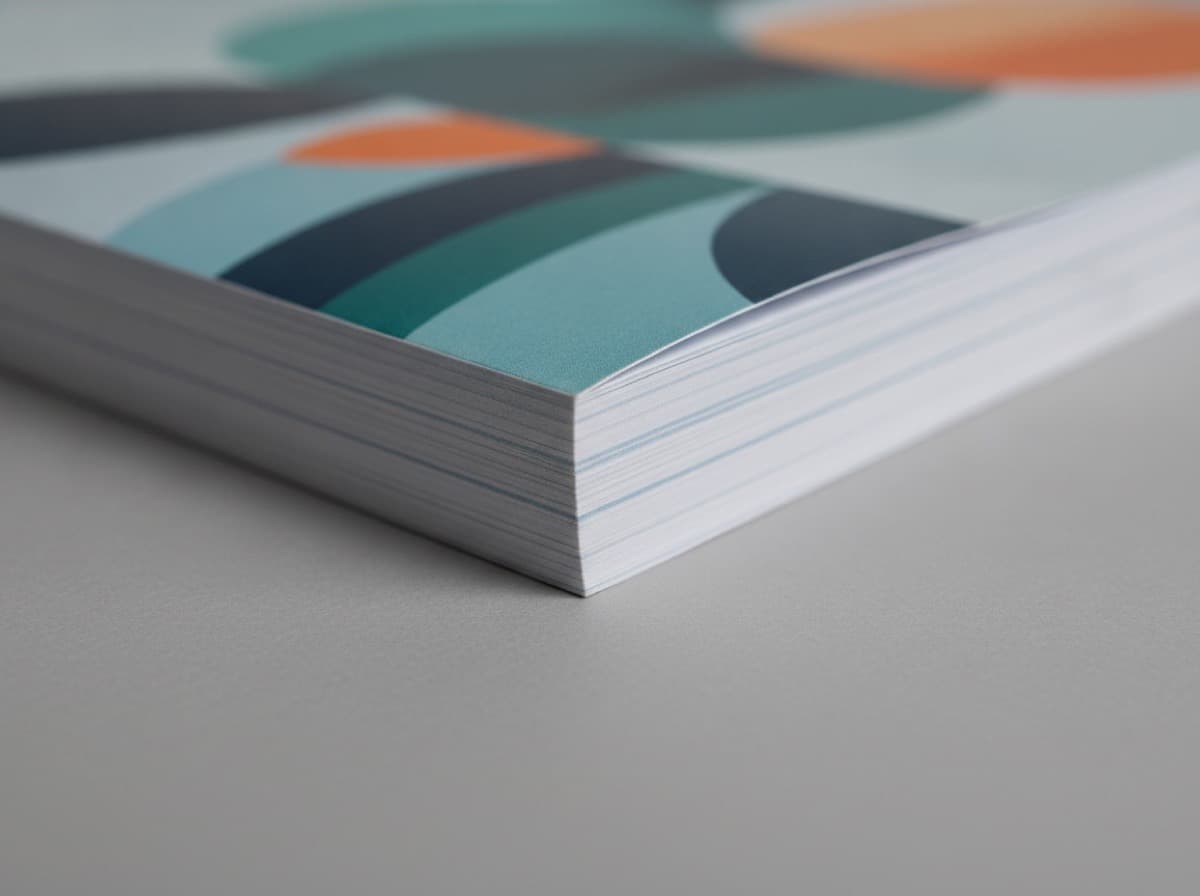
The sense of quality a person gets the moment they pick up your flyer is almost entirely determined by paper weight. GSM (grams per square meter) measures how much a single square meter of paper weighs — the higher the number, the thicker and stiffer the sheet. The same design can feel bargain-bin or genuinely premium simply based on the paper stock you choose.

What GSM Actually Means
GSM is the weight of one square meter of the paper. An 80 GSM sheet weighs 80 grams per square meter; a 150 GSM sheet weighs 150 grams. Weight does not translate perfectly to thickness across different paper types, but within the same paper family a higher GSM always means a thicker, stiffer sheet.
GSM Ranges, Feel, and Best Uses
| GSM Range | Feel | Primary Uses | |-----------|------|--------------| | 80–100 GSM | Thin and light | Mass hand-to-hand distribution, newspaper inserts | | 120–150 GSM | Firm and solid | General retail flyers, menus | | 180–200 GSM | Thick and premium | High-end promotional flyers, direct-mail postcards |
80–100 GSM: Built for Volume Distribution
The most economical option, well suited for large print runs where the goal is wide reach rather than perceived premium quality. One caveat: at this weight, ink can bleed through on double-sided pieces, so test before committing to two-sided printing.
120–150 GSM: The Everyday Workhorse
The most widely used range for commercial flyers. Stiff enough to feel substantial in the hand, with enough opacity to handle double-sided printing without significant show-through. This range offers the best balance of quality and cost.
180–200 GSM: Premium and Durable
Approaches the stiffness of a card. Ideal for counter or lobby displays, direct-mail pieces, and situations where the flyer needs to survive handling over days or weeks. Unit cost is higher, but it makes a strong brand statement.
How Coating Interacts with Paper Weight
Adding a matte or gloss lamination increases both the perceived thickness and the durability of the sheet. A 120 GSM sheet with lamination can feel equivalent to a bare 150+ GSM sheet. If you want a premium feel without a premium paper cost, a lighter stock with a quality coating is a legitimate strategy.
Practical Tips
- For double-sided printing, start at 120 GSM minimum to avoid show-through
- If flyers are going in mailboxes, choose 130 GSM or heavier to prevent damage in transit
- Request paper samples and feel them before committing to a large order
- Going straight to the heaviest stock is not always the right call — a coating upgrade on a mid-weight sheet is often more cost-effective
Frequently Asked Questions
Is heavier always better?
No — it has to match the use case. Using 200 GSM for a mass hand-out run just increases cost without improving results. Match the weight to the purpose.
How much cost difference is there between 80 GSM and 150 GSM?
Paper cost can nearly double between these two weights. On a large run, your choice of stock has a significant impact on the total order cost.
Get 10% off your first order
Join our list for practical printing guides, new finish ideas, and a welcome coupon for your first order.
No spam. Unsubscribe anytime.