Business Card Paper Stock and Weight Guide: Choosing the Right Card Stock
The paper your business card is printed on shapes how recipients perceive you before they read a word. A thin, lightweight card feels cheap and forgettable. A thick, well-finished card conveys quality, confidence, and attention to detail. Choosing card stock isn't just about preference — it's a communication decision that affects how seriously your card is taken and how long it's kept.
Understanding Card Stock Weight
Card stock weight in the United States is measured in points (pt) — 1 point equals 1/1000 of an inch of thickness. Higher point = thicker card.
14pt Card Stock (Standard)
Thickness: 0.014" (0.355mm)
What it is: The most common standard card stock used by most online printing services (Vistaprint, Moo, Canva Print defaults). It's a serviceable, affordable choice that functions well.
How it feels: Stiff enough to hold shape but lightweight. Noticeably thinner than premium cards when placed side by side.
Best for: High-volume cards where cost is a primary concern, cards that will be left in bowls or dispensers in high quantities, networking situations where cards are handed out freely and not expected to make a premium impression.
Note: Most 14pt cards are coated with a gloss or matte finish on one or both sides. Uncoated 14pt is too thin for quality printing in most cases.
16pt Card Stock (Premium Standard)
Thickness: 0.016" (0.406mm)
What it is: The most widely recommended "premium" tier at most quality printing services; meaningfully thicker than 14pt.
How it feels: Has a satisfying heft and rigidity. Feels professional and confident. The difference between 14pt and 16pt is immediately noticeable when held.
Best for: Most professional business cards. Attorneys, healthcare professionals, consultants, financial advisors, real estate agents — professionals who want to communicate quality without going to specialty stock. Suitable for most finishes: matte, gloss, soft touch, spot UV.
Recommendation: 16pt is the minimum recommended weight for a card that should communicate professional credibility.
18pt Card Stock (Enhanced Premium)
Thickness: 0.018" (0.457mm)
What it is: A step above 16pt; not offered by all printers but available at most quality shops.
How it feels: Noticeably premium; stiff and satisfying. Holds its shape well even with heavy finishes.
Best for: Professionals in fields where premium positioning matters (luxury real estate, law, finance, high-end consulting). Pairs particularly well with matte laminate, soft touch, or spot UV finishes.
32pt Card Stock (Extra Thick / Luxury)
Thickness: 0.032" (0.813mm)
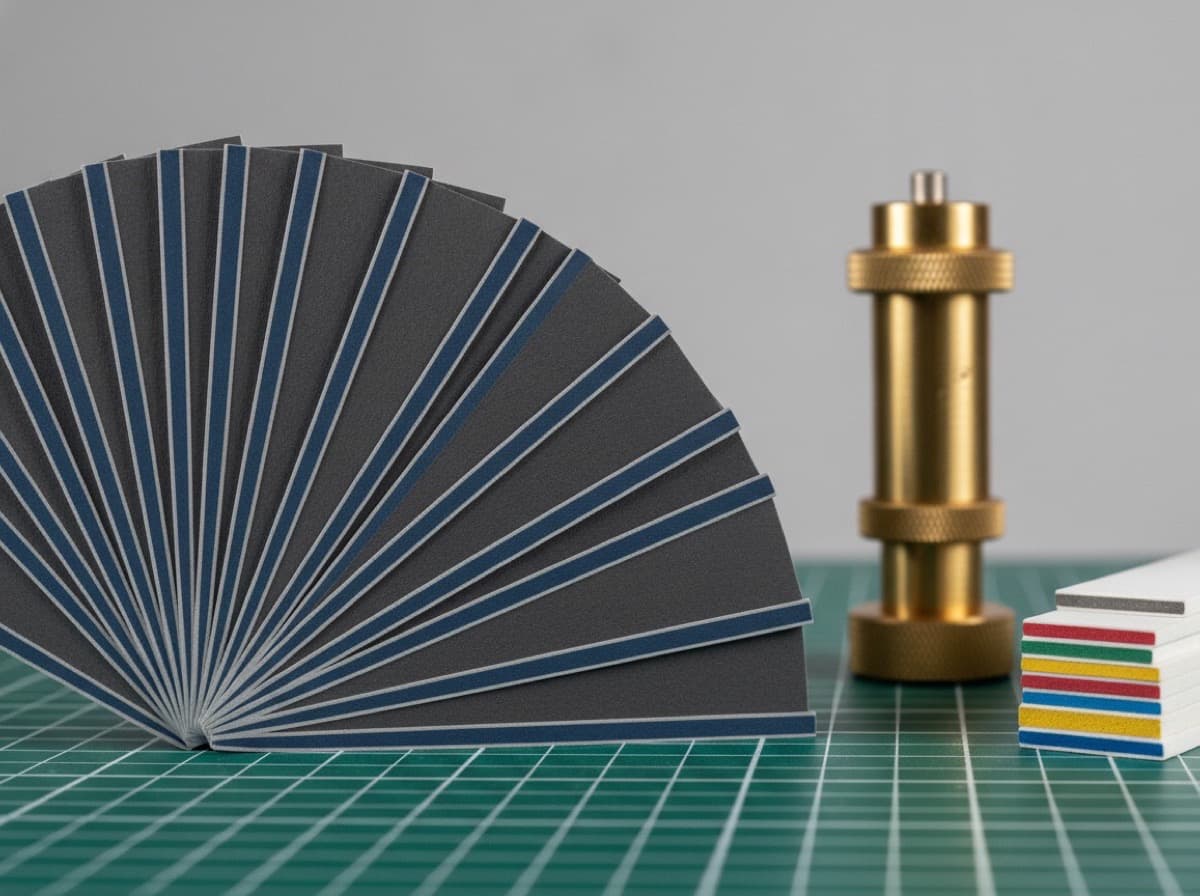
What it is: Ultra-thick, premium card stock — nearly the thickness of a credit card. Often features a distinctive "painted edge" or colorful cross-section when viewed from the side. Some 32pt cards have a soft inner layer (white or colored) sandwiched between outer printed layers.
How it feels: Feels substantially heavier and more substantial than any standard card. Commands attention and communicates intentional quality investment.
Best for: Creatives, designers, architects, luxury brands, premium service professionals, anyone for whom the card itself is a portfolio piece or design statement.
Limitation: 32pt cards don't fit in standard business card holders (they're too thick to slide in easily). If your clients use card holders or Rolodexes, consider whether this is a problem.
Comparison Table
| Weight | Thickness | Feel | Best For | |--------|-----------|------|----------| | 14pt | 0.014" | Standard | High-volume, cost-sensitive | | 16pt | 0.016" | Premium standard | Most professionals | | 18pt | 0.018" | Enhanced premium | Premium positioning | | 32pt | 0.032" | Ultra-thick luxury | Creatives, luxury brands |
Finishes and Coatings
The finish applied to card stock is as important as the weight:
Matte Finish
Description: A flat, non-reflective surface coating. Does not reflect light.
How it feels and looks: Sophisticated and modern. Colors appear slightly muted compared to glossy. Very clean and high-design.
Pros: No glare, shows true colors accurately, premium appearance, fingerprints less visible, excellent for text-heavy designs
Cons: Slightly muted vibrancy — photographs and saturated colors look less vivid than on gloss
Best for: Law firms, financial services, professional services, design studios, minimalist aesthetics, any card where sophistication over impact is the goal
Glossy Finish (Gloss Coating)
Description: A high-sheen, reflective coating.
How it feels and looks: Bright, vivid, and energetic. Colors pop dramatically. Photos look their best.
Pros: Maximum color vibrancy, photographs look stunning, protective coating
Cons: Shows fingerprints visibly, can glare under some lighting, reads as "commercial" or less premium in some professional contexts
Best for: Real estate agents (featuring property photos), creative professionals, retail businesses, photographers, anyone featuring photography prominently, high-energy brands
Soft Touch / Velvet Laminate
Description: A specialized matte laminate applied to both sides; the coating creates a distinctive tactile experience — smooth, silky, soft, and slightly rubbery.
How it feels: Unlike any other card finish — instantly memorable tactile quality. Recipients rub the card instinctively and comment on it.
Pros: Extremely memorable tactile experience, premium appearance, sophisticated matte look with enhanced feel, excellent fingerprint resistance, outstanding first impression
Cons: More expensive than standard matte or gloss; may peel at edges with wear; writing on soft touch with some pens can be difficult
Best for: Creative professionals (designers, architects, photographers), luxury and premium brands, any professional for whom the card must make an unforgettable impression
Recommendation: If budget allows one upgrade, soft touch laminate is the single most impactful.
Spot UV Coating
Description: A high-gloss UV coating applied selectively to specific areas of the card (usually over the logo, name, or a design element) while the rest of the card remains matte.
How it looks: Matte card surface with a raised, brilliant glossy accent on selected areas — a dramatic visual contrast effect.
Best for: Luxury positioning, premium cards that need visual drama without full-gloss look, cards where a specific design element should pop
Cost: More expensive than standard finishes; typically $0.50–$1.50 per card at quality printers.
Aqueous Coating (AQ)
Description: A water-based protective coating applied to the card during printing; smoother than uncoated but less shiny than UV.
Best for: Standard protection on 14pt cards; affordable coating that reduces smudging and fingerprints without a full glossy effect.
Specialty Card Materials
Kraft / Brown Stock
A natural brown paper with an organic, earthy aesthetic.
Best for: Sustainable brands, natural products, food and beverage, craft industries, organic businesses, outdoors and adventure
Cotton Stock (Mohawk Superfine, etc.)
Cotton-based paper — very soft texture, feels like quality stationery.
Best for: Law firms, financial firms, prestige professionals, letterpress printing (cotton takes letterpress beautifully)
Plastic / PVC Cards
The same material as a credit card — clear, frosted, or printed.
Best for: Nightlife and entertainment, fitness studios (wipe-clean durability), waterproof contexts, technology companies, anyone who wants the card to be kept (people rarely throw away plastic cards)
Metal Cards
Aluminum or stainless steel cards — the most premium card material.
Best for: Luxury personal brands, finance and high-value consulting, anyone for whom the card is primarily a status signal. Recipients keep metal cards.
Checklist
- [ ] Weight: 16pt minimum for professional credibility (18pt for premium)
- [ ] Finish: matte (sophisticated) vs. glossy (vibrant) — intentional choice
- [ ] Soft touch laminate: consider if budget allows (most memorable upgrade)
- [ ] Spot UV: consider if design has a hero element that deserves drama
- [ ] Specialty material (kraft, cotton, plastic, metal) only if brand-appropriate
- [ ] 32pt extra-thick: only if clients won't use standard card holders
- [ ] Order a sample pack before final order (most quality printers offer samples)
- [ ] Test paper weight with proof order before committing to large volume
Get 10% off your first order
Join our list for practical printing guides, new finish ideas, and a welcome coupon for your first order.
No spam. Unsubscribe anytime.
Ready to put these tips into print?
Order Business CardsNot sure which option fits? Ask Pro Card Crafters