Printing Tips
General printing know-how: CMYK, resolution, print-ready files, and print methods.
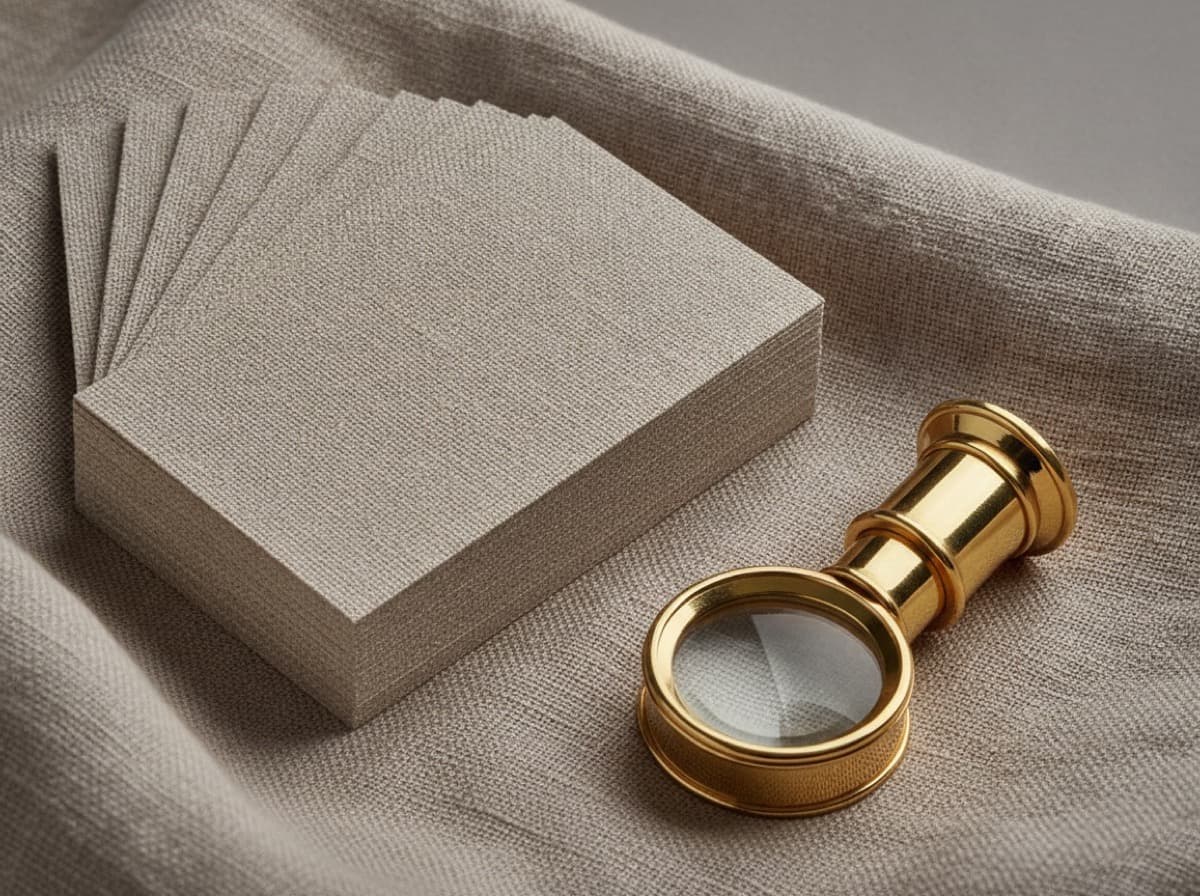
Linen Texture Business Cards Paper Finish Guide to Textured and Specialty Stock Card Printing
Textured business card stocks — linen, felt, laid, cotton, and specialty tactile finishes — add a physical dimension to the business card experience that smooth digital prints cannot replicate. When someone holds a linen-textured card, the tactile sensation communicates craftsmanship, quality, and attention to detail before they've read a single word. This guide covers every major textured business card stock option and how texture affects print quality, design choices, and the impression your card makes.
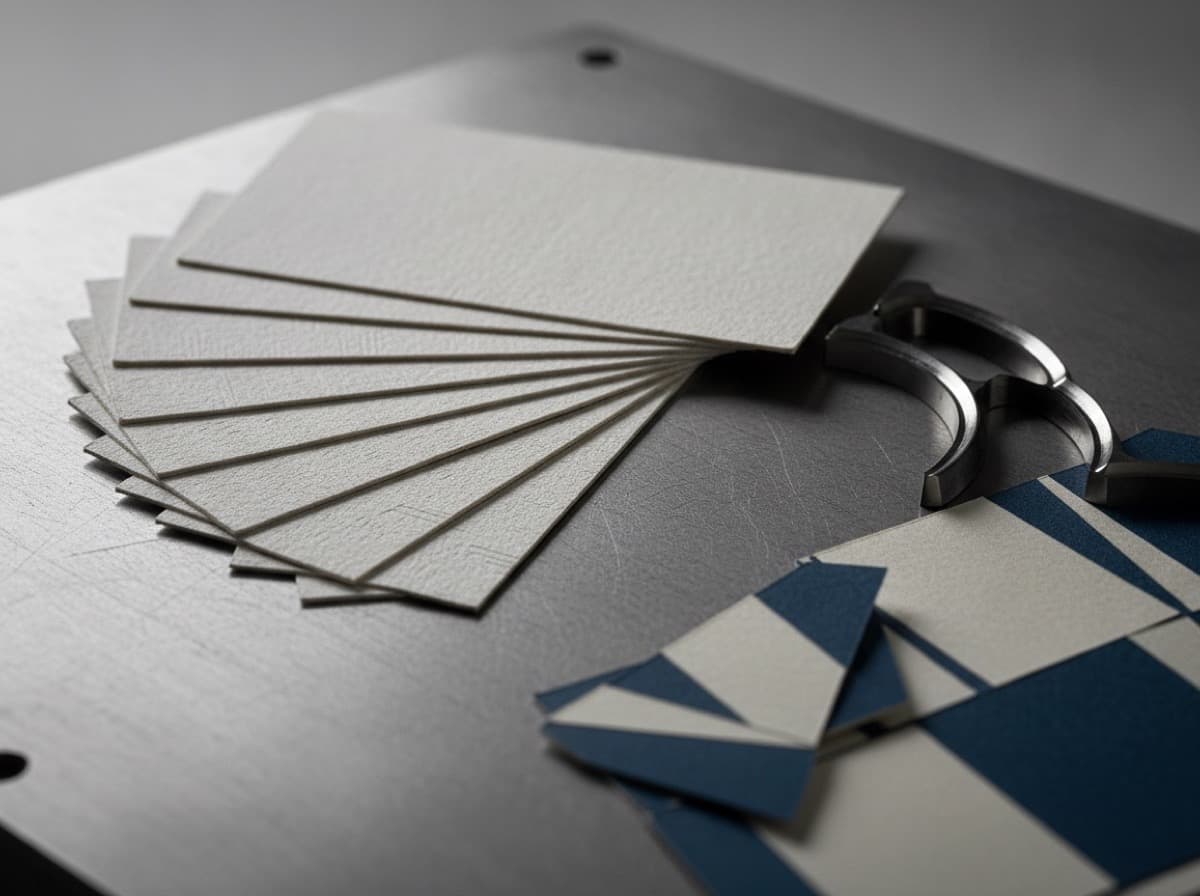
Unique Business Card Shapes and Sizes A Complete Guide to Die Cut and Custom Shape Card Printing
While the standard 3.5 x 2 inch business card has dominated professional networking for decades, die-cut shapes, square formats, slim cards, round corners, and custom silhouettes offer an immediate differentiation opportunity — your card shape signals creativity, industry relevance, and commitment to distinctive brand expression before the recipient even reads a word. This guide covers every custom business card shape option, die-cut possibilities, and when non-standard formats create value versus creating logistical headaches.
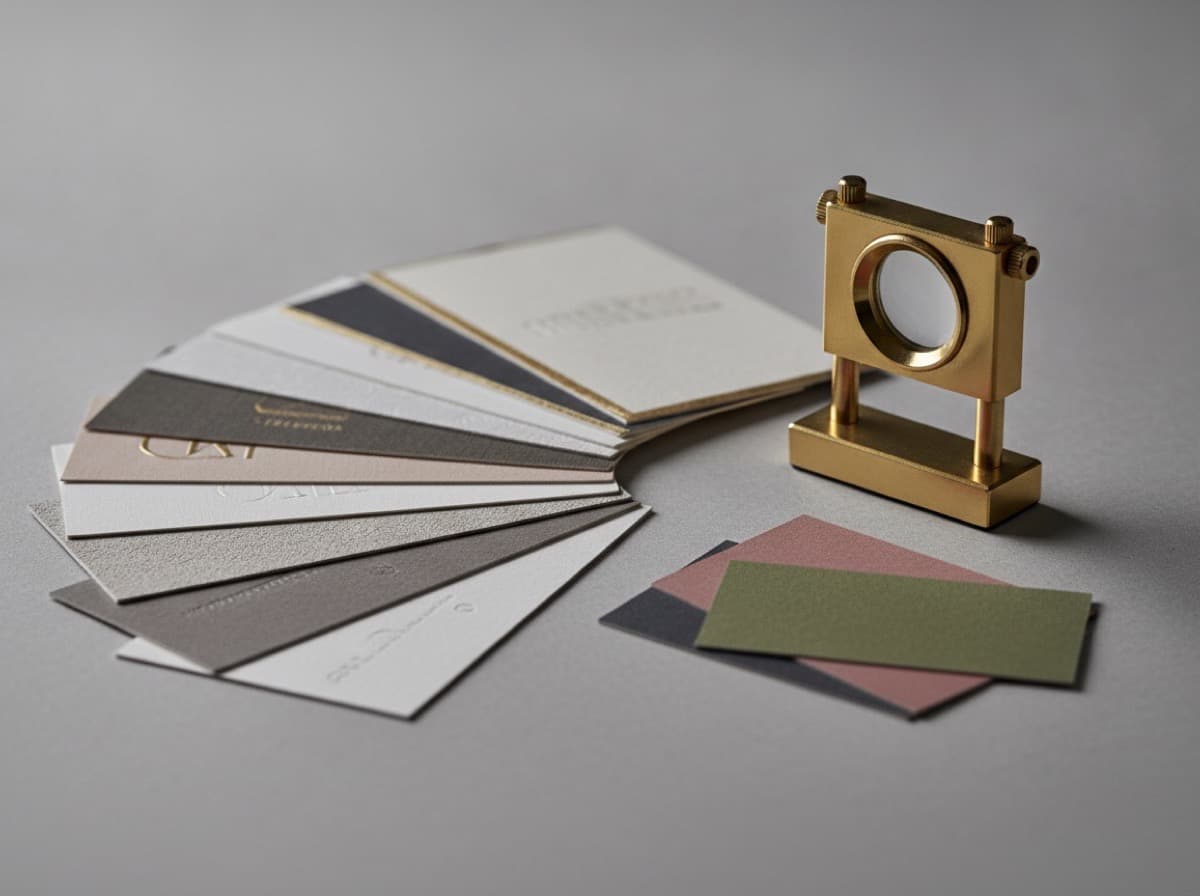
Business Card Color Guide: CMYK, Pantone, RGB and How to Get Accurate Color in Print
Color accuracy is one of the most common disappointments in business card printing — the rich navy on your screen prints as a muddy dark blue, the vibrant orange loses its punch, or the blush pink shifts toward salmon. Understanding why printed colors differ from screen colors, how to design in CMYK, when to use Pantone spot colors, and how to proof accurately before committing to a full print run will save you from reprints and help you achieve the color results you intend every time.
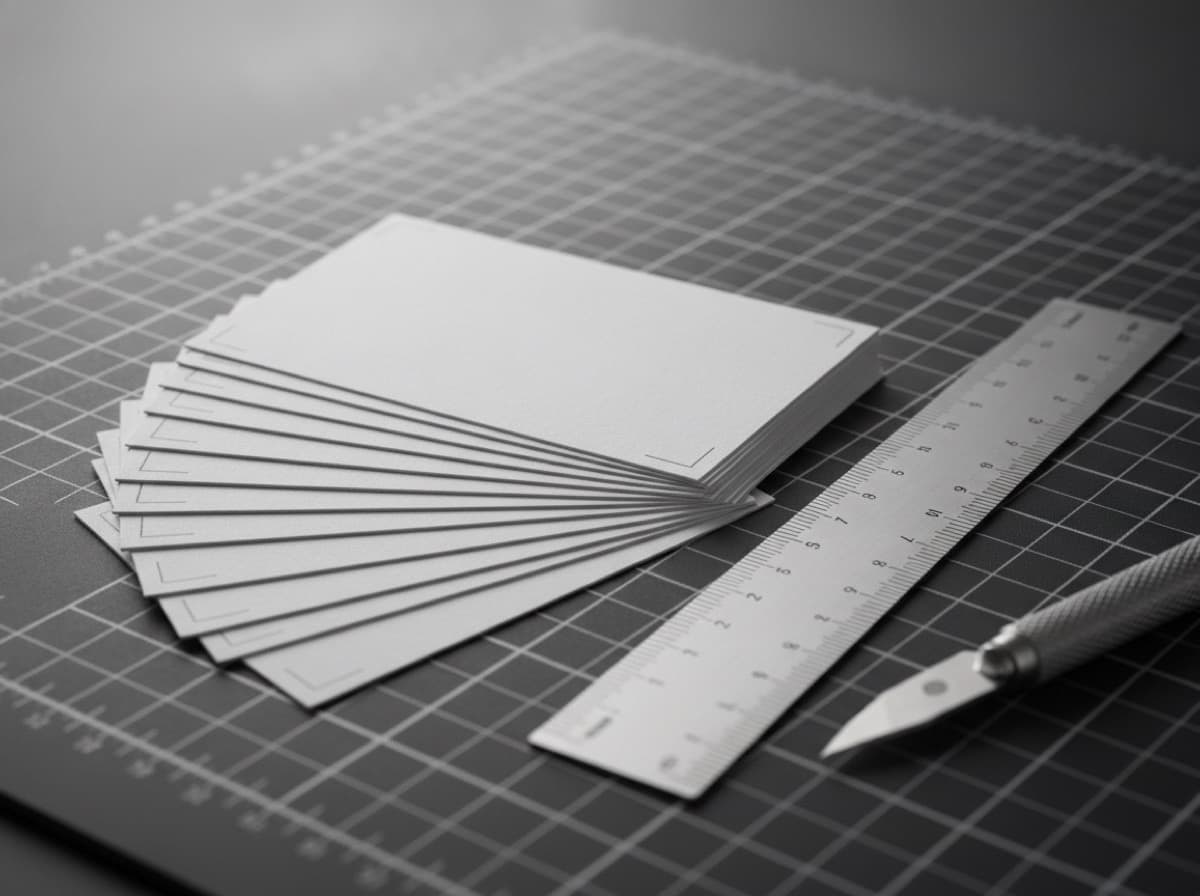
Business Card File Formats Guide: PDF AI EPS Bleed and Print-Ready File Requirements Explained
Submitting the wrong file format or missing the bleed requirement is one of the most common and frustrating business card printing mistakes — resulting in rejected orders, delayed reprints, and cards with white edges cutting through your design. This complete guide explains every file format used in business card printing, what bleed is and why it's required, how to set up your document with the correct bleed and safe zone margins, and how to export a print-ready file from Adobe Illustrator, Photoshop, InDesign, and Canva.
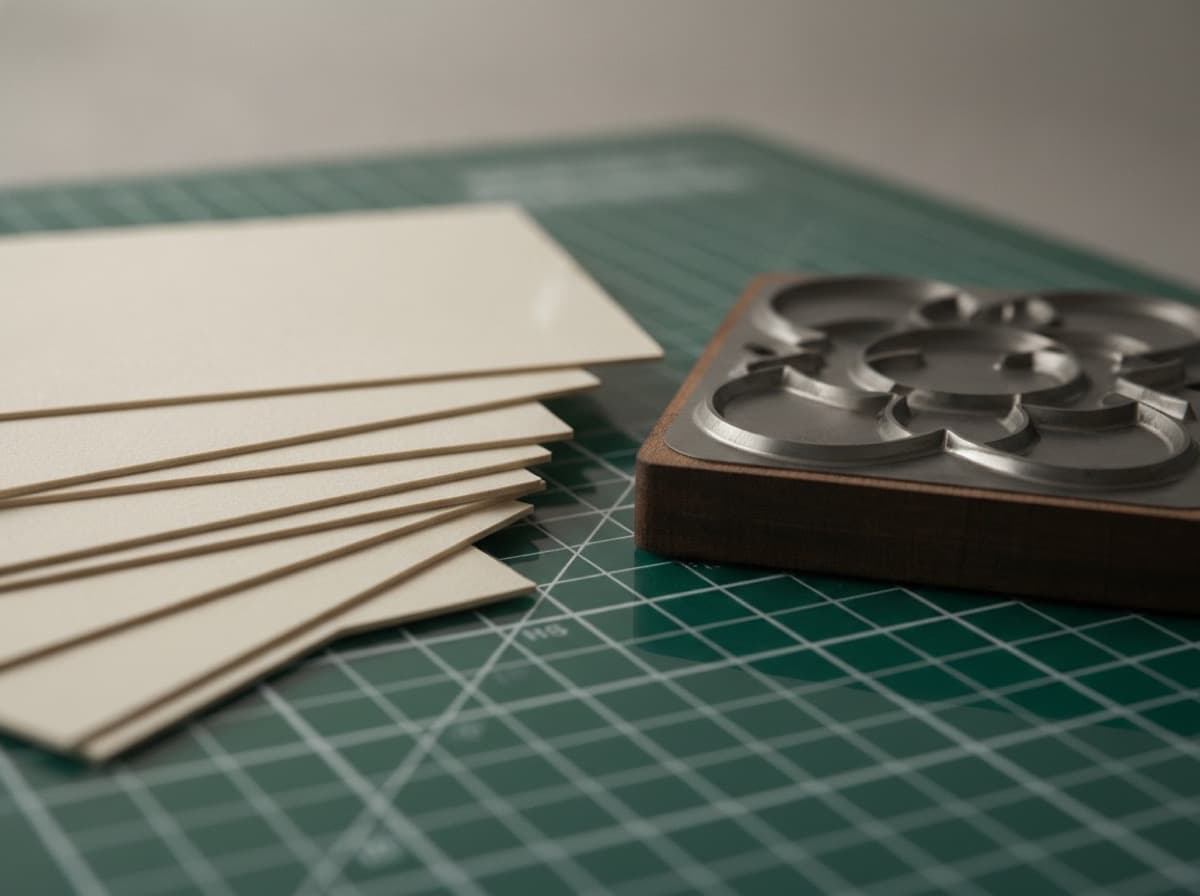
Die-Cut Shaped Business Card Design and Printing Guide for Unique Custom Card Shapes
Die-cut business cards break out of the standard 3.5" x 2" rectangle to create custom shapes — rounded corners, circles, squares, arched tops, custom silhouettes, and intricate die-cut shapes — that make cards memorable, reinforce brand identity, and create the tactile impression that turns a card exchange into a conversation about the design itself. This complete guide covers how die-cutting works, common shapes and custom options, design requirements, paper and finish considerations, cost factors, and when a die-cut card is the right choice for your brand.
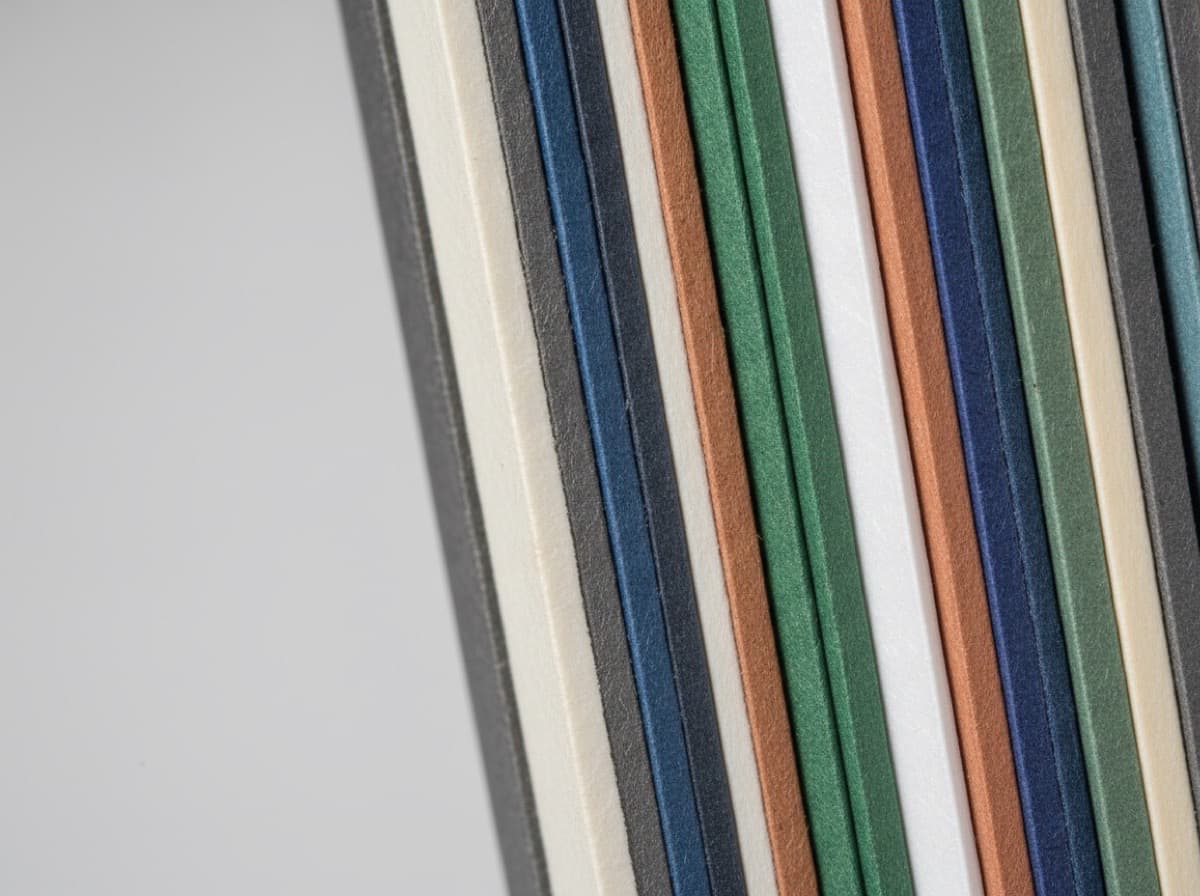
Business Card Paper Weight Guide: Understanding 14pt, 16pt, 18pt, 32pt and Paper Stock Options
Paper weight and thickness are among the most important decisions in business card printing — the physical feel of a card communicates as much about your professional brand as the design itself. This guide explains the paper weight system (pt, lb, gsm), what each standard thickness actually feels like, and which weight is right for your printing needs and budget.
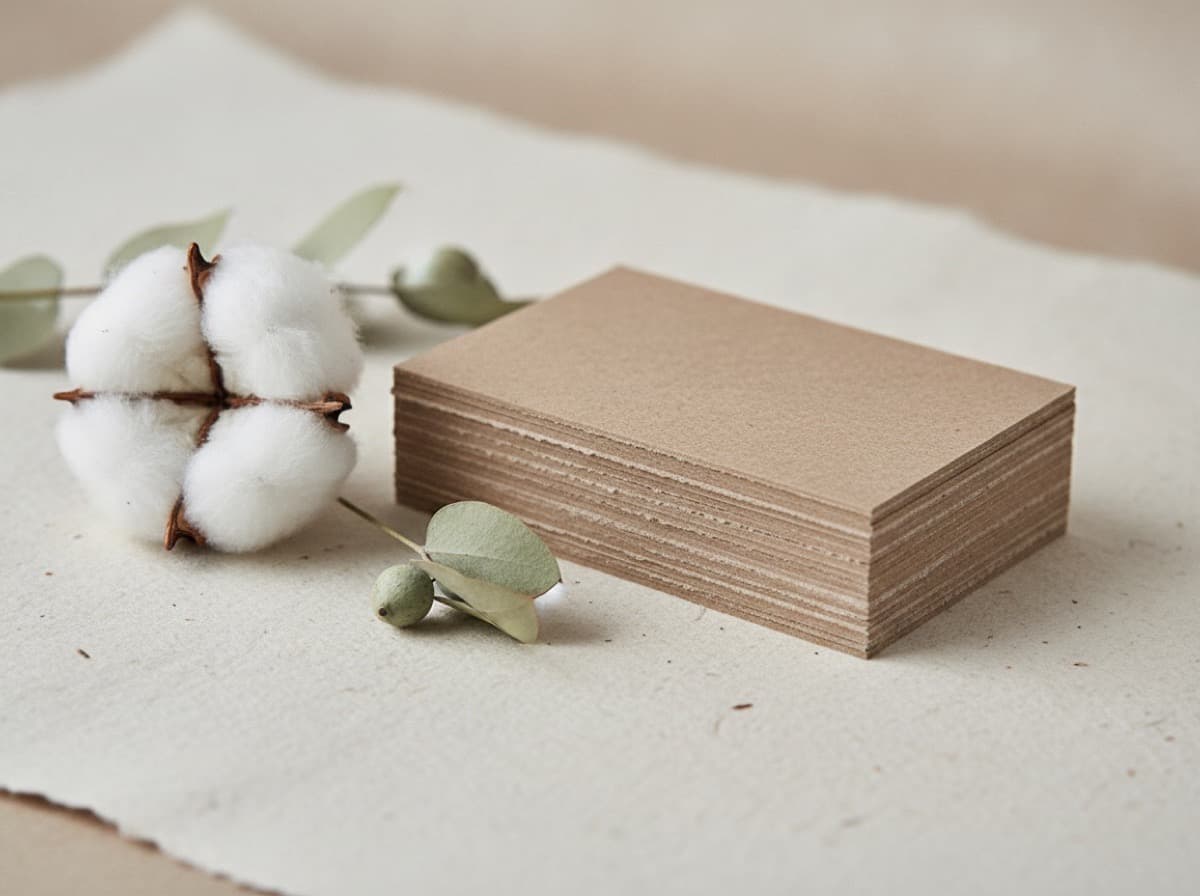
Sustainable and Eco-Friendly Business Card Printing: FSC Certified, Recycled, and Soy Ink Guide
Eco-friendly and sustainable business card options have expanded dramatically — with FSC-certified paper stocks, post-consumer recycled content, soy-based inks, tree-free papers, and biodegradable finishes that let environmentally conscious professionals print high-quality cards without the traditional environmental impact. This guide explains the options, what the certifications mean, and how to choose the most sustainable business card for your values.
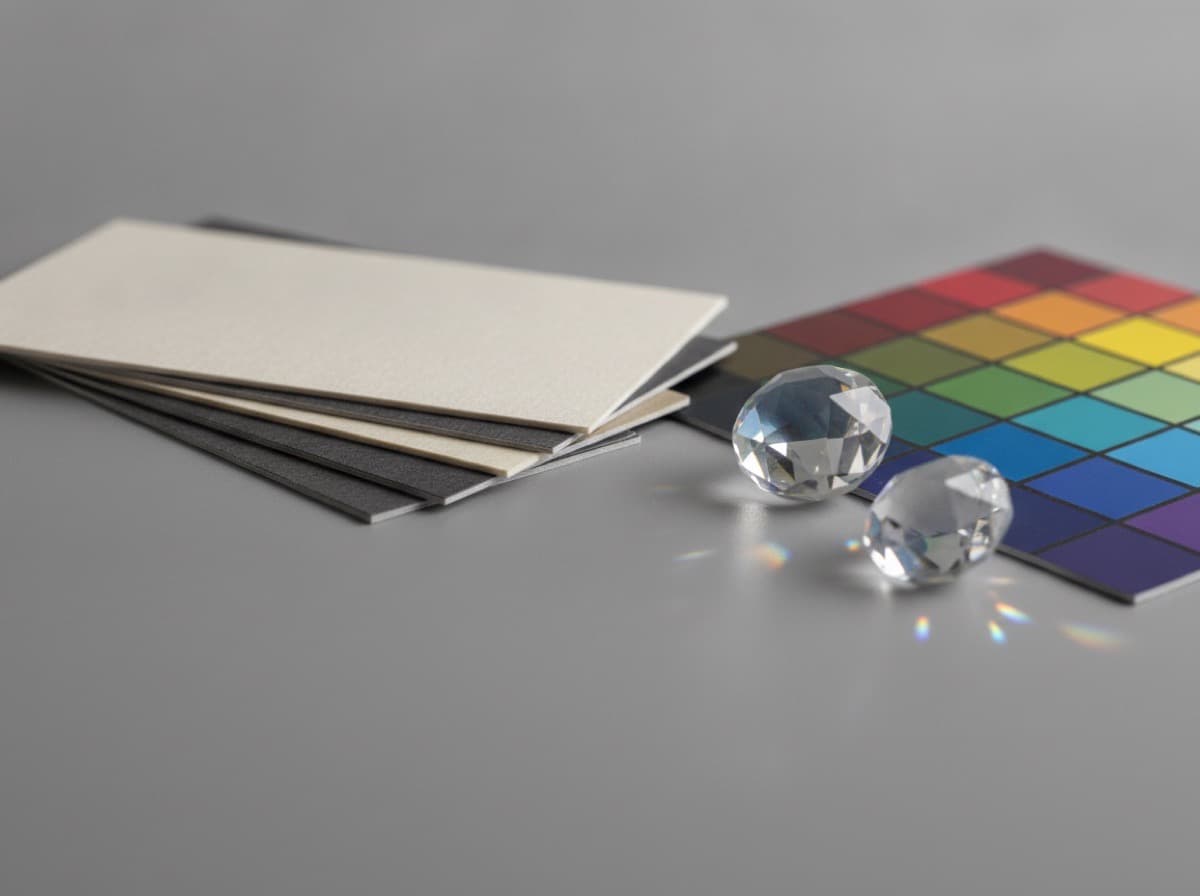
ICC Color Profiles for Printing Business Cards: A Complete Guide to Color Management
ICC color profiles are the invisible technical layer that determines whether the colors you design on screen match what comes off the printing press — and understanding them prevents the most common and frustrating business card printing disappointment: colors that look nothing like what you expected. This guide explains color profiles, what they are, why they matter, and how to properly apply them when preparing print-ready business card files.
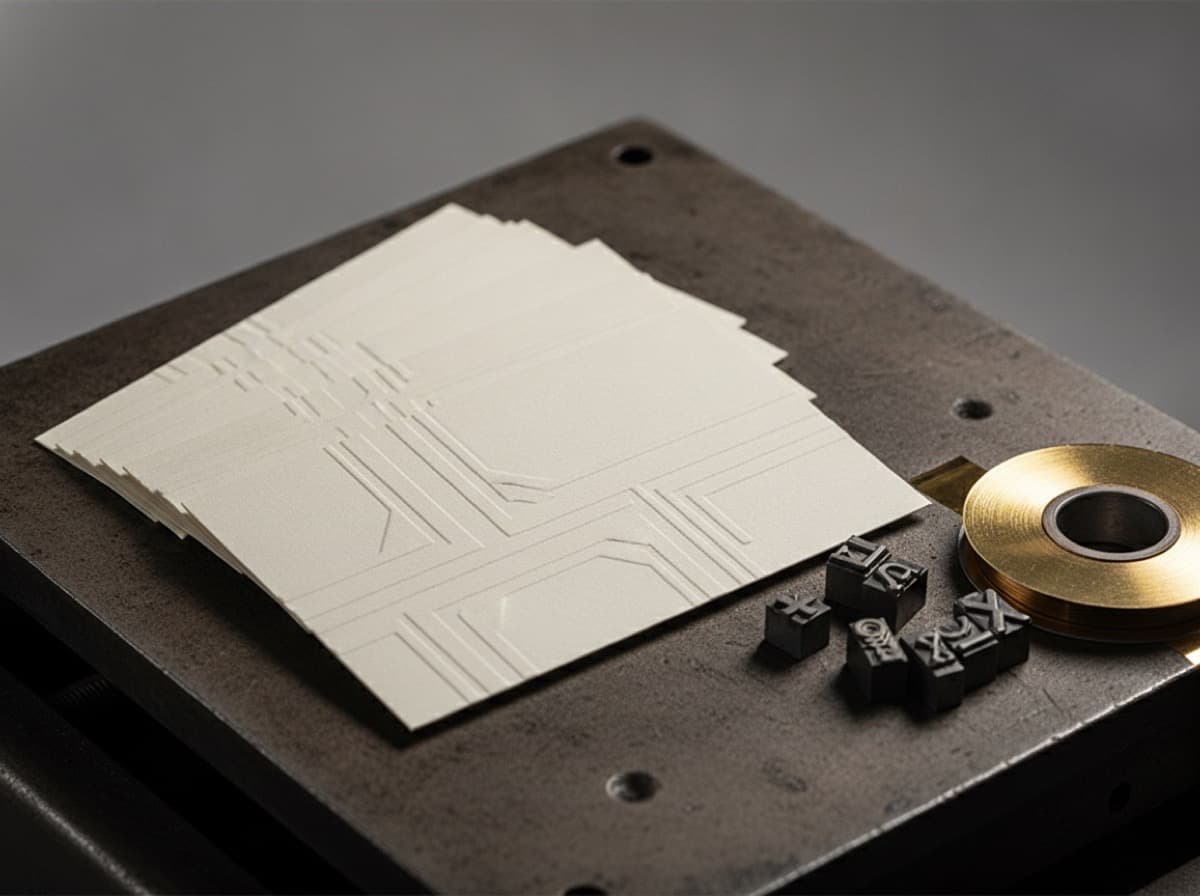
Letterpress and Foil Business Cards: Premium Print Finishing Guide
Letterpress printing and foil stamping are the premium finishing techniques that elevate a business card from printed paper to a tactile, luxury object — creating debossed impressions, metallic foil highlights, and physical texture that immediately communicate exceptional attention to detail. This guide explains how letterpress and foil work, their cost, design requirements, and who benefits most from these premium finishes.
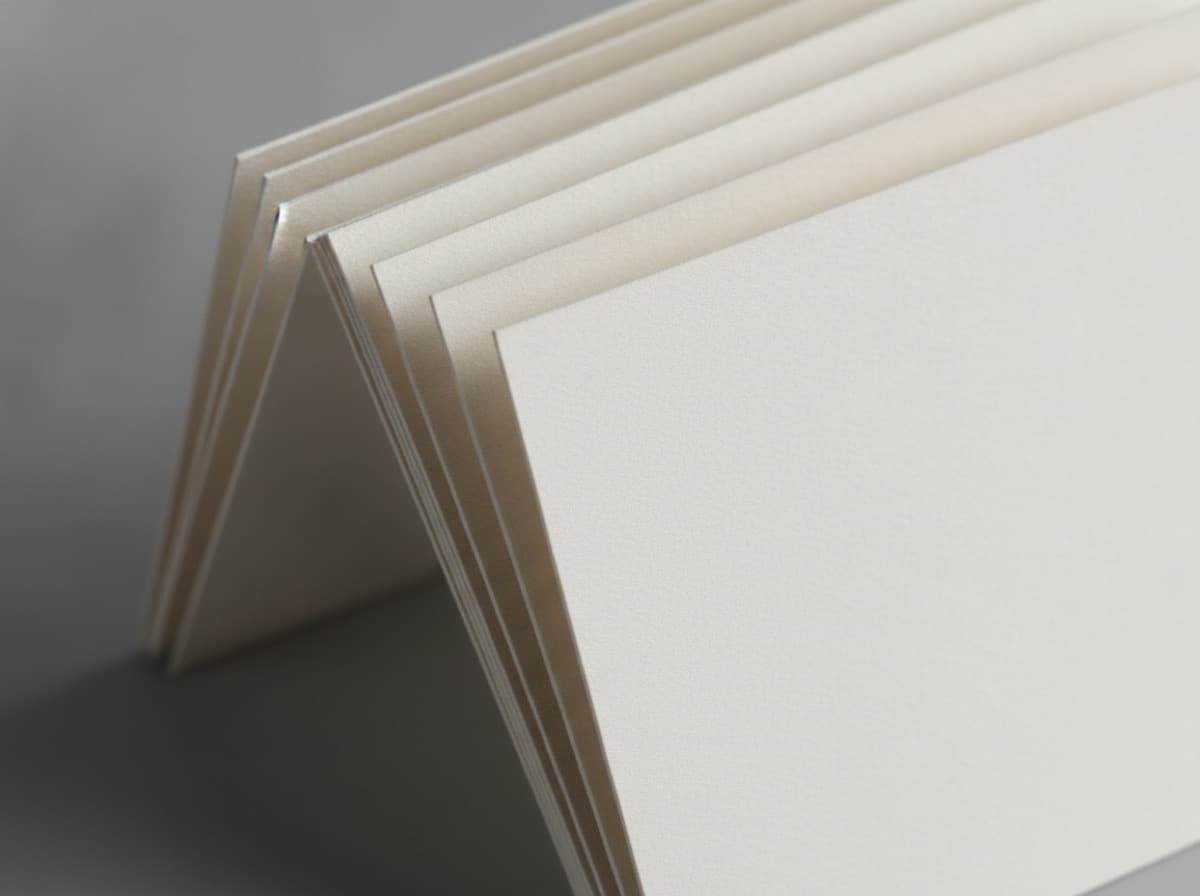
Spot UV Business Cards: Design Guide for Selective Gloss Coating
Spot UV is a print finishing technique that applies a clear high-gloss coating selectively to specific areas of a card — creating a striking contrast between a glossy highlighted element and a matte base. This guide explains how spot UV works, how to design for it, what it costs, and when it makes your card significantly more memorable.
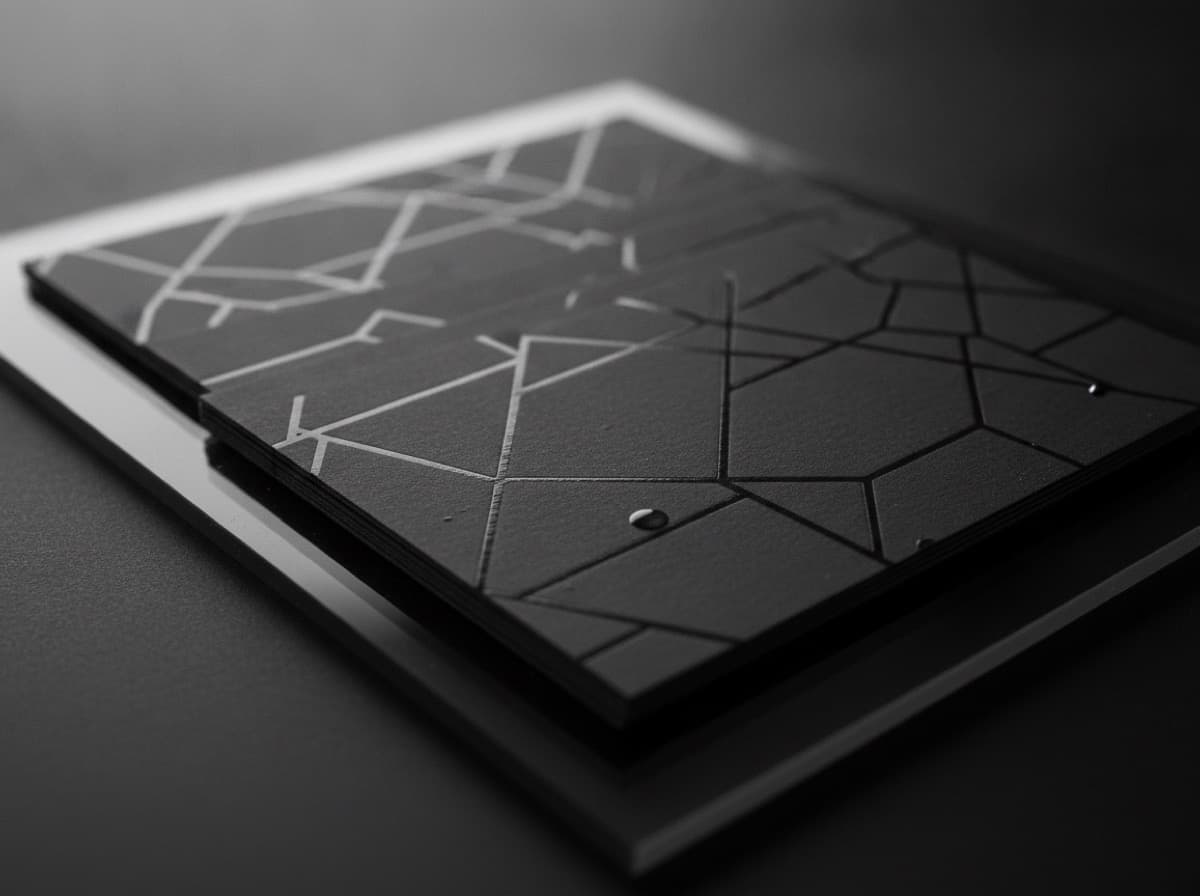
Spot UV Business Cards: A Guide to Selective Gloss Coating on Matte Cards
Spot UV coating selectively applies a high-gloss varnish to specific elements of a matte-laminated business card — creating a striking contrast between the ultra-matte surface and the glossy highlights that catches the eye and makes cards feel as premium as they look. This guide explains how spot UV works, what to highlight, design pitfalls to avoid, and how to prepare files for spot UV printing.
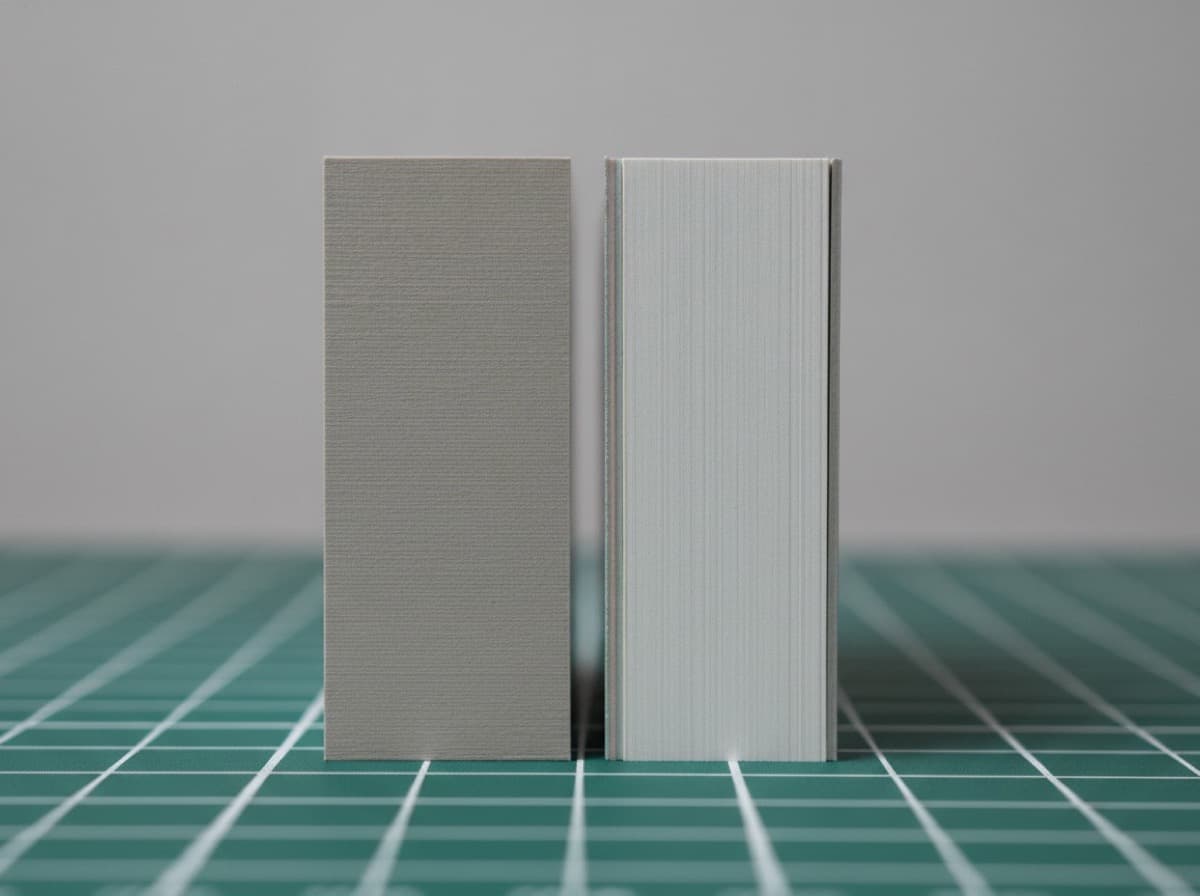
Business Card Paper Stock Guide: 14pt, 16pt, and 32pt Thickness Explained
Business card paper stock — the thickness and material of the card itself — affects everything about the physical impression your card makes. This guide explains the differences between 14pt, 16pt, 18pt, and 32pt card stock, what the 'pt' measurement means, how different paper stocks compare in feel and durability, and which thickness is right for your goals.
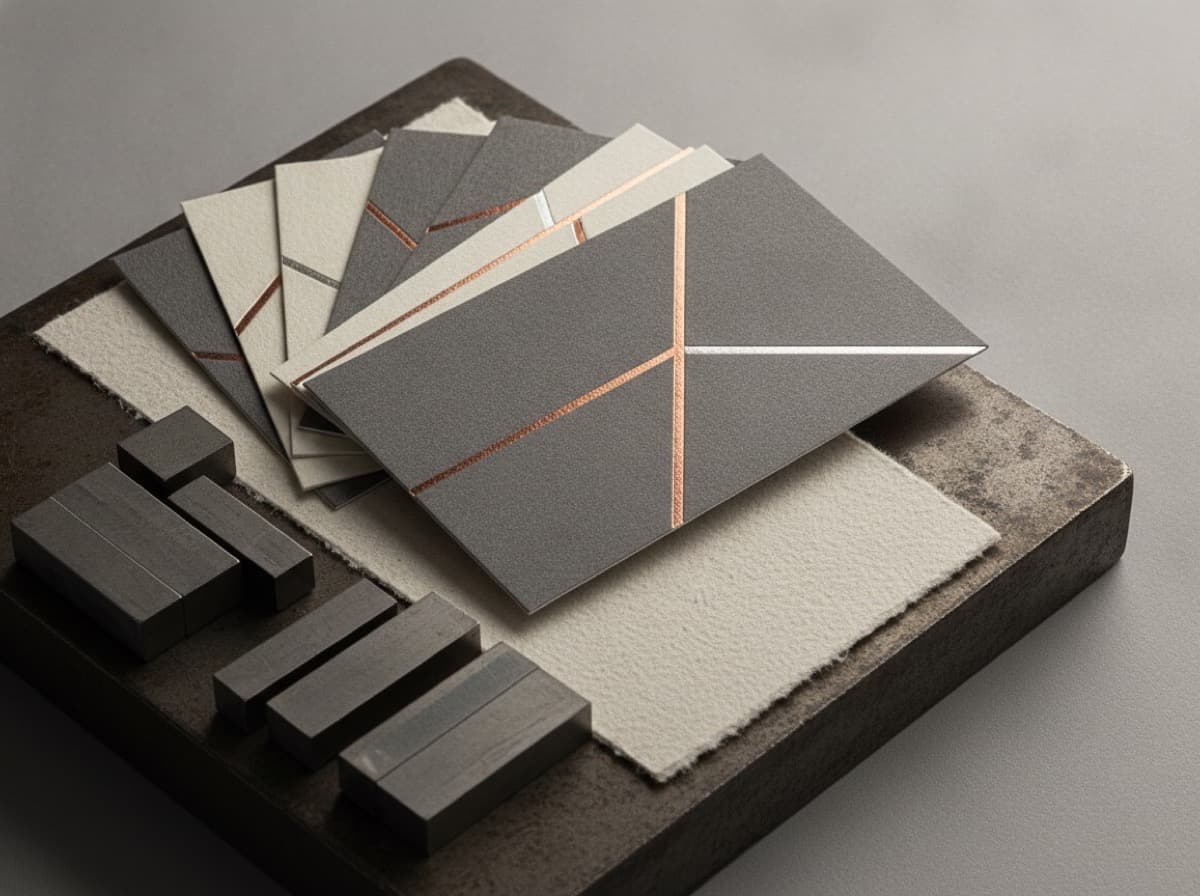
Embossed, Debossed, and Letterpress Business Cards: A Premium Finishing Guide
Embossing, debossing, and letterpress printing add tactile dimension to business cards through physical impression rather than ink — creating raised or recessed text and design elements that recipients feel as well as see. These premium finishing techniques signal craft, quality, and premium positioning in a way that standard printed cards cannot replicate.

CMYK vs RGB Color Guide for Business Card Printing
CMYK and RGB are two different color models that determine how colors are produced — RGB for screens and digital displays, CMYK for printing. Understanding the difference between CMYK and RGB prevents the most common color shift problem in business card printing: the card arrives looking duller or slightly different in hue than it looked on screen during design.
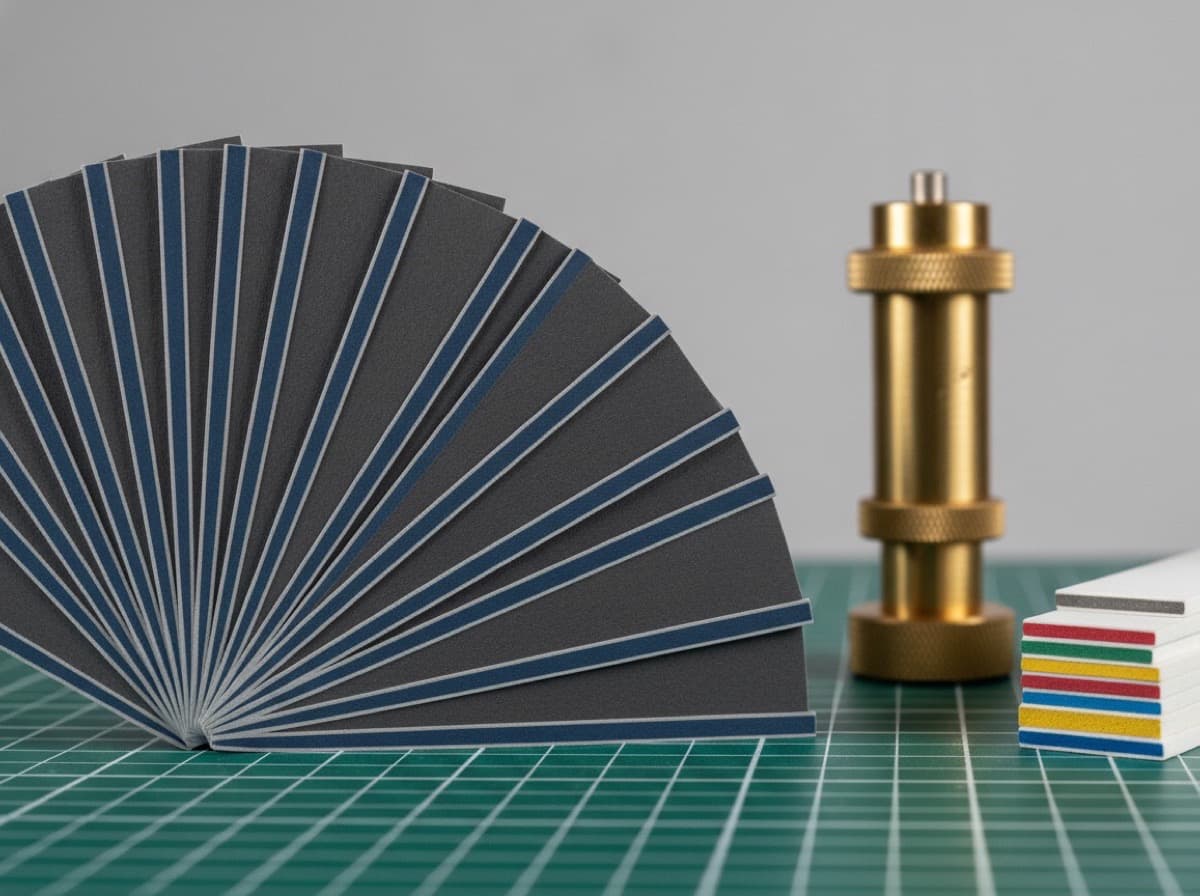
Business Card Paper Stock and Weight Guide: Choosing the Right Card Stock
The paper stock you choose for your business card determines how the card feels in hand — and that tactile experience communicates as loudly as the design. This guide explains card stock weight (14pt, 16pt, 32pt), finishes (matte, glossy, soft touch, UV), and specialty stocks (kraft, cotton, plastic, metal) so you can choose the right stock for your brand.
Business Card Paper Stock Guide: Coated, Uncoated, Silk, and Specialty Stocks
The paper stock you choose for your business cards affects everything — how they look, how they feel in hand, whether they accept handwriting, how colors reproduce, and the brand impression they leave. This guide explains the main business card paper stocks: gloss coated, matte coated, silk/satin, uncoated, and specialty stocks like cotton, kraft, and soft-touch laminate.

Print File Preparation Guide: Bleed, Trim, Safe Zone, and Resolution for Business Cards
Getting your business card file specifications right before you send to print is the single most important step in ensuring your cards come out exactly as intended — avoiding white edges on colored backgrounds, cut-off text, or blurry logos. This guide covers bleed, trim, safe zone, resolution, color mode, and file format requirements for business card printing.
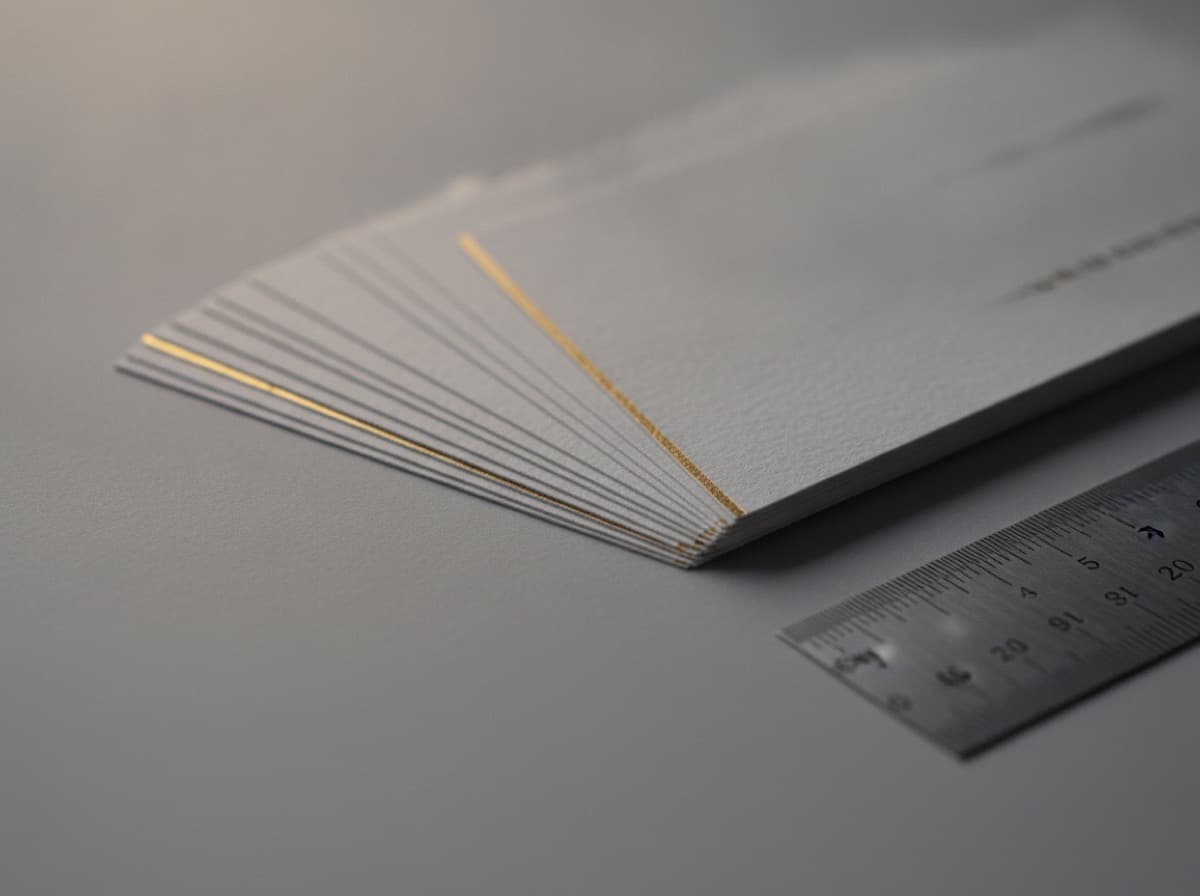
Standard Business Card Sizes: US, European, Square, and Mini Card Dimensions
Business cards come in different standard sizes depending on the country, industry, and creative intent — from the US standard 3.5 × 2 inches to the European CR80 to square cards and mini cards. This guide explains every standard card size, how to choose the right dimensions for your use case, and the design considerations that change at different card sizes.
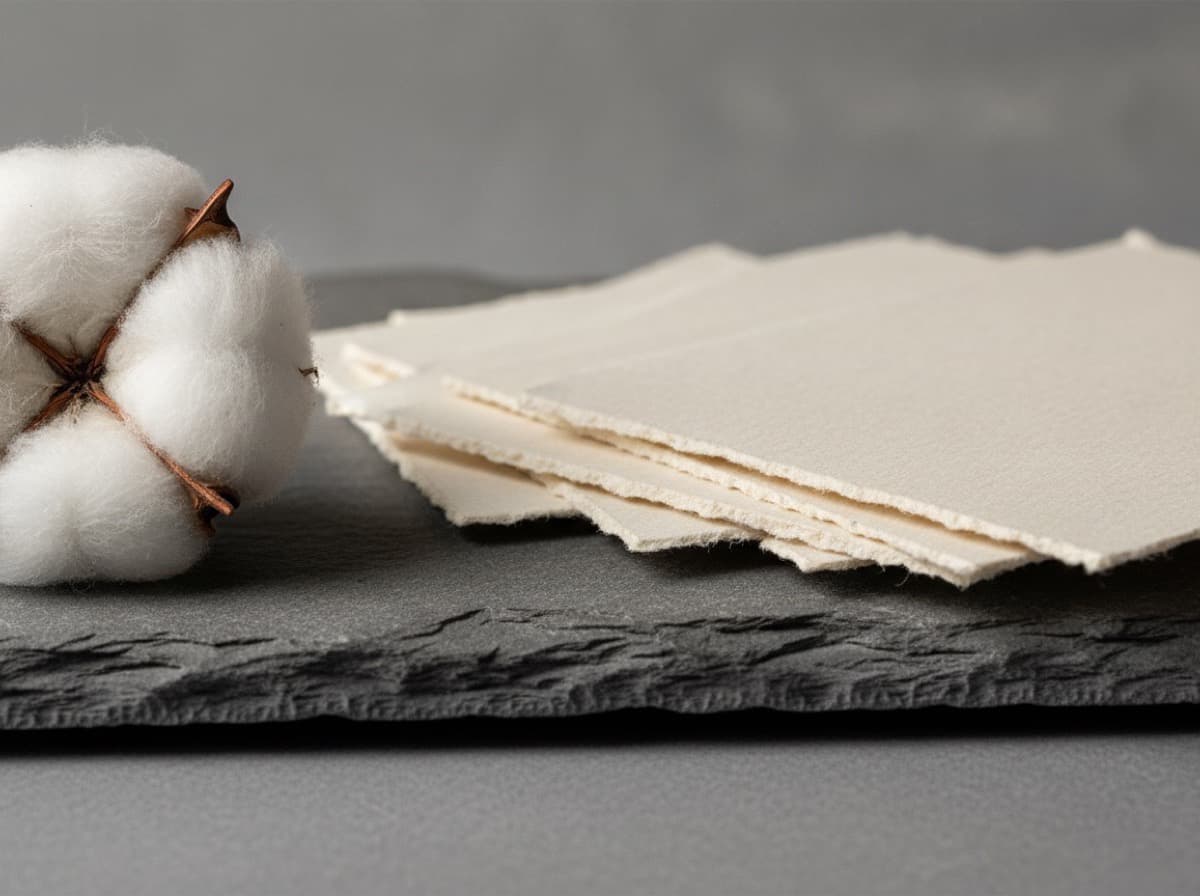
Cotton Paper vs. Synthetic Paper vs. Standard Stock: Business Card Material Guide
The paper stock of a business card is the first thing people feel before they read a word — it's the physical promise of your brand quality. This guide compares cotton paper, synthetic plastic card stock, silk-laminated stock, and standard cardstock across durability, texture, printability, and the impression each creates.
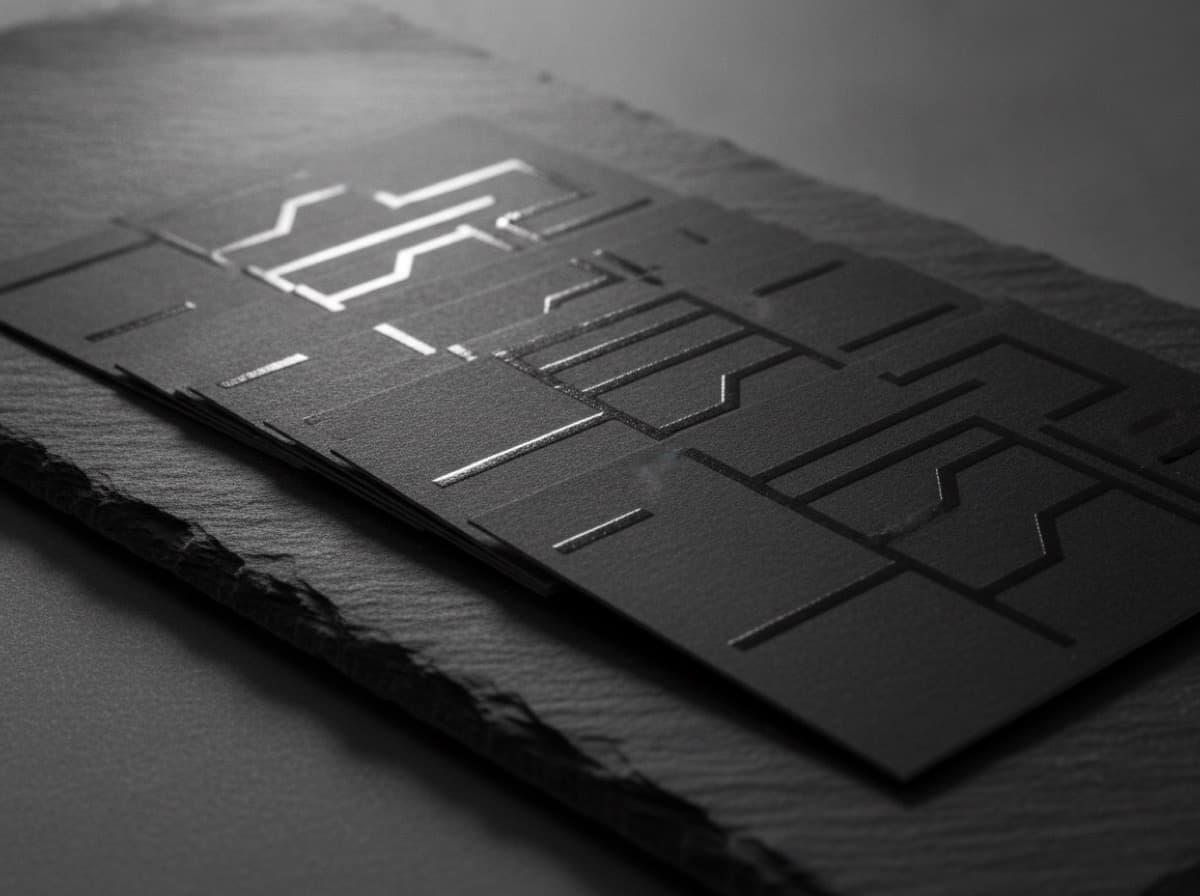
UV Spot Coating and Special Finishes Guide for Business Cards
UV spot coating, foil stamping, embossing, debossing, and soft-touch lamination are the special printing finishes that elevate a business card from paper to tactile experience. This guide explains each finish, when to use it, and how to design for special finishes so your ProCardCrafters order delivers the exact premium effect you're envisioning.
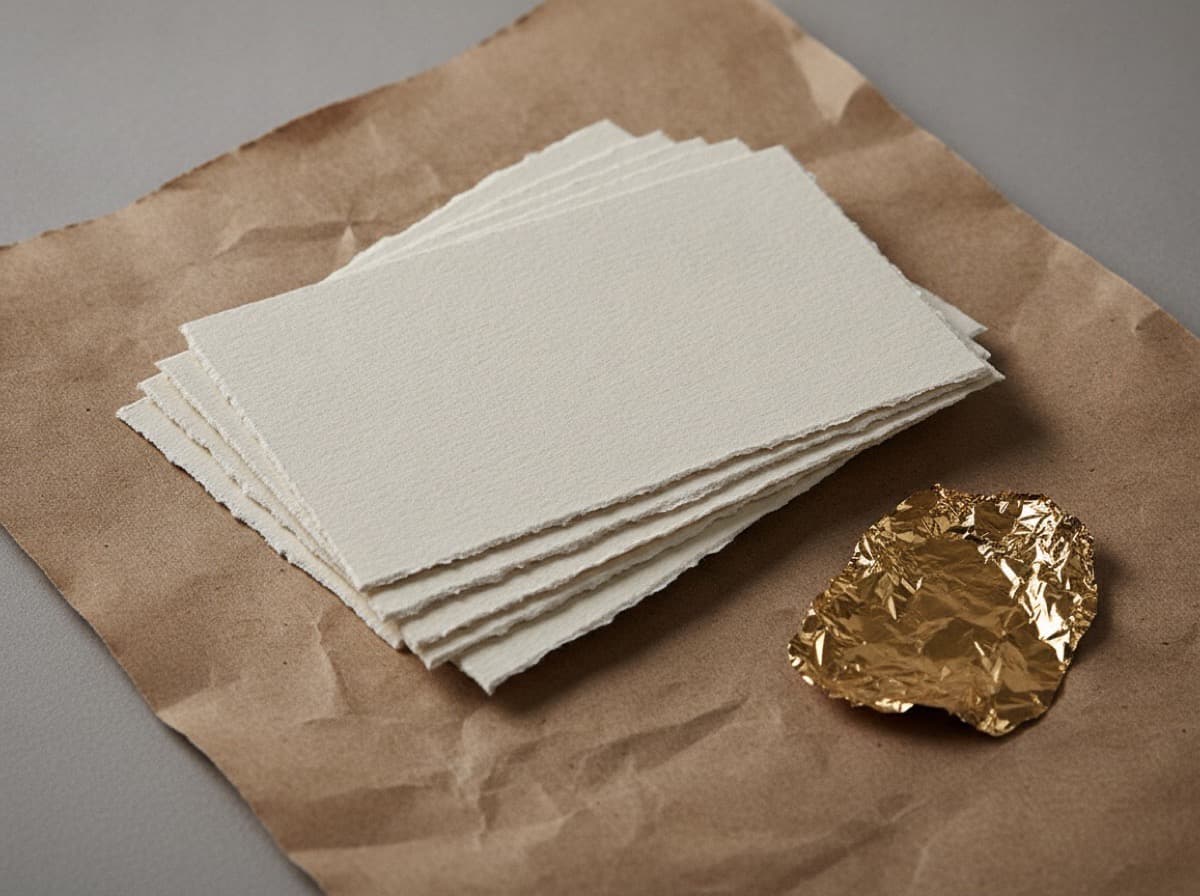
Metallic, Kraft, and Textured Paper Stocks for Business Cards: A Material Guide
The paper stock you choose for your business card is a physical, tactile communication — it tells someone about your brand before they read a word. Standard coated stocks are reliable and professional, but metallic, kraft, linen, cotton, and recycled stocks communicate specific things about your business philosophy and aesthetic. This guide explains each specialty stock and who it's right for.
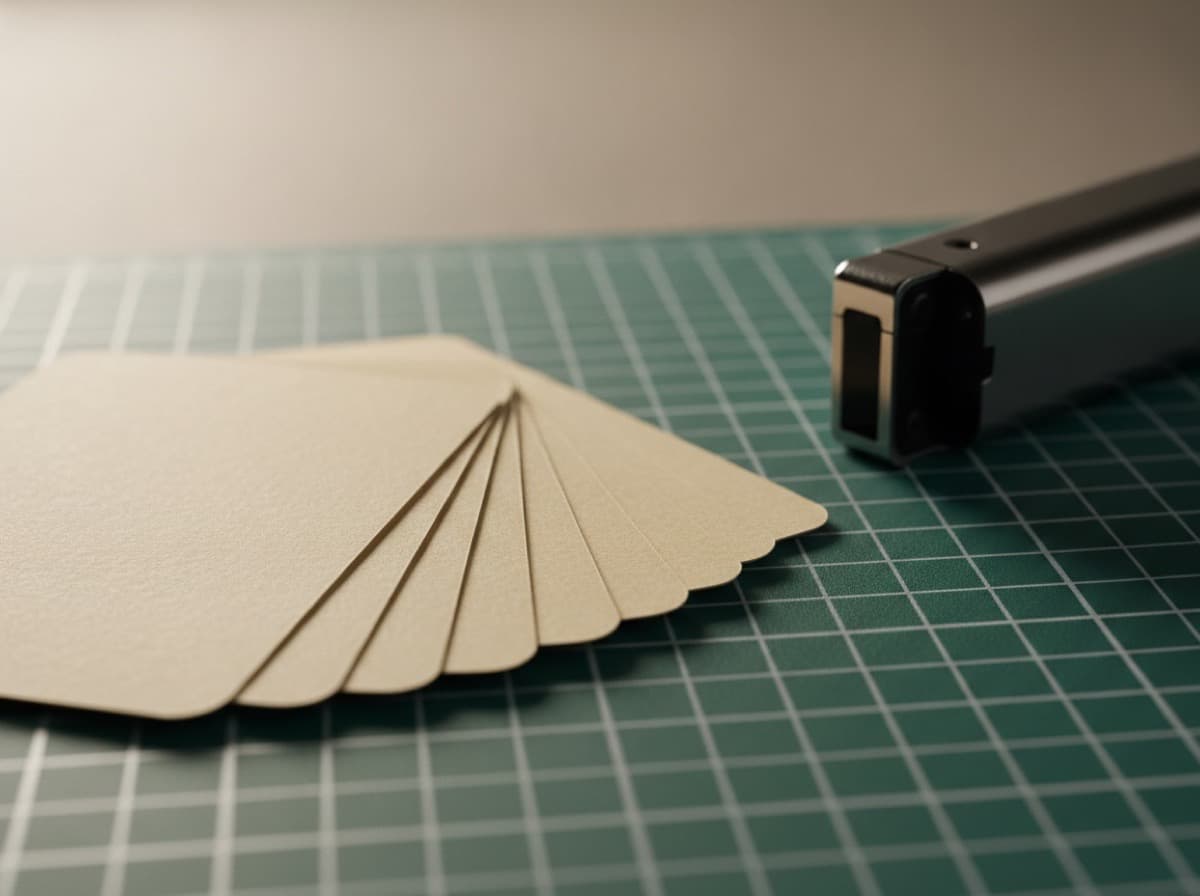
Rounded Corners and Special Finishes: Premium Business Card Options Explained
Beyond paper weight and matte vs. glossy, business cards offer a range of special finishes and shape options that dramatically elevate perceived quality. Rounded corners, spot UV, foil stamping, edge painting, embossing, and die-cutting turn a standard card into a tactile, memorable object. This guide explains each option, the cost and trade-off involved, and which finish best matches your professional context.
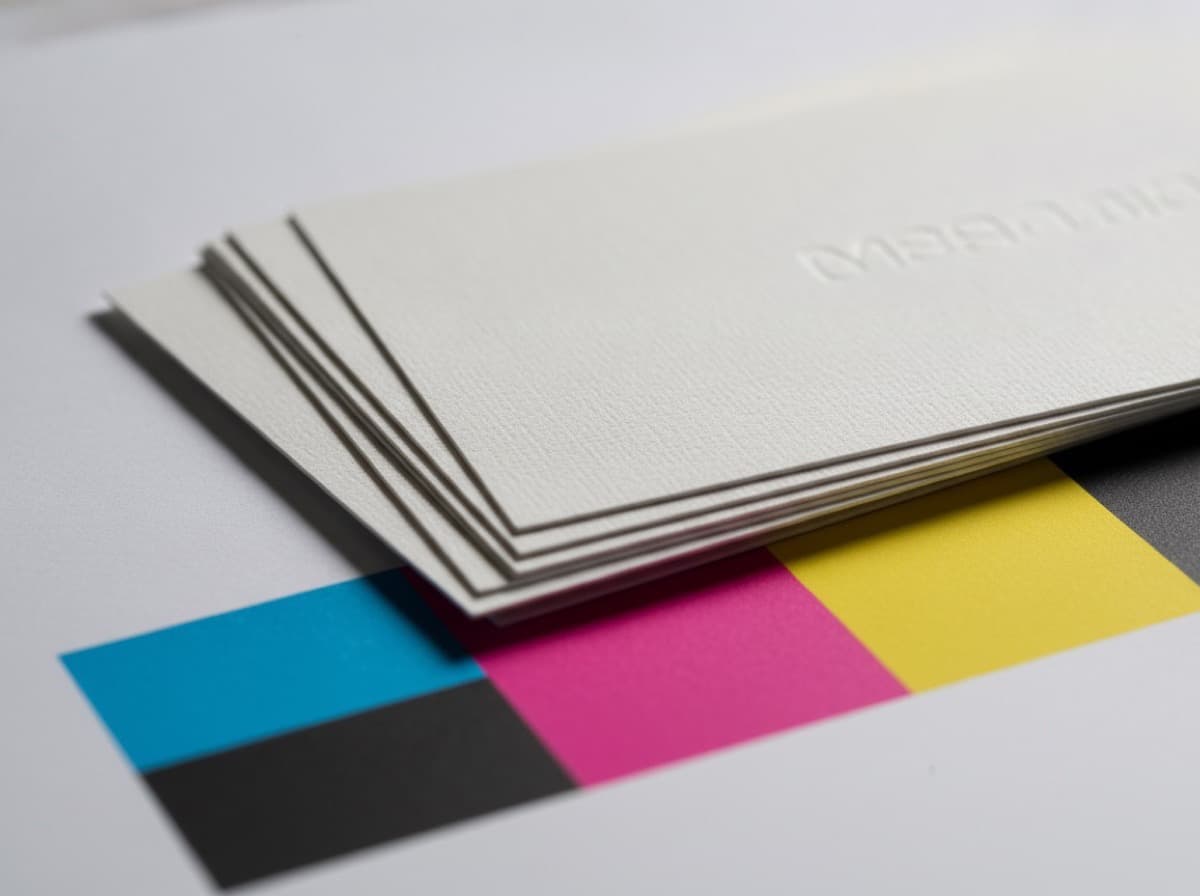
CMYK vs. RGB: Why Your Business Card Colors Must Be Set Correctly Before Printing
CMYK and RGB are two fundamentally different color systems — one for printing, one for digital screens. Sending an RGB file to a commercial print shop without converting it first will produce dull, muddy colors that look nothing like what you saw on your monitor. This guide explains exactly what CMYK and RGB are, why the difference matters for business card printing, and how to set up your file correctly from the start.
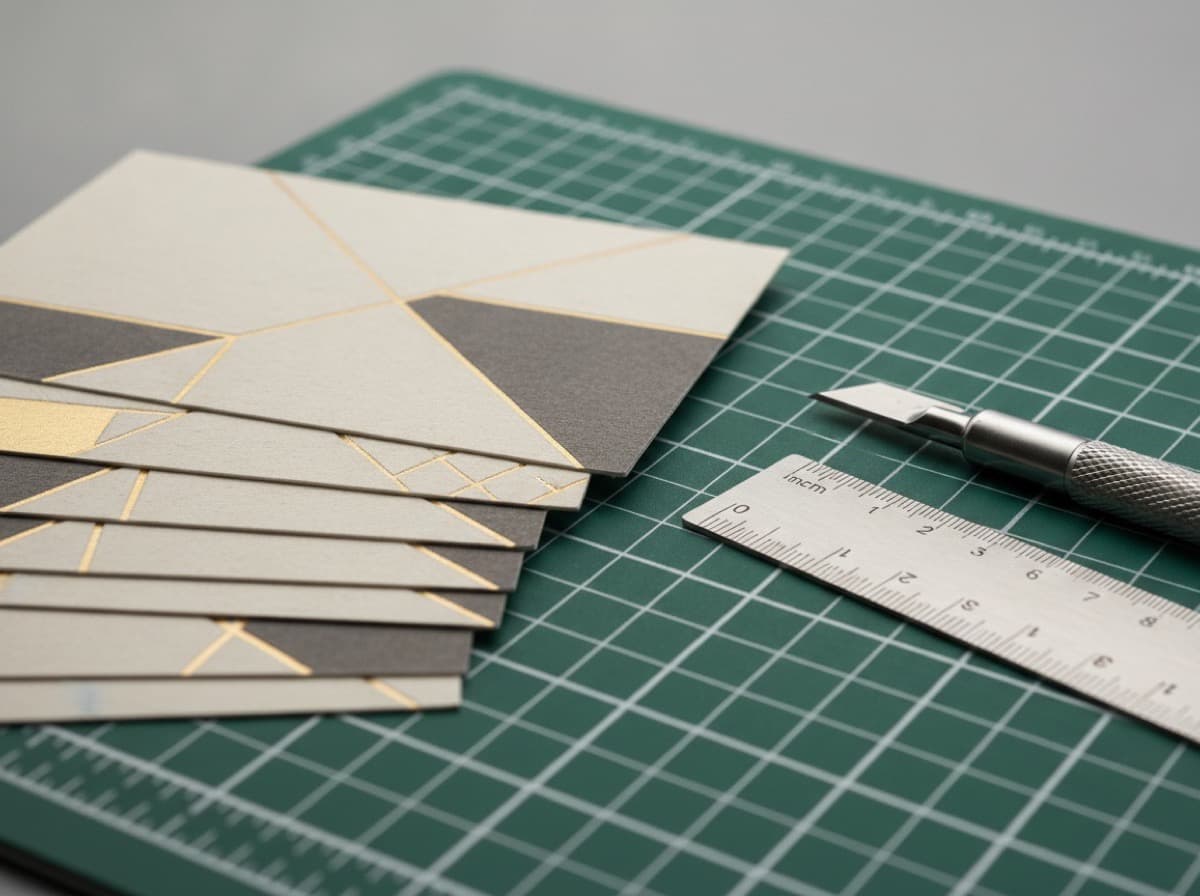
Business Card Bleed and Safe Zone: How to Set Up Your Card File for Printing
Bleed and safe zones are the technical print specifications that prevent your business card from having white borders where there shouldn't be any, or from having text cut off at the edge. This guide explains what bleed and safe zones are, why they matter, and exactly how to set them up in your design software.
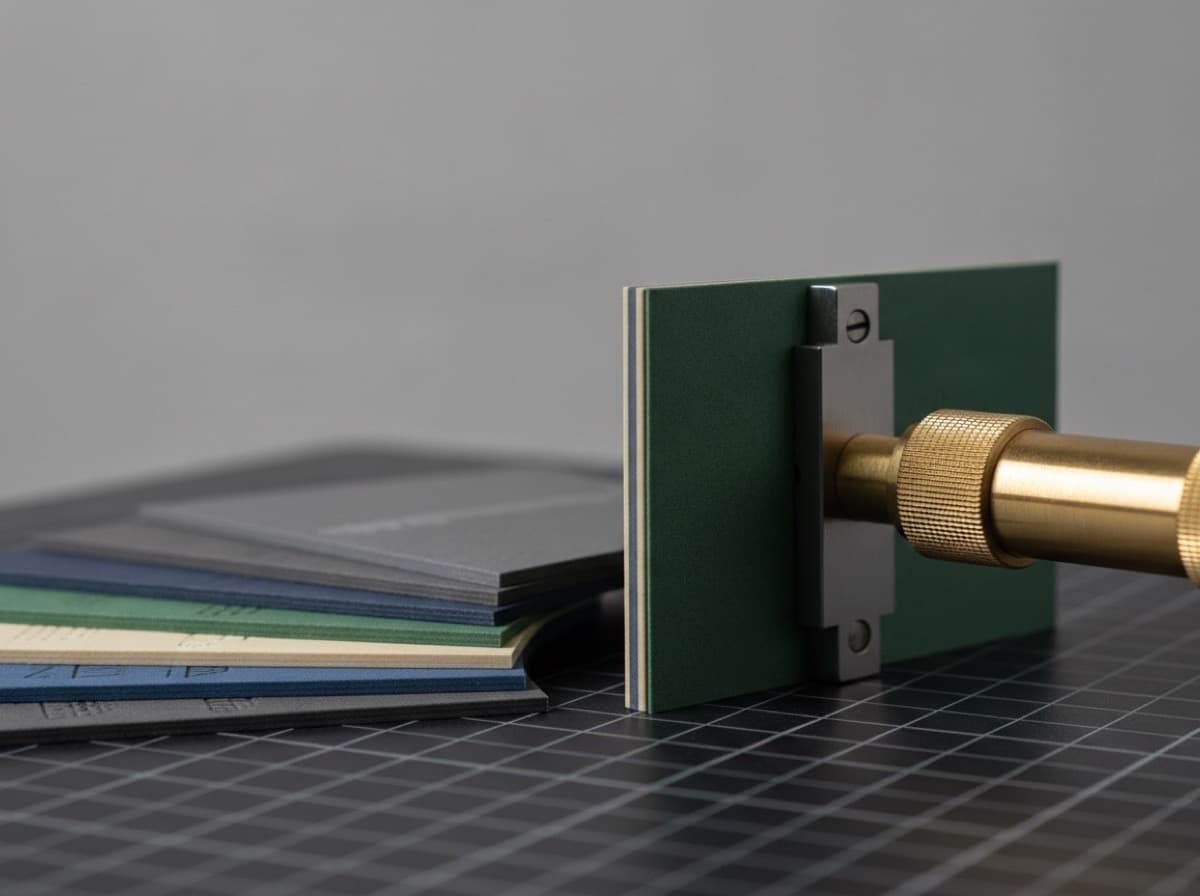
Business Card Paper Weight and Thickness: Choosing the Right Card Stock
Paper weight and thickness are the tactile foundation of your business card — what recipients feel when they hold it in their hand, and a significant signal of your brand's quality and professionalism. This guide explains card stock weights, the difference between point and pound measurements, and how to choose the right thickness for your professional context.
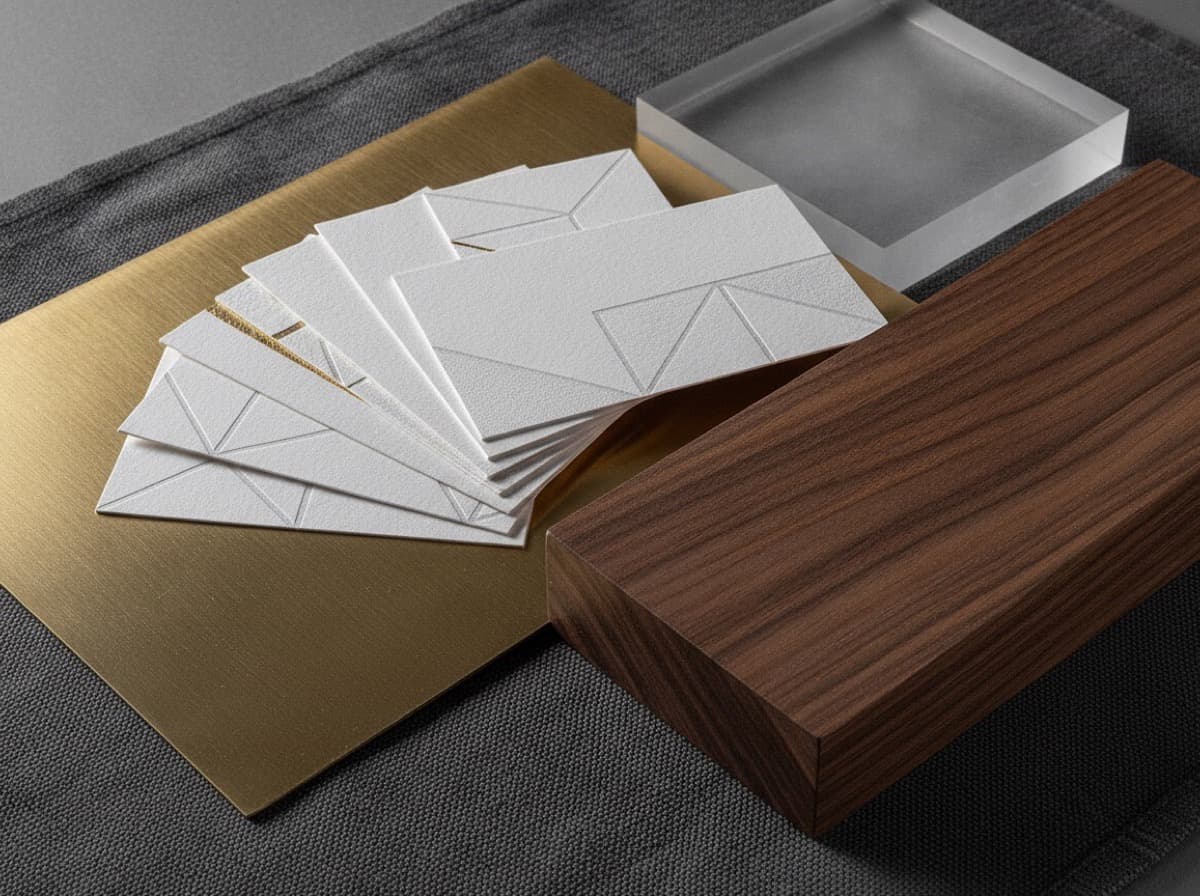
Luxury Business Card Materials: Metal, Wood, Plastic, and Premium Paper Options
Luxury business cards made from metal, wood, translucent plastic, and ultra-thick premium paper leave an unforgettable tactile impression. This guide covers every luxury material option — costs, capabilities, limitations, and the professions and brands for which each material makes the strongest statement.
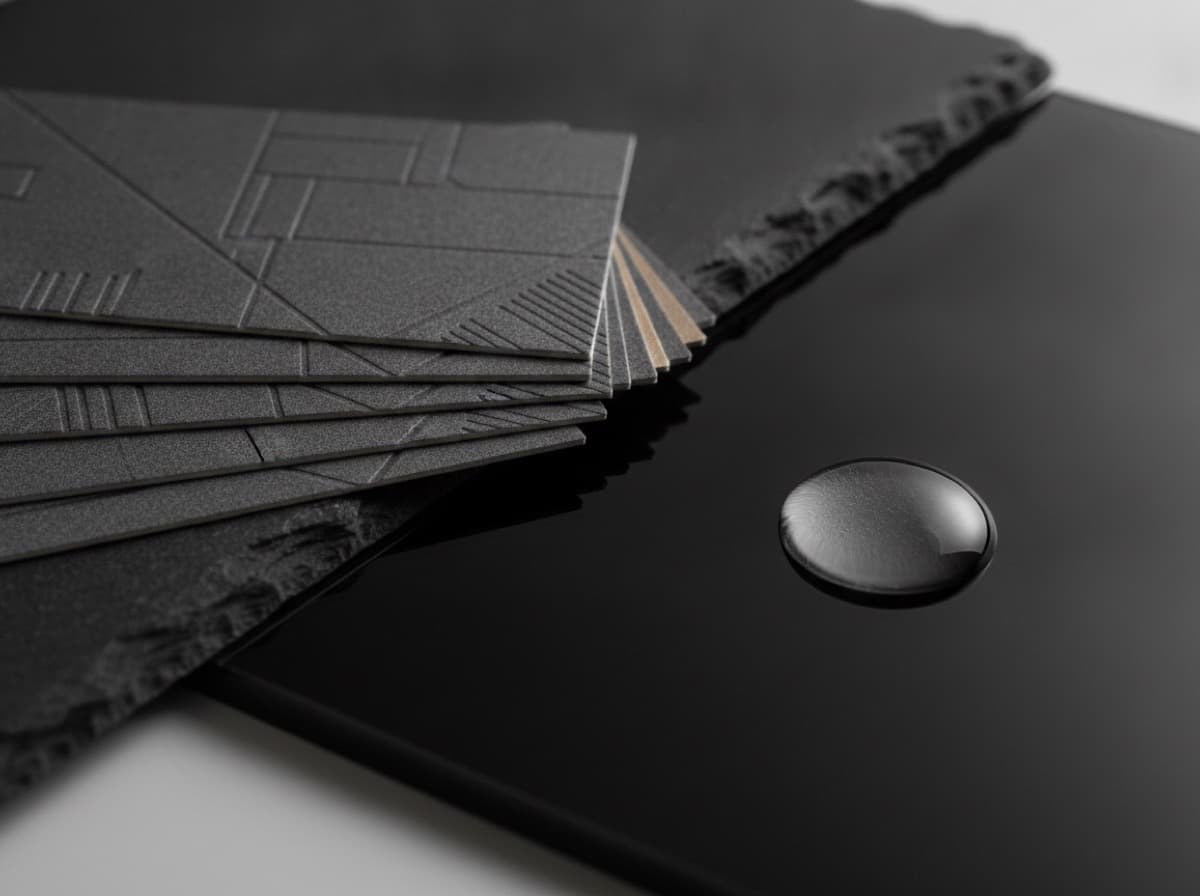
Matte vs. Glossy Business Card Finish: Which Coating Is Right for Your Card?
The finish you choose for your business card fundamentally changes how it looks, feels, and lasts. Matte coatings create a sophisticated, writeable, premium surface. Glossy coatings make colors pop and photos shine with a high-energy luster. This guide explains every finish option so you can choose with confidence.
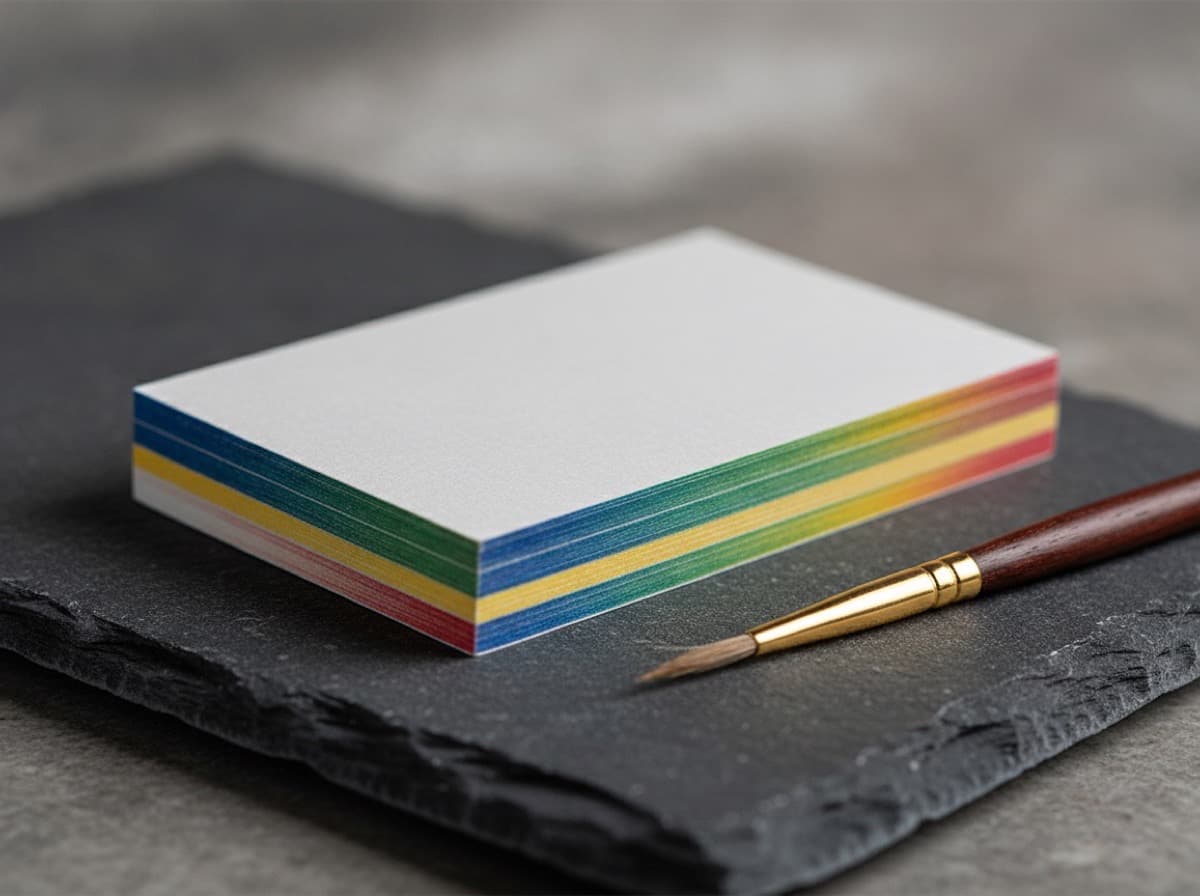
Edge Painted Business Cards: Colors, Techniques, and Design Considerations
Edge painting applies color to the narrow cut sides of business cards, creating a striking visual detail that surprises recipients when they pick up the card. This guide covers edge painting techniques, color selection, card thickness requirements, and which design styles benefit most from painted edges.
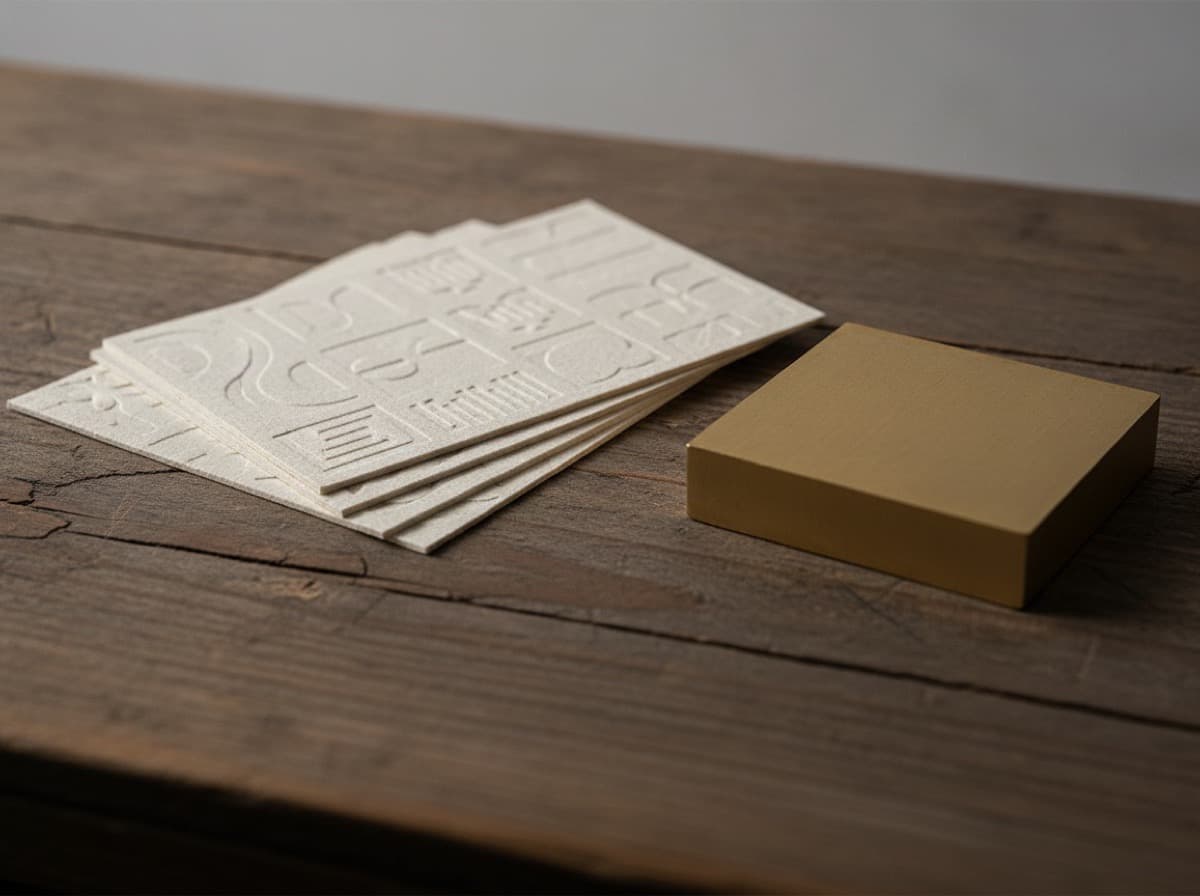
Embossed and Letterpress Business Cards: Techniques, Paper, and Design Guide
Embossing and letterpress are traditional printing techniques that create tactile business cards with depth and physical presence. This guide covers blind emboss, deboss, letterpress printing, paper requirements, cost considerations, and which professionals benefit most from tactile print techniques.
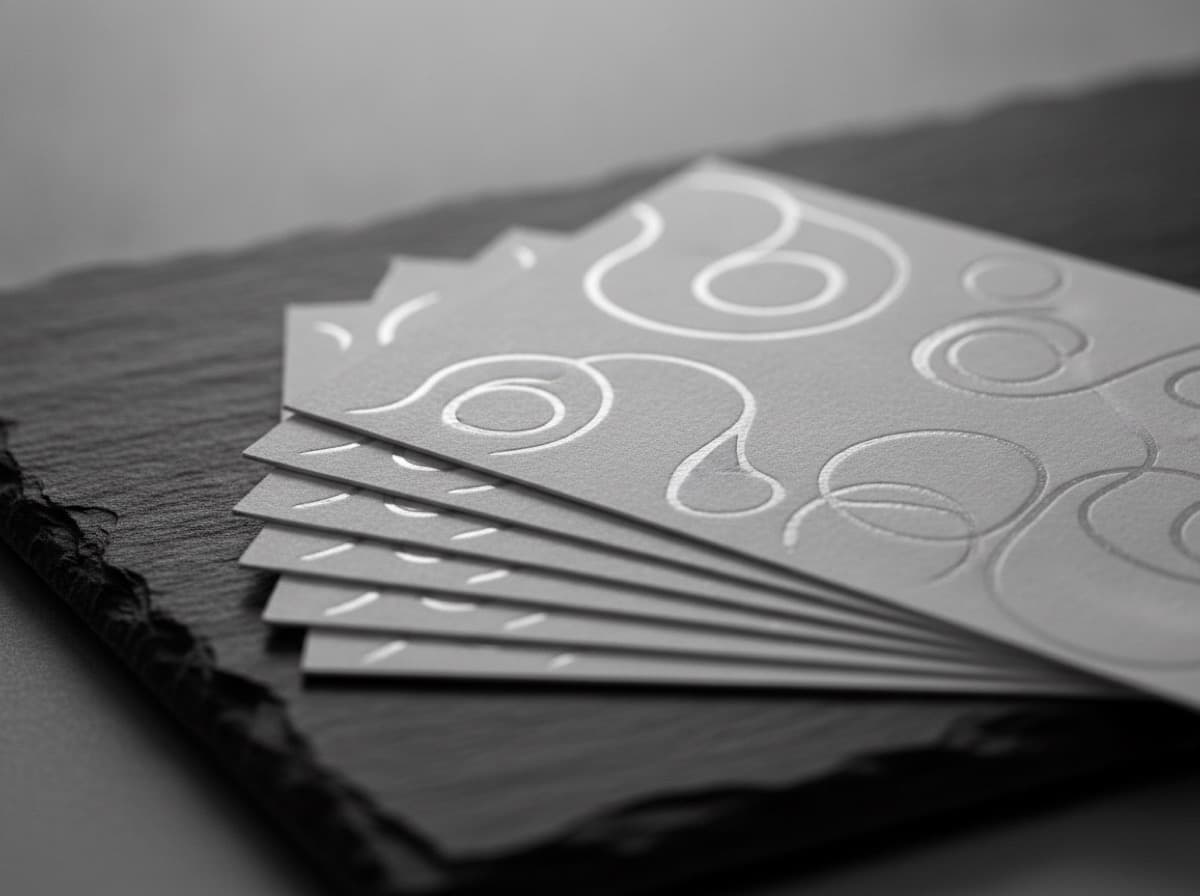
Spot UV Business Cards: How to Design Stunning High-Gloss Contrast Finishes
Spot UV coating selectively applies a high-gloss varnish to specific card elements, creating a dramatic contrast between matte and glossy surfaces. This guide covers spot UV design principles, setup requirements, what works and what doesn't, and how to combine it with other finishes.
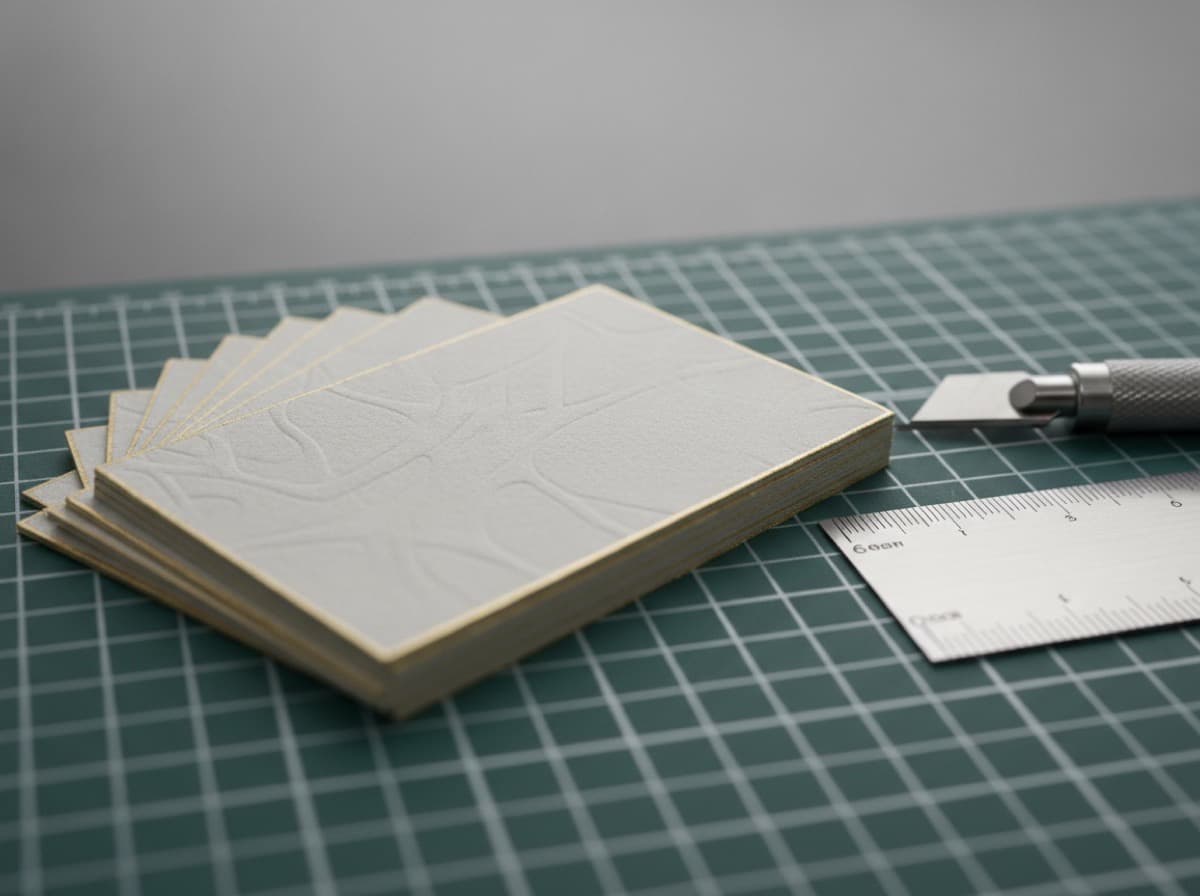
How to Prepare Your Business Card File for Printing: Bleed, Safe Zone, and Color Settings
Most design errors that cause problems at the printer — cut lines through text, color shifts, resolution issues — happen in the file preparation stage. Understanding bleed, safe zone, resolution, and color mode settings prevents costly reprints.
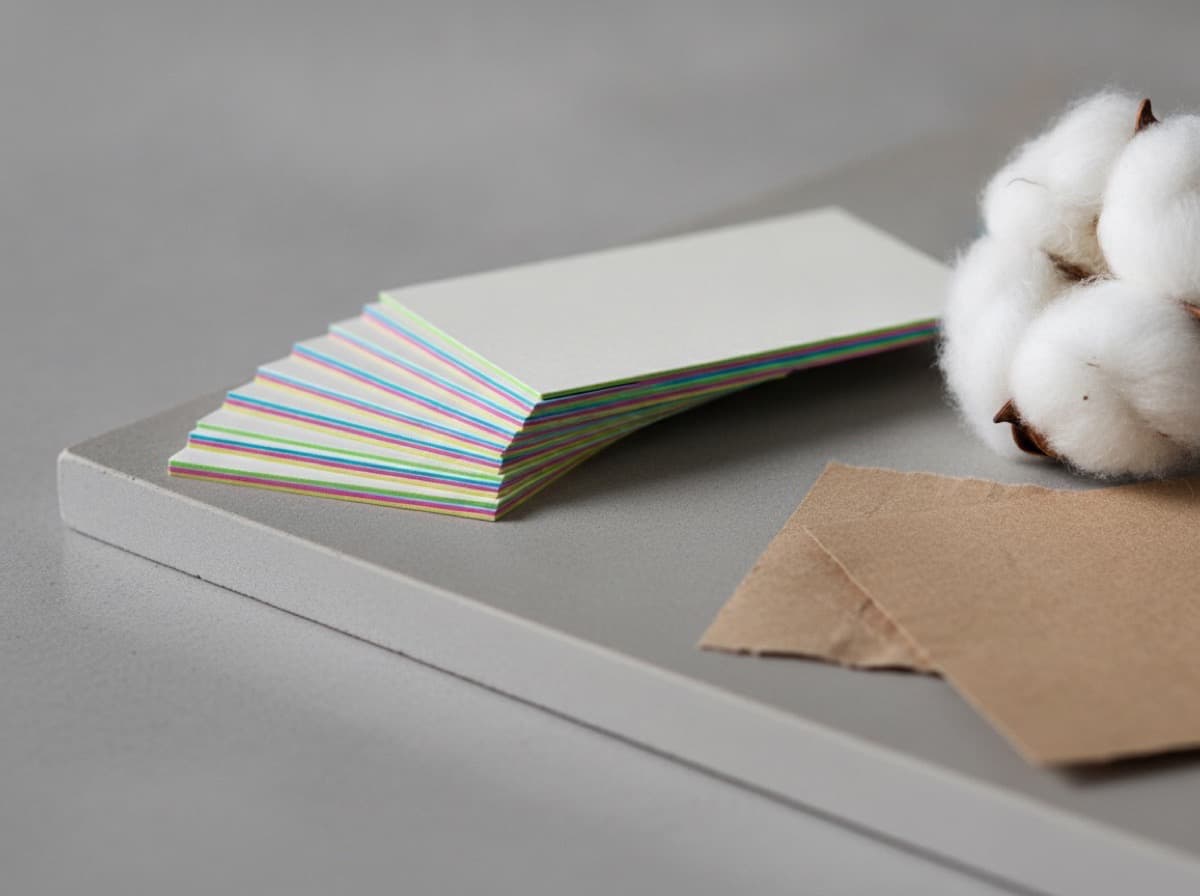
The Complete Guide to Business Card Paper Stock: Thickness, Finish, and Feel
The paper you choose for your business card communicates as much as the design on it. Understanding business card paper weight, coating options, and specialty stocks helps you make the right choice for your brand.
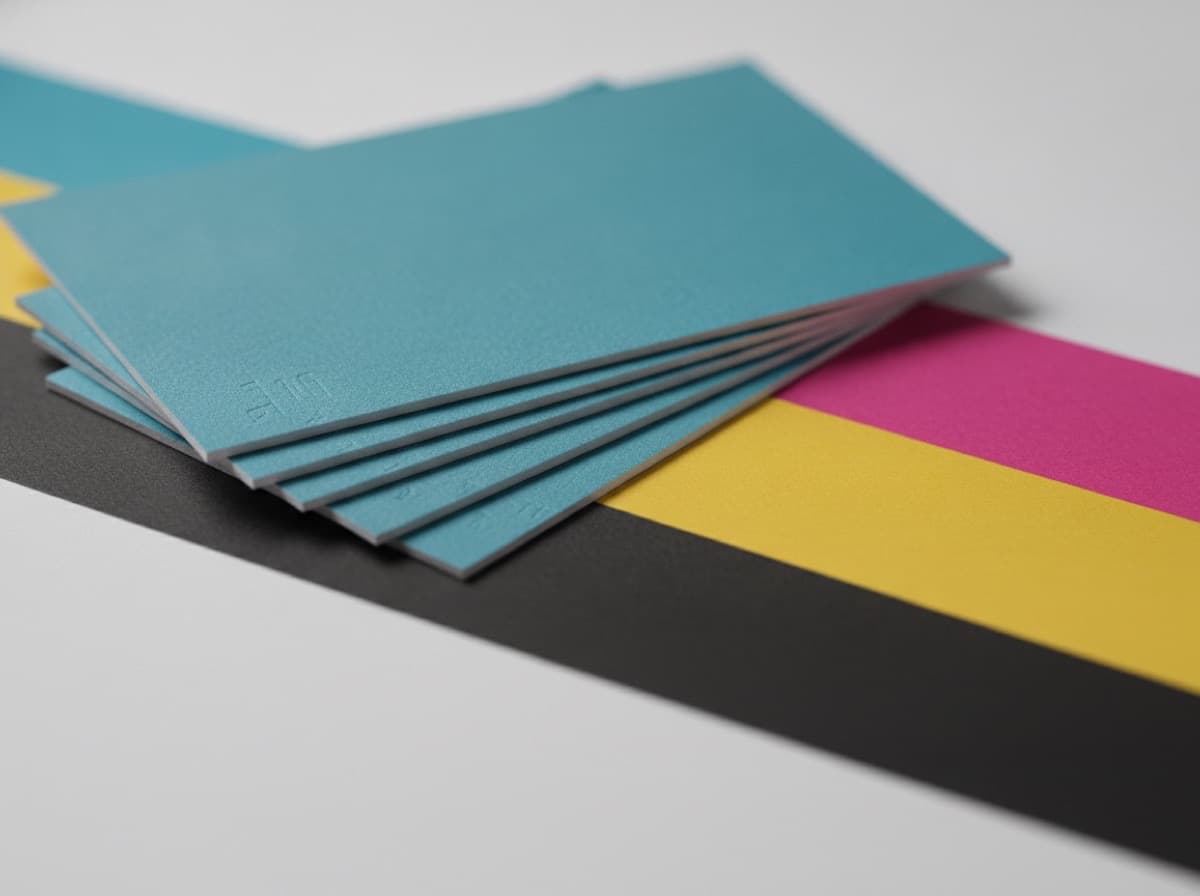
CMYK vs. RGB for Business Cards: Why Color Mode Matters for Print Quality
Business cards printed from RGB files produce inaccurate colors — especially in blues, reds, and rich backgrounds. Understanding CMYK is the single most important color step for professional print quality.
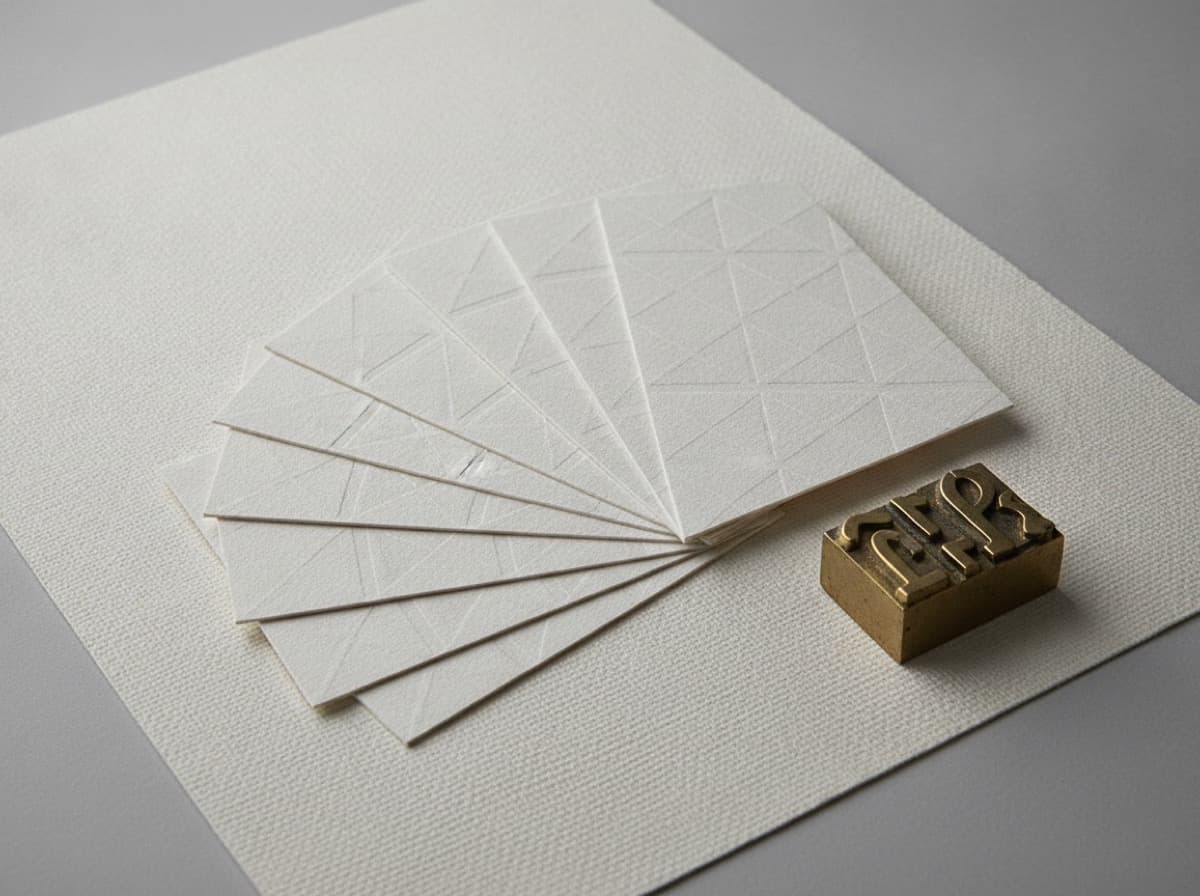
Letterpress Business Cards: The Premium Printing Process That Creates Unforgettable Cards
Letterpress is the oldest and most artisanal business card printing process — ink pressed directly into thick cotton paper creates a tactile depth that no digital printing can achieve. Here's when and how to use it.
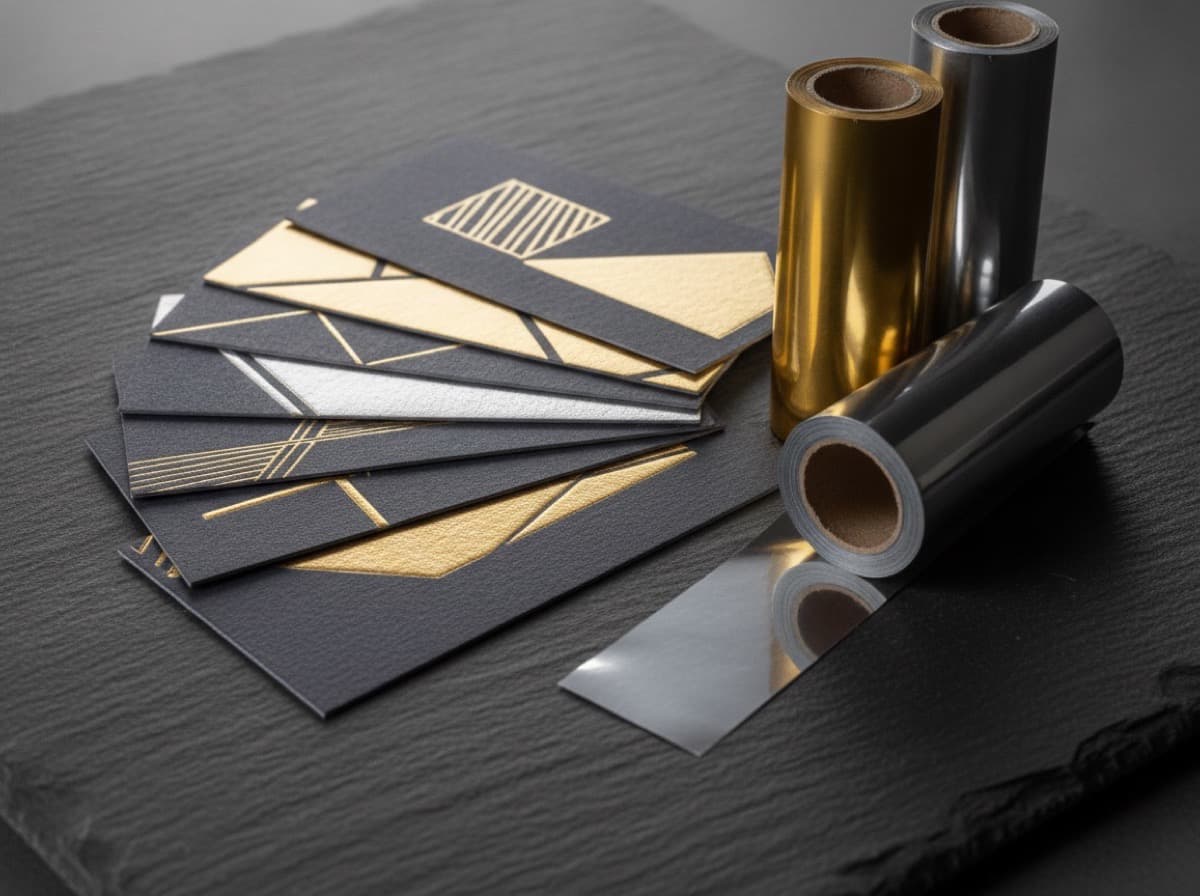
Foil Stamping Business Cards: Gold, Silver, and Holographic Foil Design Guide
Foil stamping adds a metallic or holographic finish to specific areas of your card — creating a premium effect that's difficult to replicate and impossible to overlook. Here's how to use foil effectively.
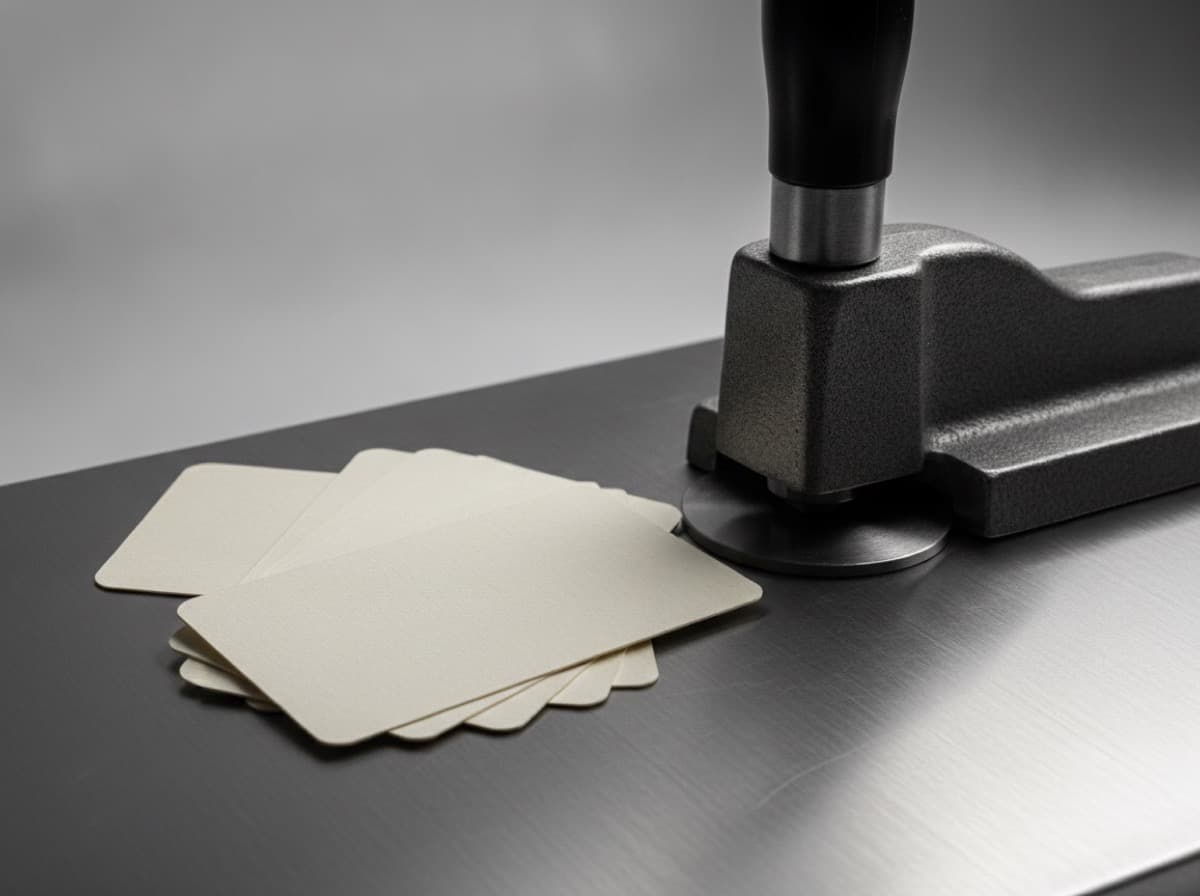
Round Corner Business Cards: Design Guide and When to Use Them
Round corners make business cards distinctly tactile and memorable. This guide covers when round corners improve your card, how much radius to choose, and how to design around them.
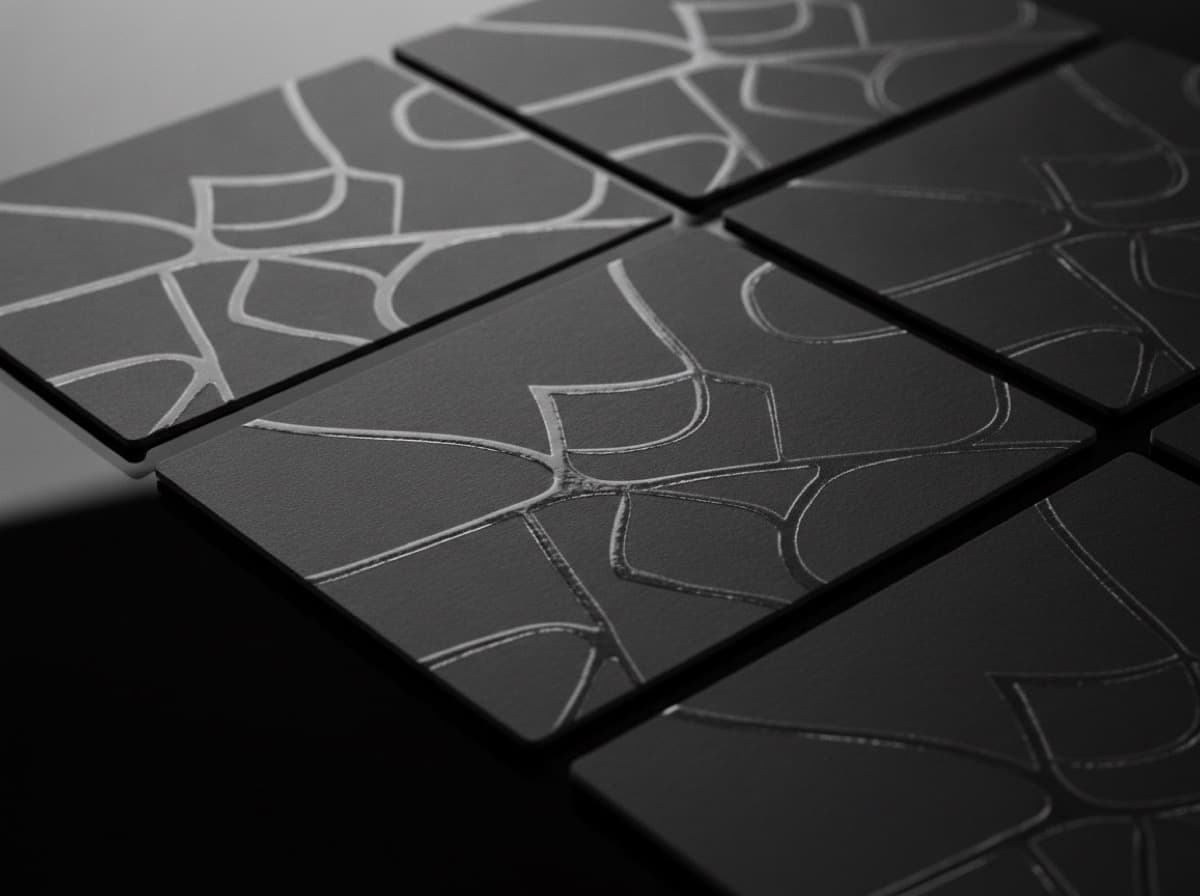
Spot UV Business Cards: What Spot UV Is and How to Design for It
Spot UV coating applies a high-gloss, raised finish to specific areas of your card — creating a tactile contrast with a matte background that's impossible to ignore. Here's how to use it effectively.
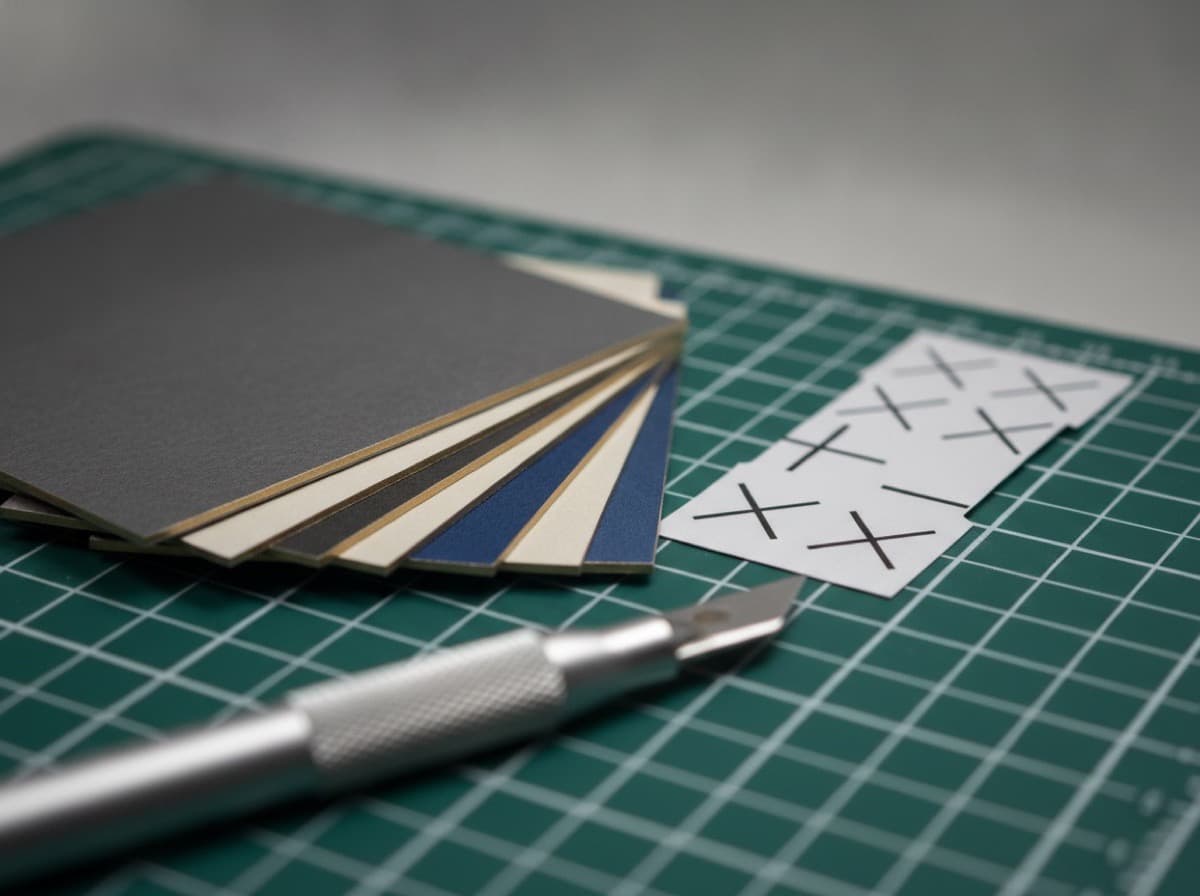
Full Bleed Business Cards: Design Guide for Edge-to-Edge Printing
Full bleed means your design extends to every edge of the card with no white border. It creates a bold, premium look — but requires specific file setup to avoid white edges in print.
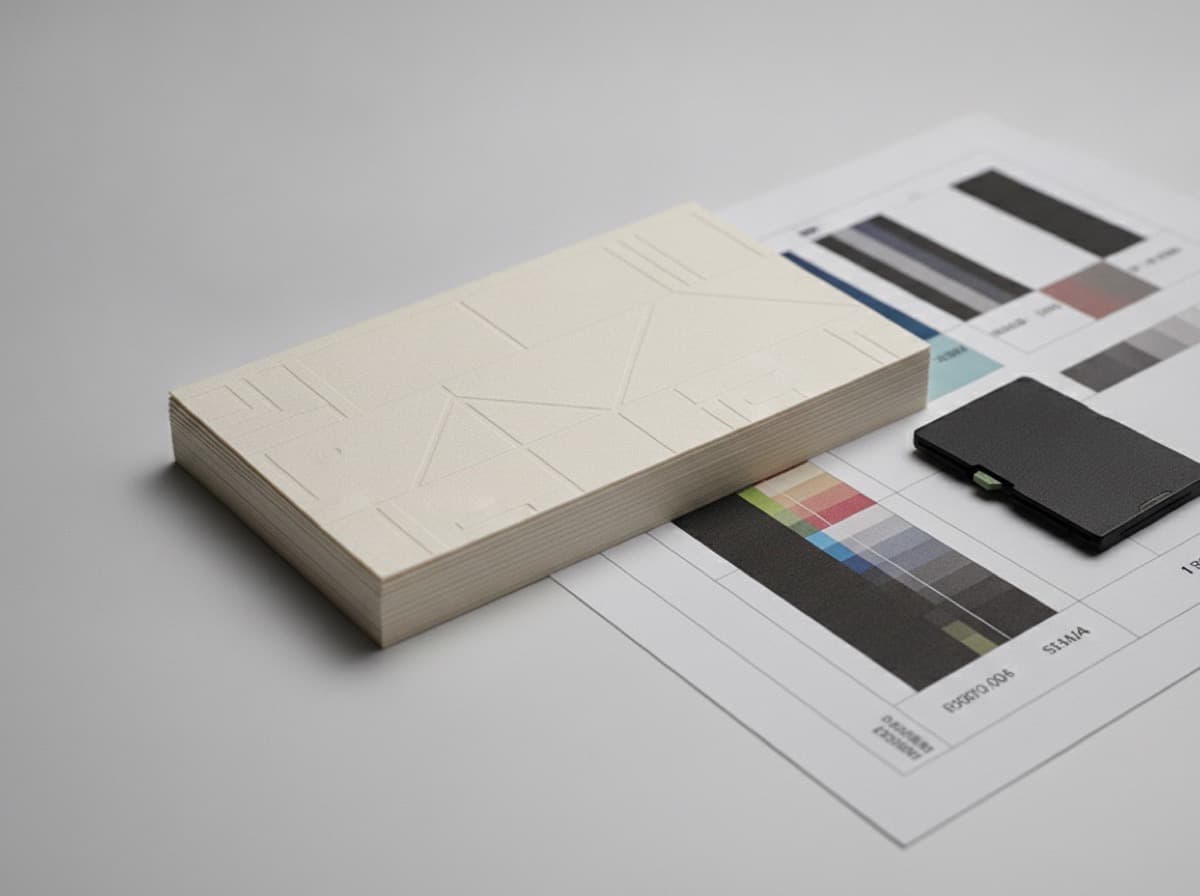
Business Card File Formats Guide: PDF, AI, PSD, and What Printers Actually Need
Submitting the wrong file format — or a technically correct file that's not print-ready — is the most common reason for print quality issues. Here's exactly what to submit.
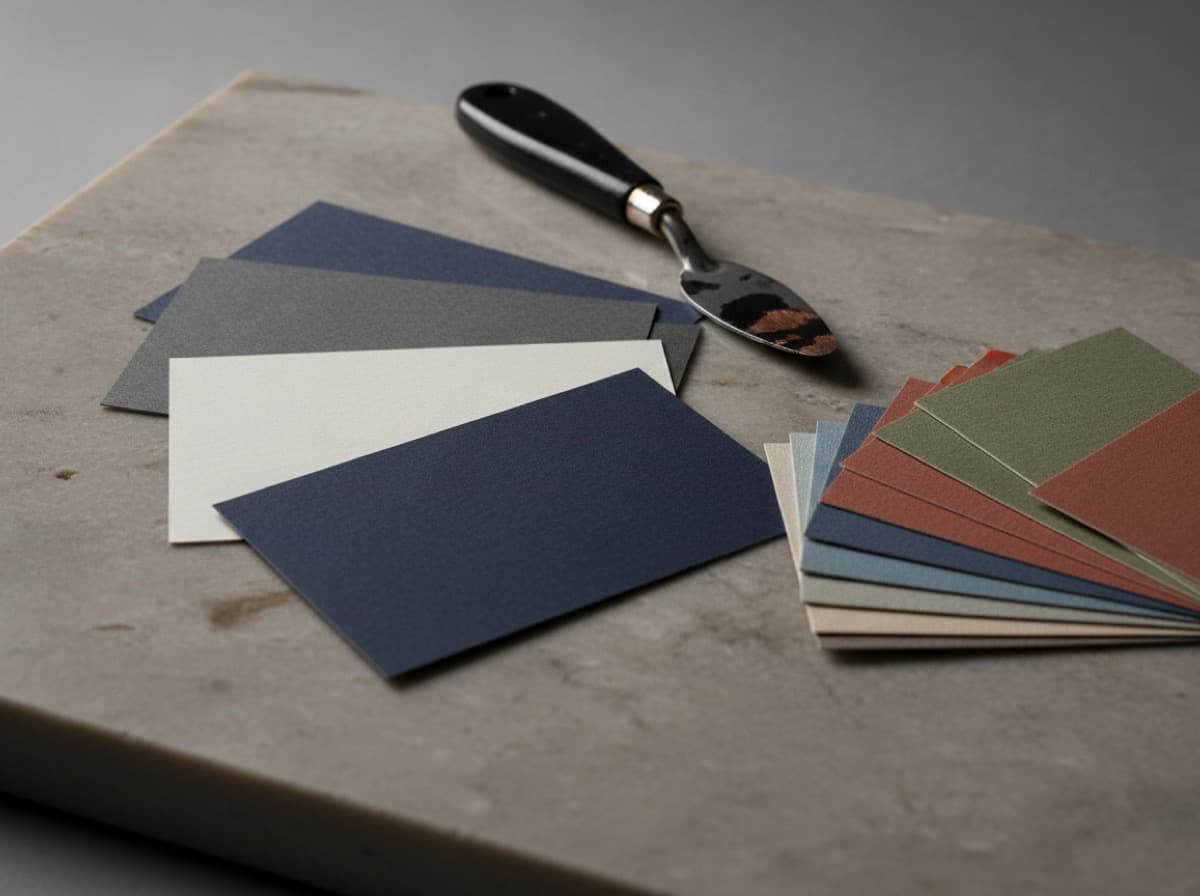
Pantone and Spot Color Printing for Business Cards: When to Use PMS Colors
Spot colors — Pantone PMS colors — give business cards color accuracy that CMYK printing can't match. Here's when spot colors make sense and how to specify them correctly.
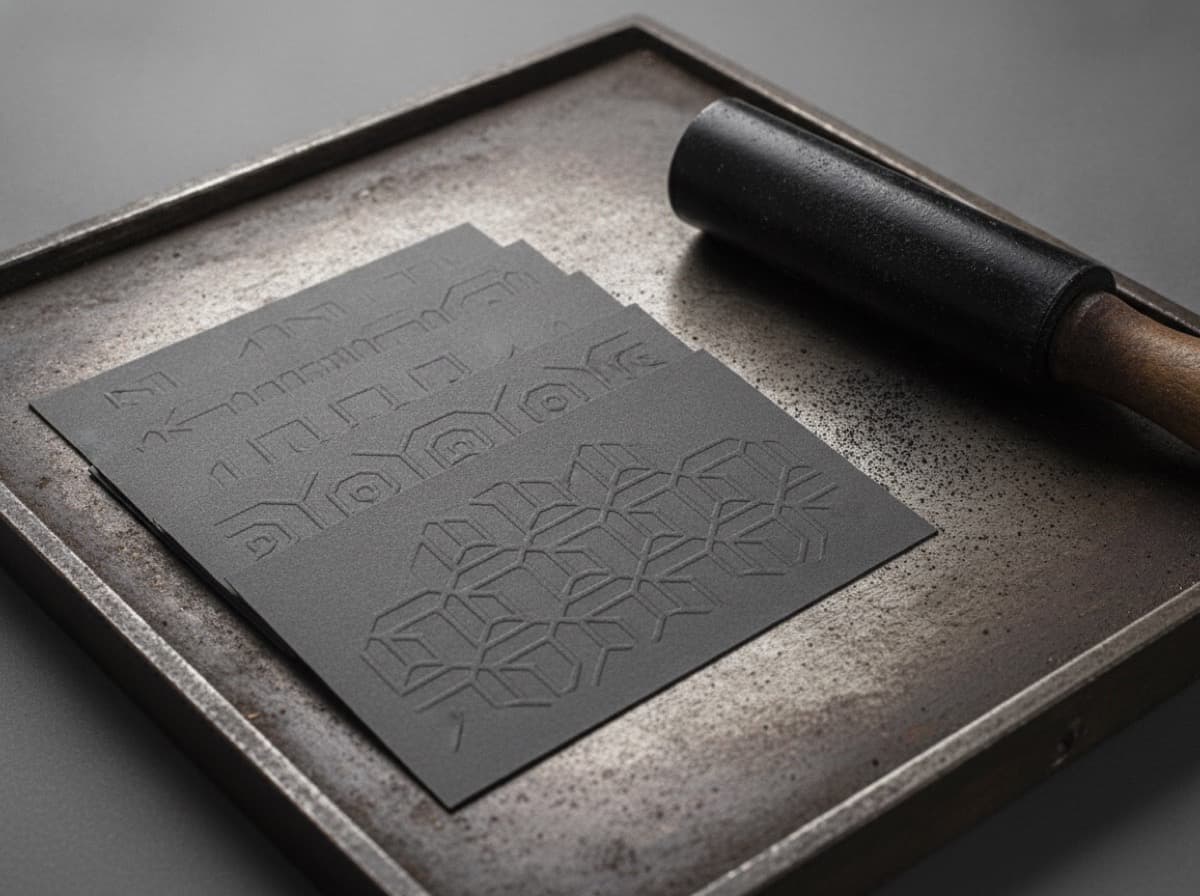
Letterpress Business Cards: How the Technique Works and When to Choose It
Letterpress is the oldest form of commercial printing — and one of the most desired for premium business cards. Here's what makes letterpress unique, how the process works, and when it's worth the premium.
Variable Data Printing for Business Cards: When to Personalize Every Card in Your Run
Variable data printing lets you customize each card in a print run with different names, titles, numbers, or images — without printing individual jobs. Here's when and how to use it.
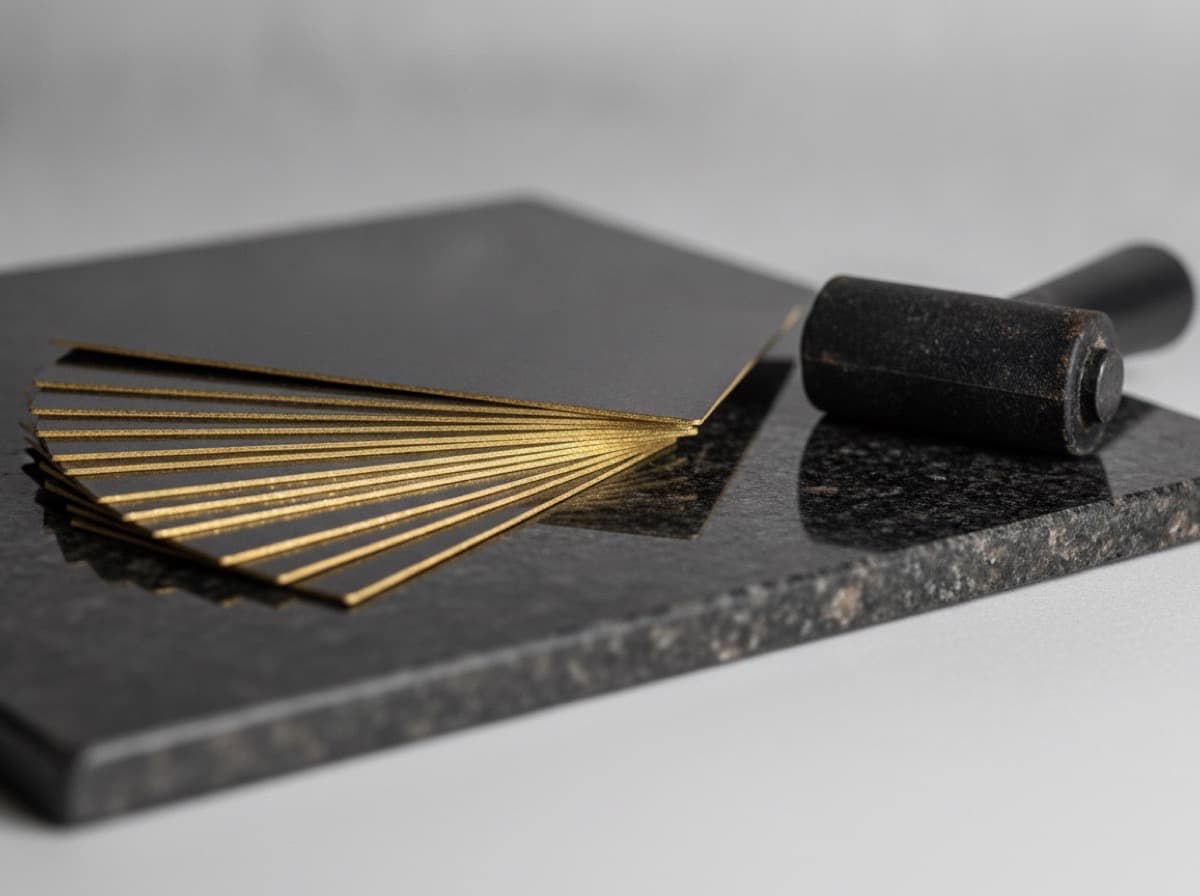
Embossing, Debossing, Edge Painting, and Foil: Advanced Finishing for Premium Cards
Advanced finishing techniques like embossing, edge painting, and foil take a business card from memorable to unforgettable. Here's what each technique does and when to use it.
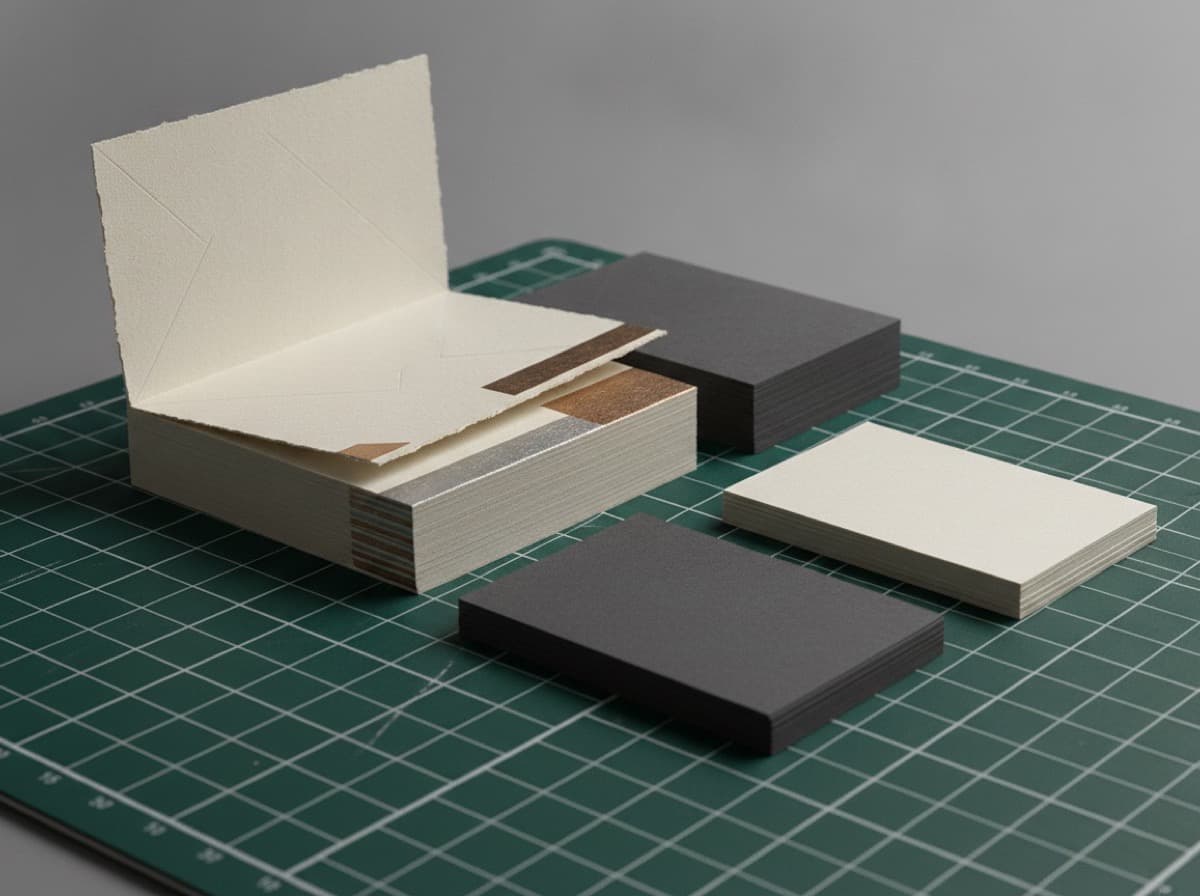
Business Card Sizes and Shapes: Standard, Square, Mini, and More
Standard US business cards are 3.5 × 2 inches — but that's far from your only option. Here's a complete guide to every card format with pros, cons, and who each fits.
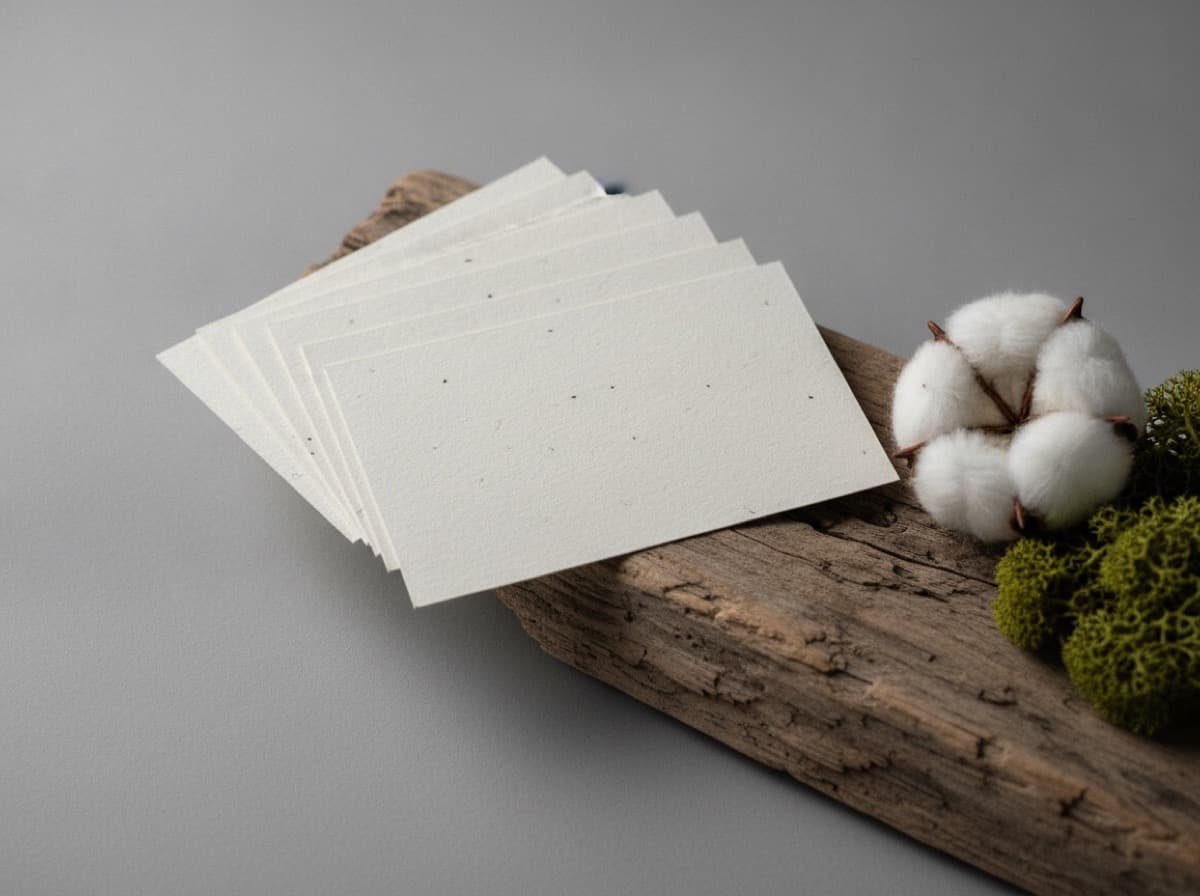
Eco-Friendly Business Cards: Recycled Paper, Soy Ink, and Sustainable Options
Sustainable business cards signal environmental values while maintaining professional quality. Here's a complete guide to recycled, FSC-certified, and other eco-friendly card options.
Digital vs. Offset Printing for Business Cards: Which Should You Choose?
Digital and offset printing produce different results at different price points. Here's a complete comparison to help you choose the right process for your business cards.
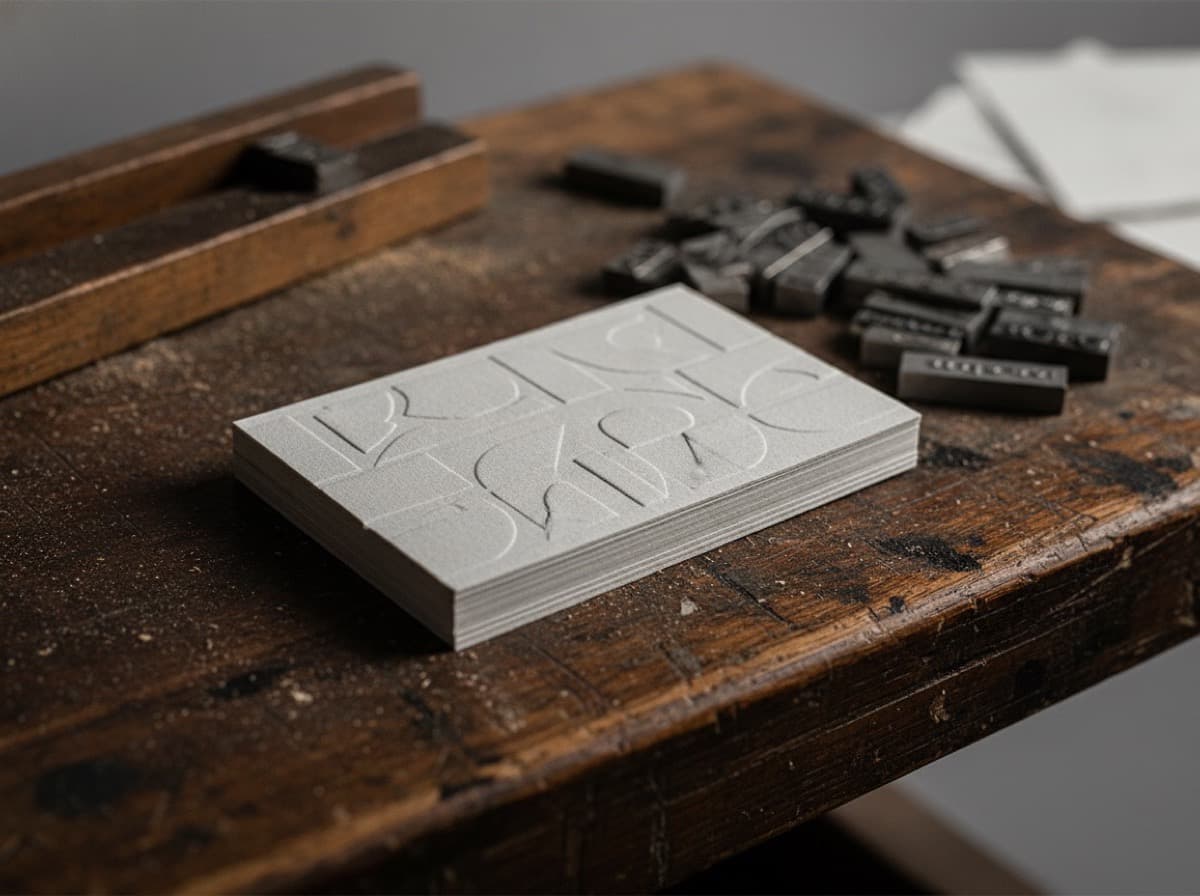
Letterpress Business Cards: What They Are and Why People Love Them
Letterpress printing creates cards with a distinctive tactile impression pressed into the paper. Here's what it is, who it's for, and what to expect when ordering.

QR Codes on Business Cards: How to Use Them Effectively
A QR code on a business card is only as good as where it leads. Learn how to design, place, and test QR codes that actually get scanned and convert.
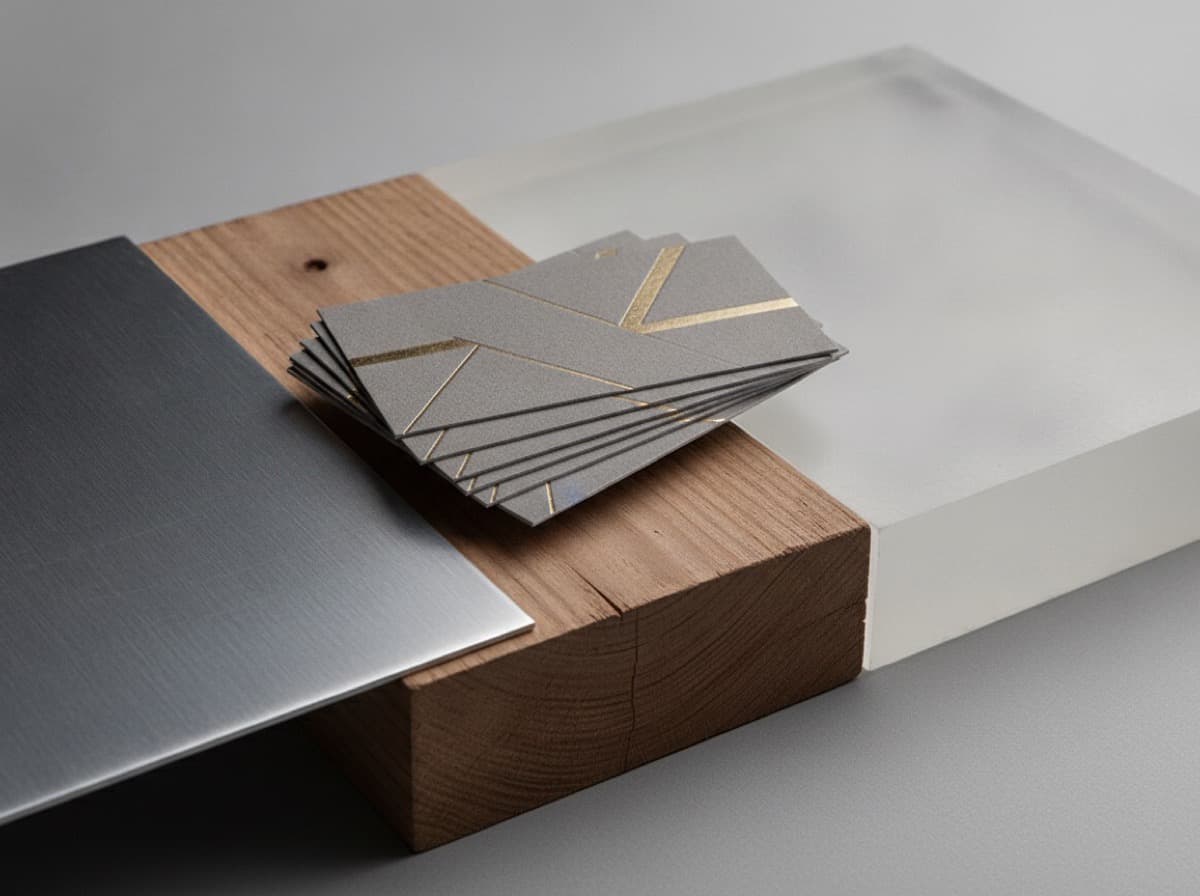
Beyond Paper: Plastic, Metal, and Wood Business Cards — When to Use Them
Plastic, metal, and wood business cards make an unforgettable impression — but they're not right for every business. Here's when specialty materials pay off and when they backfire.
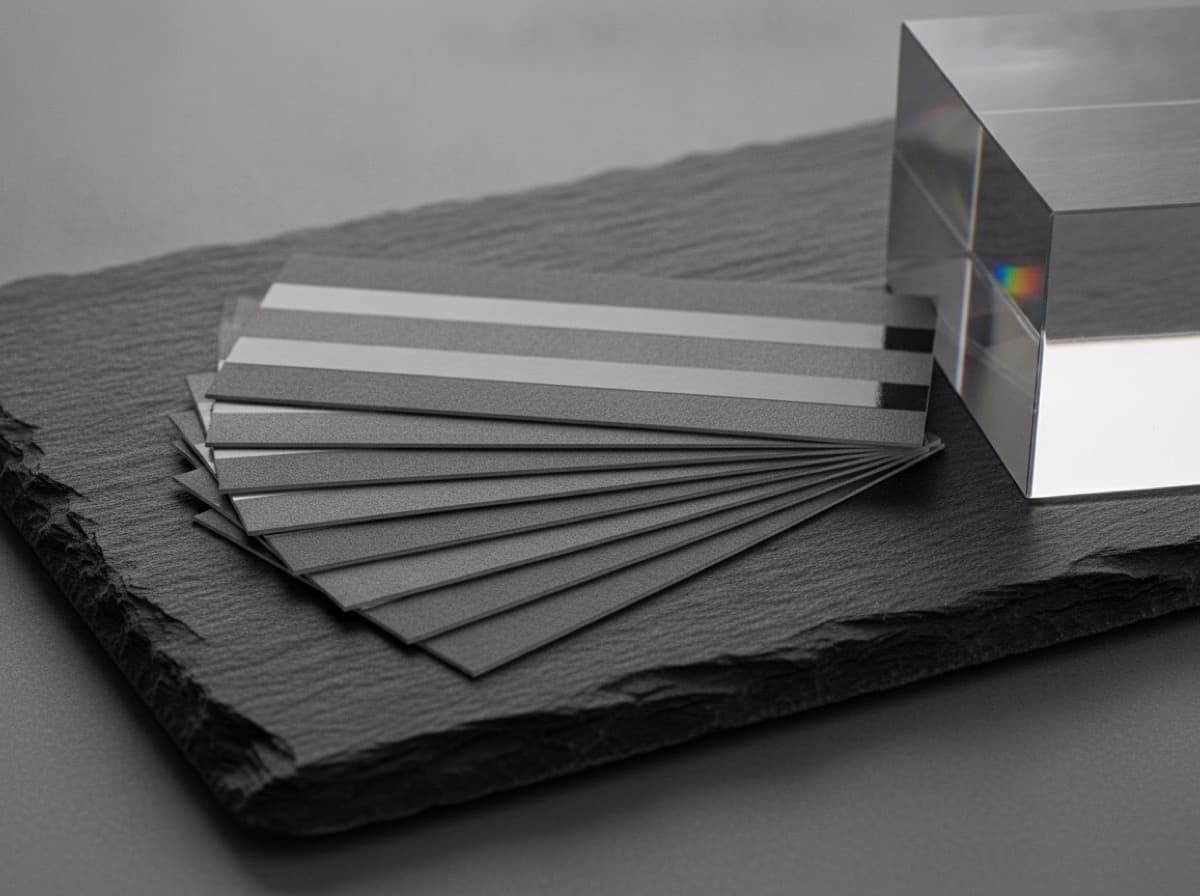
Business Card Coatings and Finishes: Gloss vs Matte vs Soft-Touch vs Spot UV
The finish on your business card changes everything about how it's perceived. This guide breaks down every common coating with real-world comparisons and recommendations.
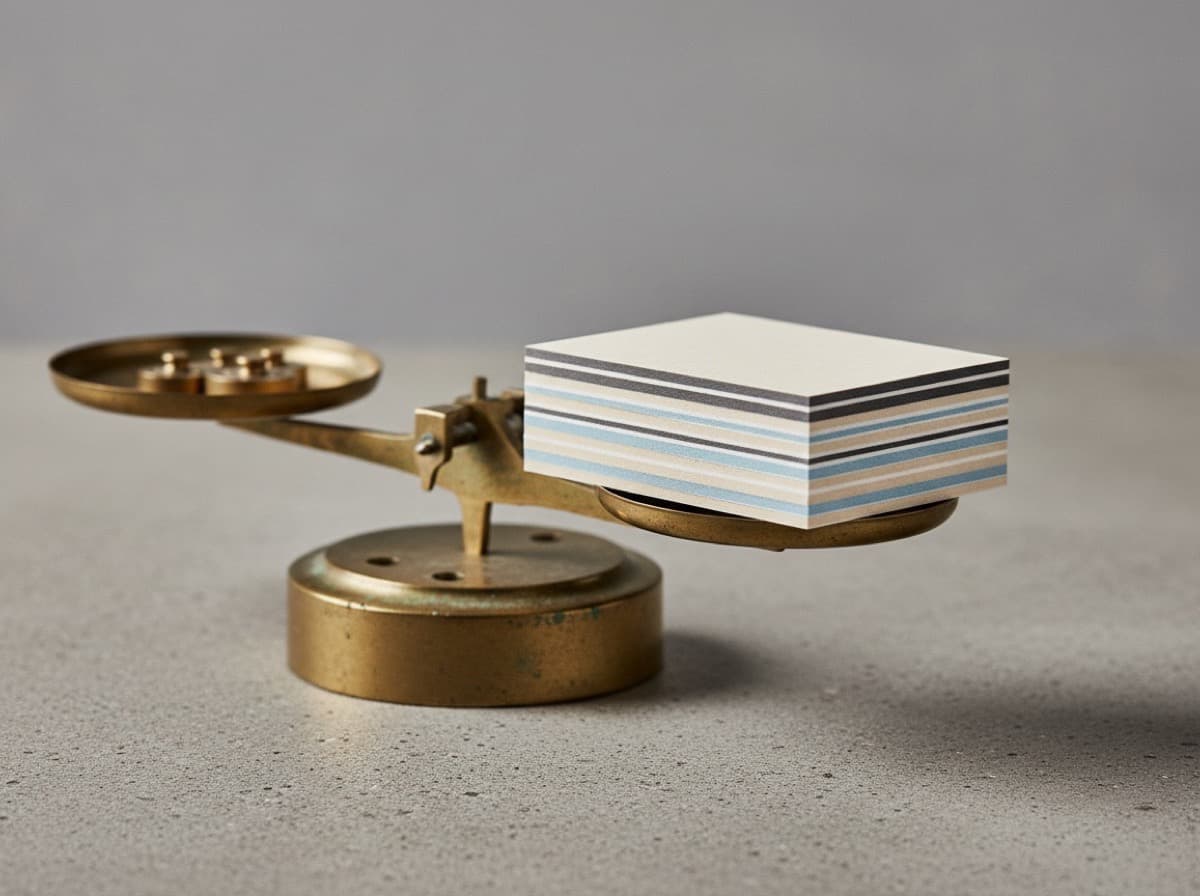
Business Card Paper Weight Guide: What the Numbers Actually Mean
14pt, 16pt, 32pt — what do paper weights mean for business cards, and which one is right for you? This guide breaks down every common thickness with real-world examples.
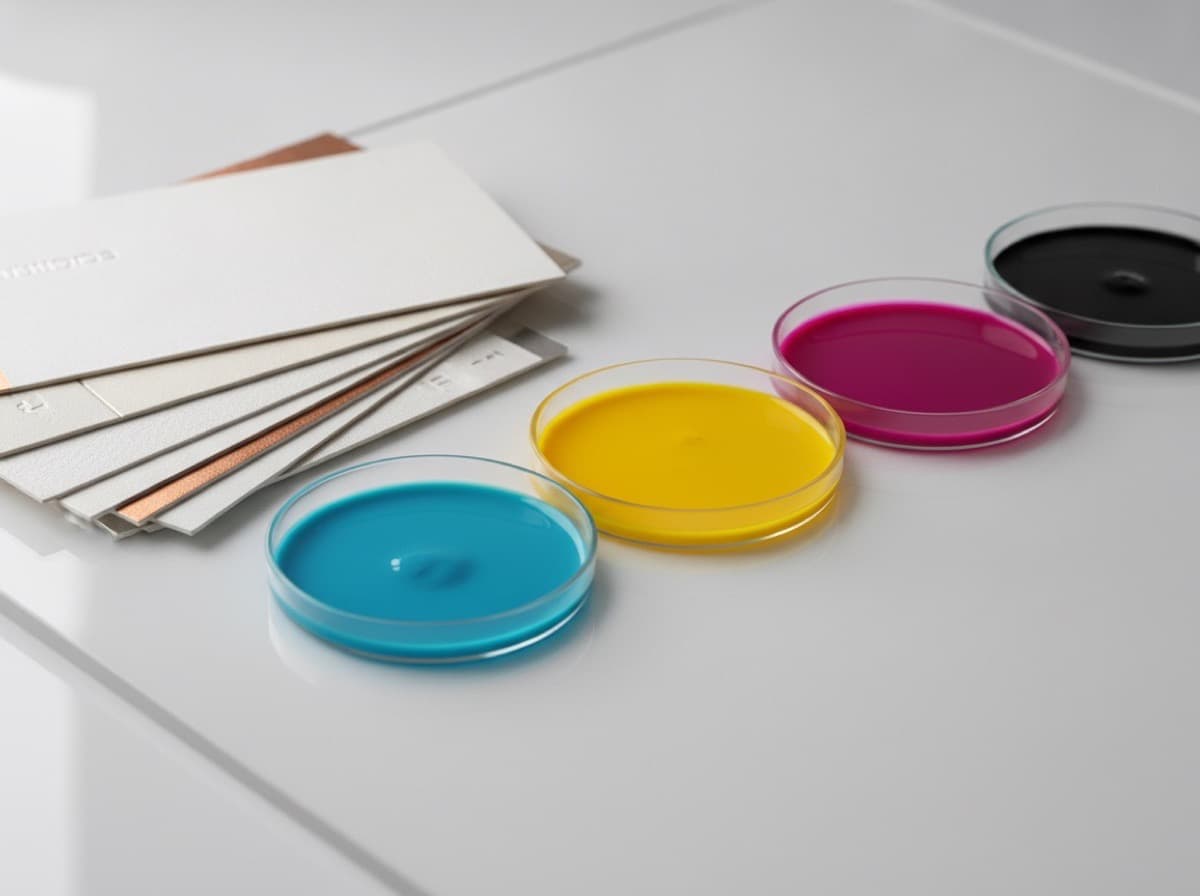
CMYK vs. RGB: Everything You Need to Know About Color Conversion for Print
The RGB colors on your monitor and the CMYK inks on a printing press cover different color ranges. Here is why colors can shift when you go to print — and how to protect your color choices before sending files.
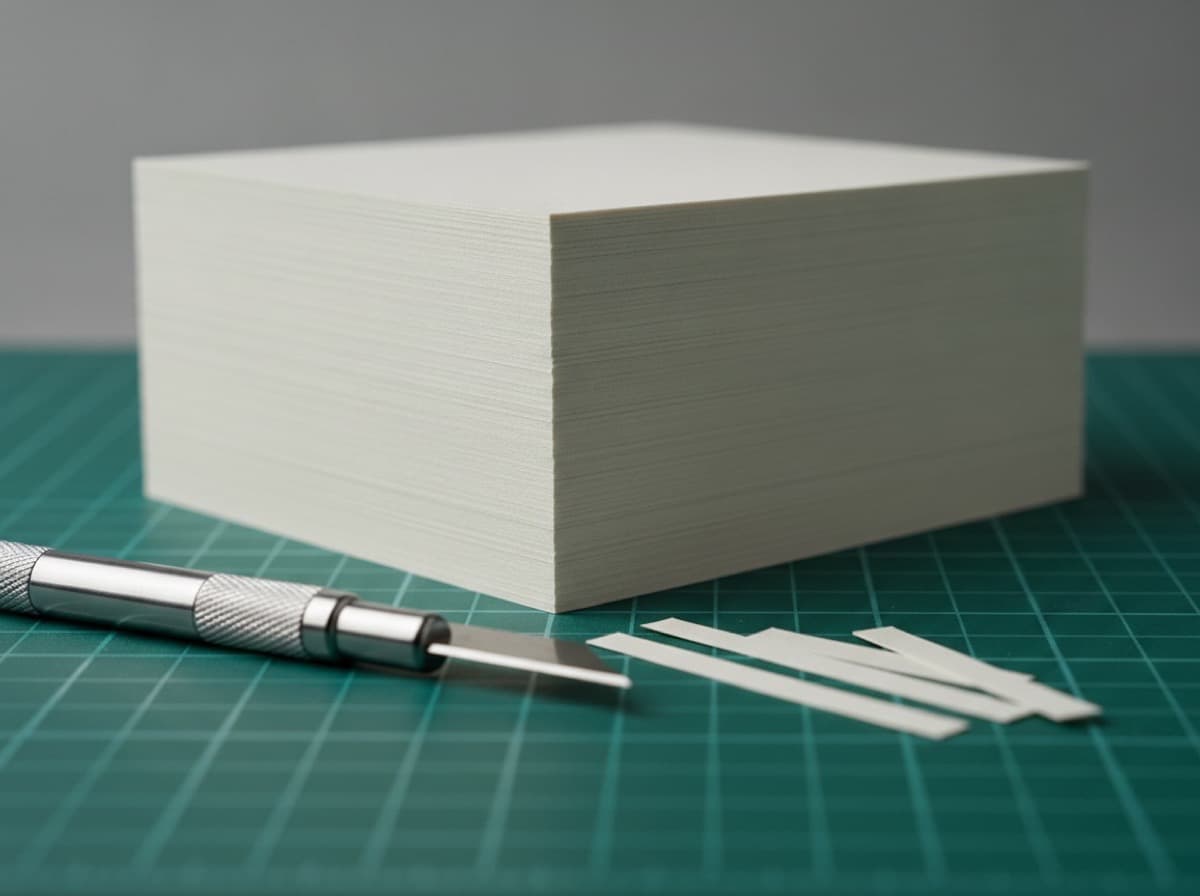
Print-Ready PDFs: Getting Bleed and Trim Marks Right
The most common cause of unwanted white borders after cutting is missing bleed. Here's how to set up 3 mm bleed, trim marks, and a safe zone to deliver a flawless print-ready PDF.

What 300 DPI Actually Means — and How to Prepare Images for Print
Why does everyone insist on 300 DPI? This guide demystifies the difference between DPI and PPI, shows you how to calculate the pixel count needed for any print size, and explains why an image that looks sharp on screen can print blurry.
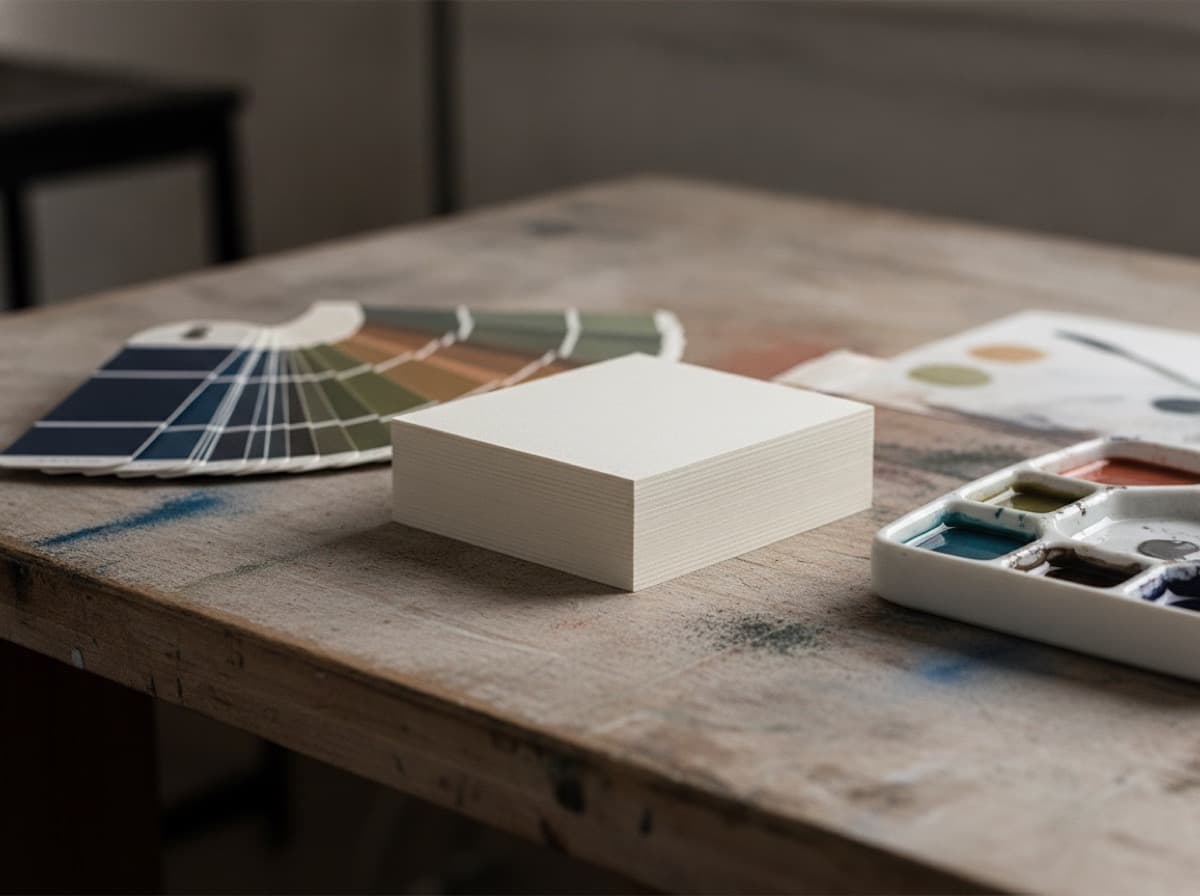
Spot Color (Pantone) vs. 4-Color CMYK: Which Should You Choose?
Use spot colors to keep brand colors consistent across every print run. Use CMYK for rich photographic imagery. Here's how both methods work, how the costs compare, and how to decide which is right for your project.
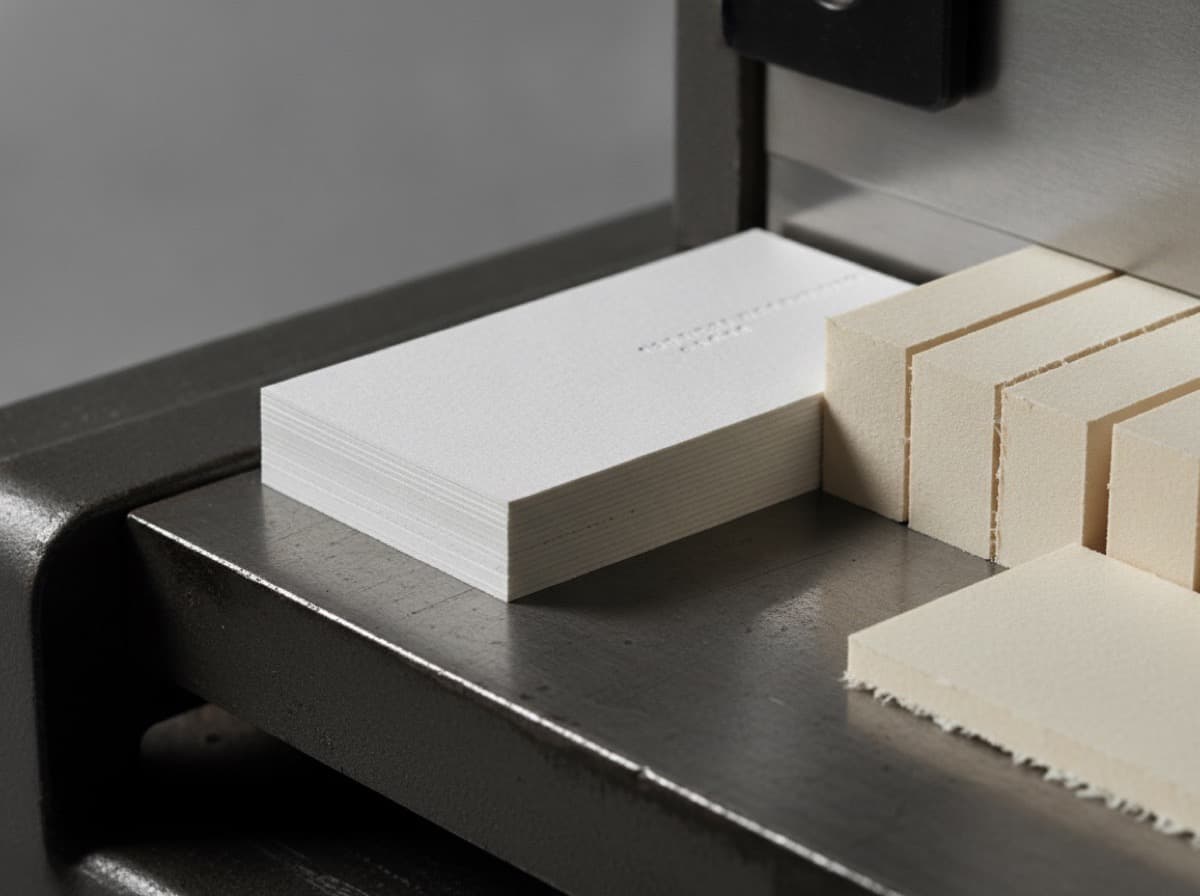
Offset vs. Digital Printing: Let Quantity Decide
Is digital always better for short runs and offset for large ones? We break down how each process works, where the cost crossover point falls, and how quality and turnaround differ — so you can make the smarter choice.
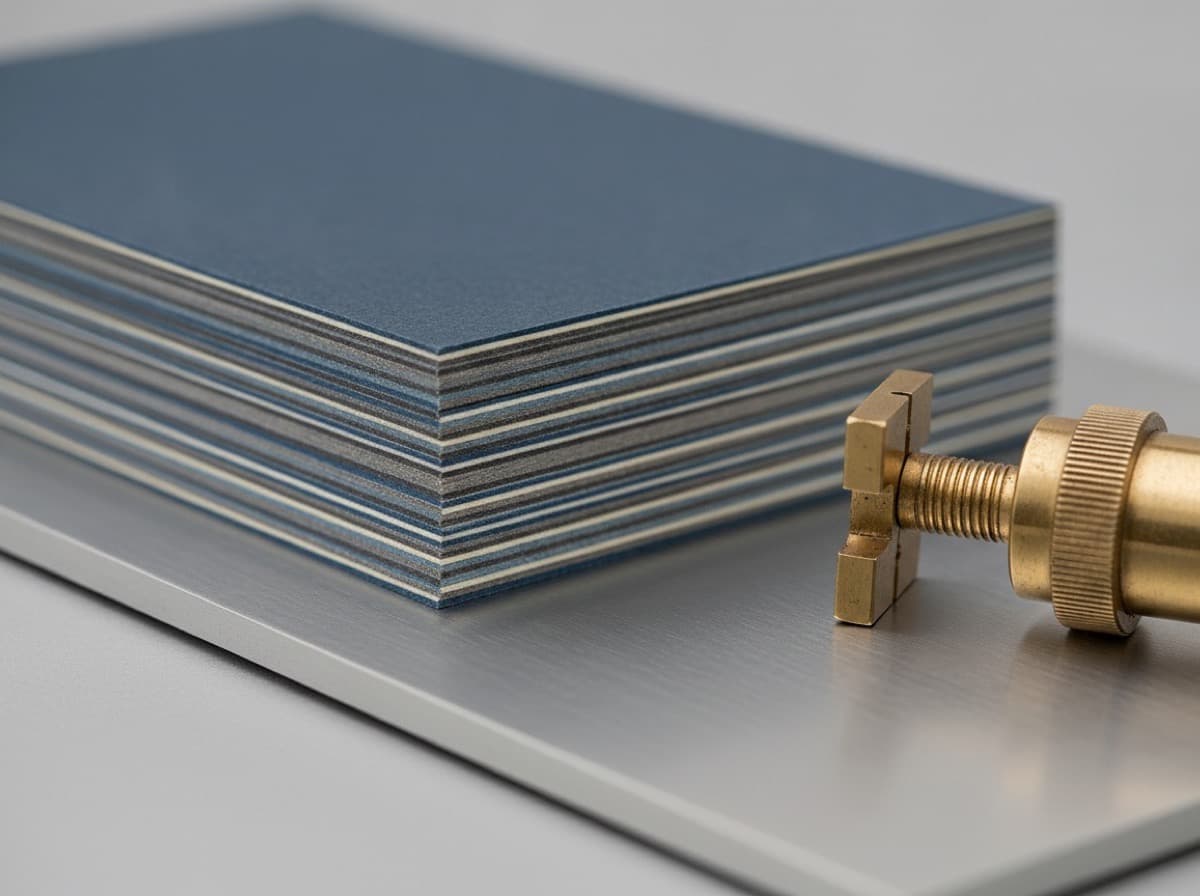
Paper Weight (GSM) vs. Thickness: Stop Confusing the Two
150 gsm, 250 gsm, 300 gsm — heavier always means thicker, right? Not exactly. Learn what g/m² actually measures and which paper weight is right for business cards, flyers, postcards, and more.