Paper Weight (GSM) vs. Thickness: Stop Confusing the Two
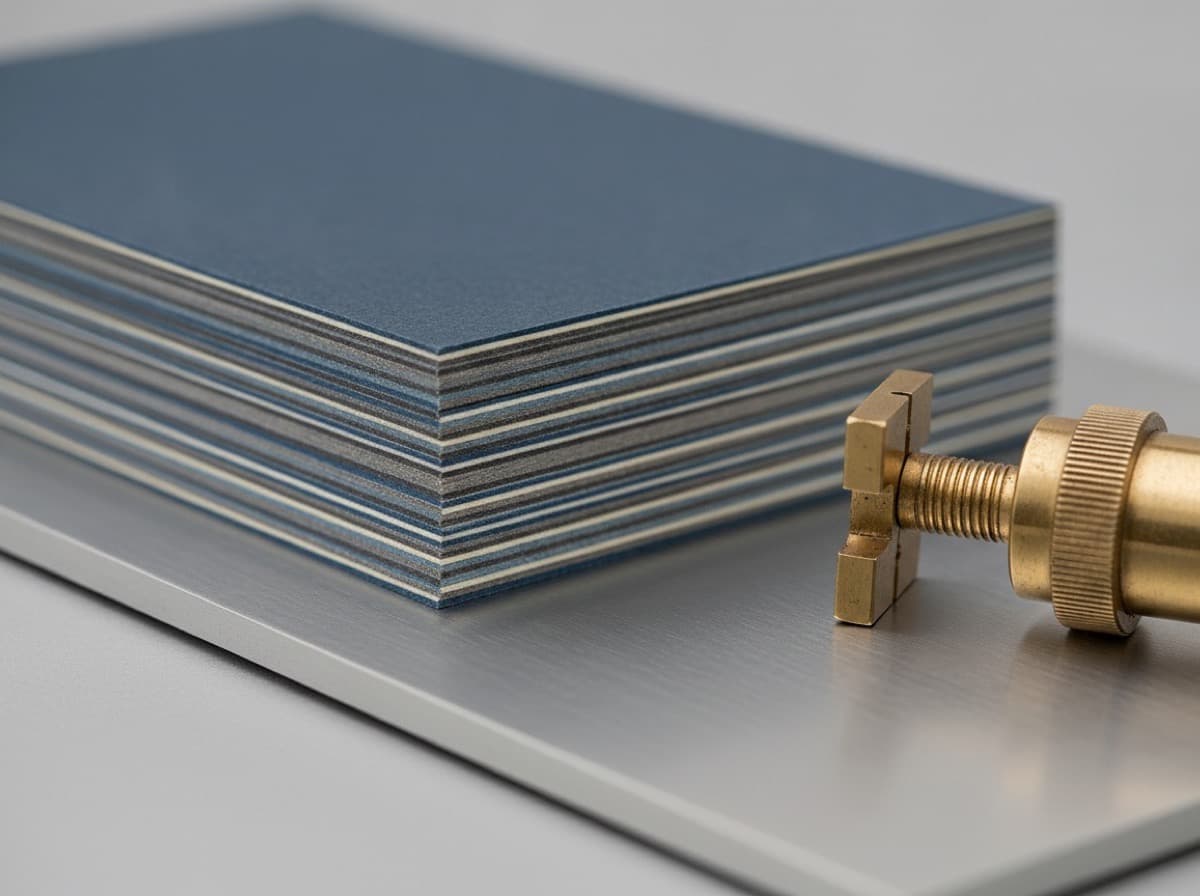
When you're choosing paper you'll see numbers like "150 gsm" or "250 gsm" everywhere. That number is the paper's basis weight — its mass per square meter. But here's what trips people up: two sheets with the same gsm rating can have noticeably different thicknesses. Let's clear that up.

What GSM Actually Measures
GSM stands for grams per square meter — how much one sheet measuring 1 m × 1 m weighs in grams. So 250 gsm paper means a 1 m² sheet weighs 250 g. It is a weight measurement, not a thickness measurement.
Generally, within the same paper family, a higher gsm means a stiffer, heavier sheet. Standard copy paper runs around 80 gsm, while business cards are typically 250–300 gsm.
Weight and Thickness Are Not the Same
This is the key takeaway. Thickness is measured in millimeters (mm) or micrometers (µm) and is determined by the paper's density and bulk — so the same gsm can yield very different thicknesses.
- High-bulk (uncoated) paper: Thicker and softer for the same weight (e.g., uncoated bond or offset stock)
- Coated paper: Thinner and firmer for the same weight (e.g., coated art stock, gloss/matte coated)
If your goal is a luxuriously thick feel, look beyond just the gsm number and consider the paper type as well.
Recommended Weight by Application
| Print Product | Recommended GSM | Notes | |---------------|-----------------|-------| | Copy paper | 80 gsm | Everyday documents | | Flyers (single sheet) | 100–150 gsm | Lightweight for distribution | | Booklet / catalog interior | 100–150 gsm | Easy to turn pages | | Booklet / catalog cover | 200–250 gsm | Provides protection | | Postcards / mailers | 200–250 gsm | Appropriate stiffness | | Business cards | 250–300 gsm | Standard | | Premium business cards | 350–400+ gsm | Substantial, high-end feel |
Practical Tips for Choosing Paper
- 250 gsm is perfectly fine for most business cards, but if you want that premium, weighty feel in hand, step up to 300–400 gsm.
- With double-sided printing, lighter paper can show bleed-through (show-through) where the reverse image is visible. Go one weight class heavier for two-sided jobs.
- For folded pieces, paper that's too heavy can crack along the fold line. Use score lines when folding stock over 200 gsm.
- Before finalizing your selection, always handle a physical paper sample. The feel in your hands tells you more than any number on a spec sheet.
Frequently Asked Questions
Q. Does a higher gsm always mean better paper? A. No — it means the right paper fits the right application. Printing flyers on 400 gsm stock just makes them heavy and expensive. Printing book interiors on 300 gsm makes the pages hard to turn.
Q. Two sheets are both rated 300 gsm but feel like different thicknesses — why? A. It comes down to density and bulk. High-bulk uncoated stock will be thicker and airier at the same gsm, while a coated art sheet will be thinner and denser.
Q. I'm printing double-sided business cards and worried about show-through. A. Step up to 300 gsm or higher, or choose a high-density stock known for low show-through. The more solid ink coverage you have on both sides, the more important it is to use heavier paper.
Get 10% off your first order
Join our list for practical printing guides, new finish ideas, and a welcome coupon for your first order.
No spam. Unsubscribe anytime.
Ready to put these tips into print?
Order Business CardsNot sure which option fits? Ask Pro Card Crafters